10 Times You Should Never Use Your Debit Card

A debit card is most worth avoiding when a merchant may place a large hold, delivery comes later, the card leaves your sight, or the terminal looks questionable. Debit cards still have federal protections, but debit card payments pull from a bank account. That means a legitimate hold or disputed withdrawal can reduce the money available for rent, groceries, and other bills while the bank investigates.
This list is ranked by the potential hit to your available bank balance, the strength of the alternative payment method, and how difficult a dispute could be. “Never” is a useful warning in the title, not a universal rule. A debit card can be perfectly sensible at a trusted terminal when you monitor the account, and a credit card only helps if you can pay the statement balance without carrying expensive debt. The guidance and linked policies were checked September 22, 2026.
1. When Setting Up Automatic Payments With an Unfamiliar Company
Automatic payments can prevent late fees, but they also give a company continuing permission to pull money from your checking account. The Consumer Financial Protection Bureau advises verifying the company, keeping the authorization terms, checking the amount and frequency, and watching the account. A low balance can turn one scheduled payment into overdraft or nonsufficient-funds fees.
Use instead: your bank's bill-pay service, if it lets you push a fixed payment, or a credit card that you review and pay in full each month. Automatic debit is reasonable for a stable, trusted biller when the date and amount are predictable. It is a poor fit for a free trial, a difficult-to-cancel subscription, or a company you have not yet tested. Our guide to avoiding wasteful recurring spending offers a broader subscription-audit routine.
2. When Buying a Big-Ticket Item That Will Be Delivered Later
A sofa, appliance, custom order, or expensive service creates two separate risks: the money leaves your account now, and the product may arrive late, damaged, or not at all. CFPB guidance says that a charge for goods you did not receive or accept can qualify as a credit-card billing error. To preserve federal billing-error rights, the written notice generally must reach the issuer within 60 days after the charge appeared on the statement.
Use instead: a credit card with enough room for the purchase, then pay the balance on time. This is not a promise that every dispute will succeed, and card benefits such as extended warranty or purchase protection depend on the specific agreement. Start with the seller, save the order, delivery promise, messages, and photos, and use the issuer's formal dispute route when necessary. Credit is not free money: interest can cost more than any protection if you carry the balance.
3. When Purchasing Airline Tickets or Other Prepaid Travel

A plane ticket may be paid for months before the flight. If the airline cancels or significantly changes the trip and you reject alternatives, the U.S. Department of Transportation says a refund is due within seven business days for a credit-card purchase and within 20 calendar days for another form of payment. DOT's Fly Rights guidance also notes that paying by credit card provides legal rights to pursue a credit when promised services are not delivered.
Use instead: a credit card you can pay off when the statement arrives, especially for a large itinerary or a trip booked far ahead. This does not make every nonrefundable ticket refundable; the fare rules and the reason the trip did not happen still matter. Save the confirmation, schedule, cancellation message, and refund request. The old article's WOW Air example is historical, not a reason to claim every debit purchase is unrecoverable.
4. When Renting a Car With a Deposit
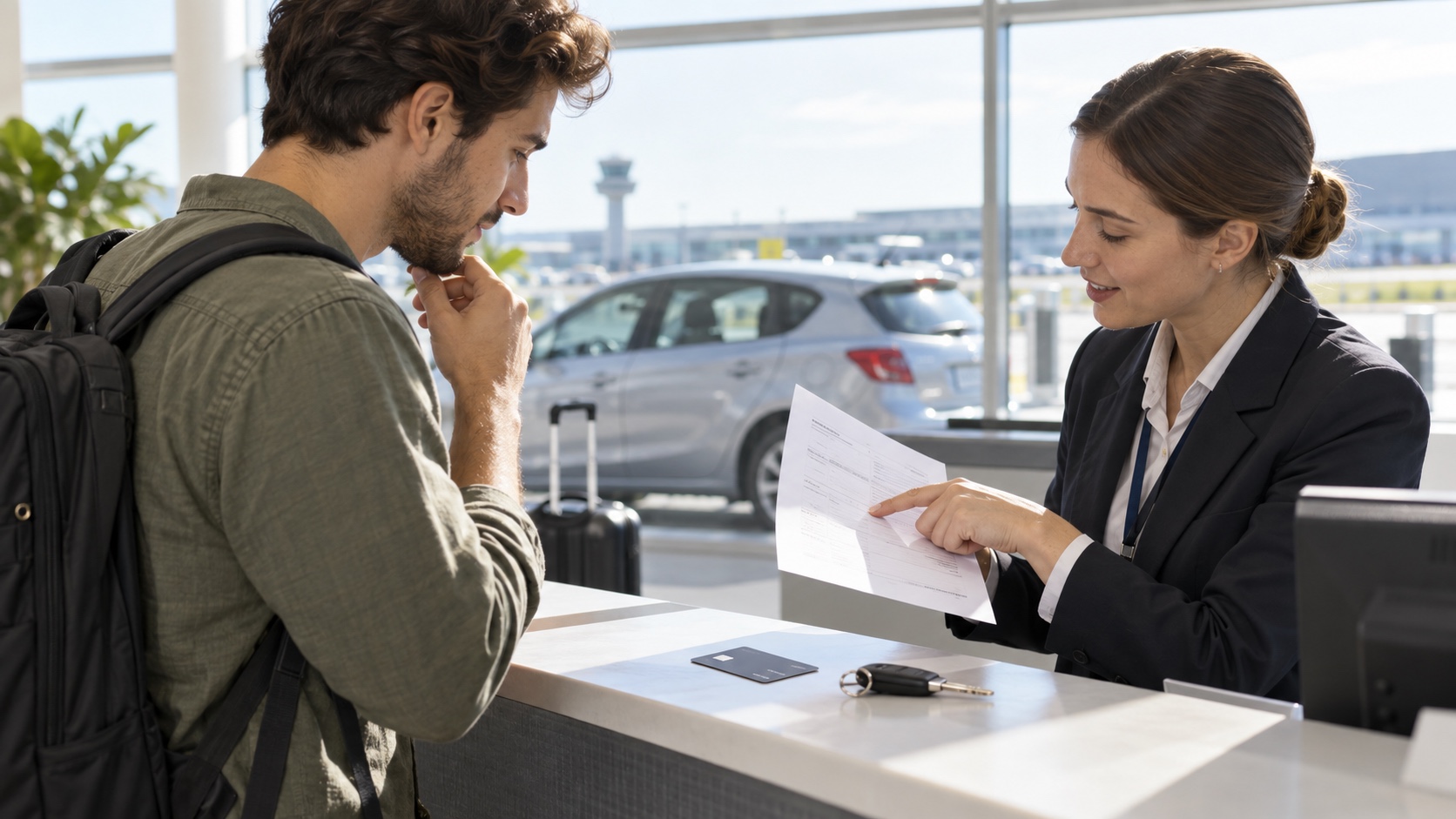
Rental companies often authorize more than the base price to cover a deposit. With a debit card, that money is unavailable in your bank account until the hold is released and the bank finishes processing it. Rules can be stricter, too. Enterprise's current U.S. policy, for example, says airport debit-card rentals generally require a ticketed return itinerary, while non-airport requirements can vary by branch; it also warns that funds are reduced and the renter is responsible for resulting overdraft fees.
Use instead: a credit card with enough available credit for both the rental and deposit. Before pickup, ask the exact location about accepted cards, hold amount, identification, proof of travel, additional drivers, and release timing. A debit card may still work, but “reservation confirmed” does not prove the counter will accept it under your circumstances.
5. When Paying for Gas at the Pump—If the Card Reader Looks Altered
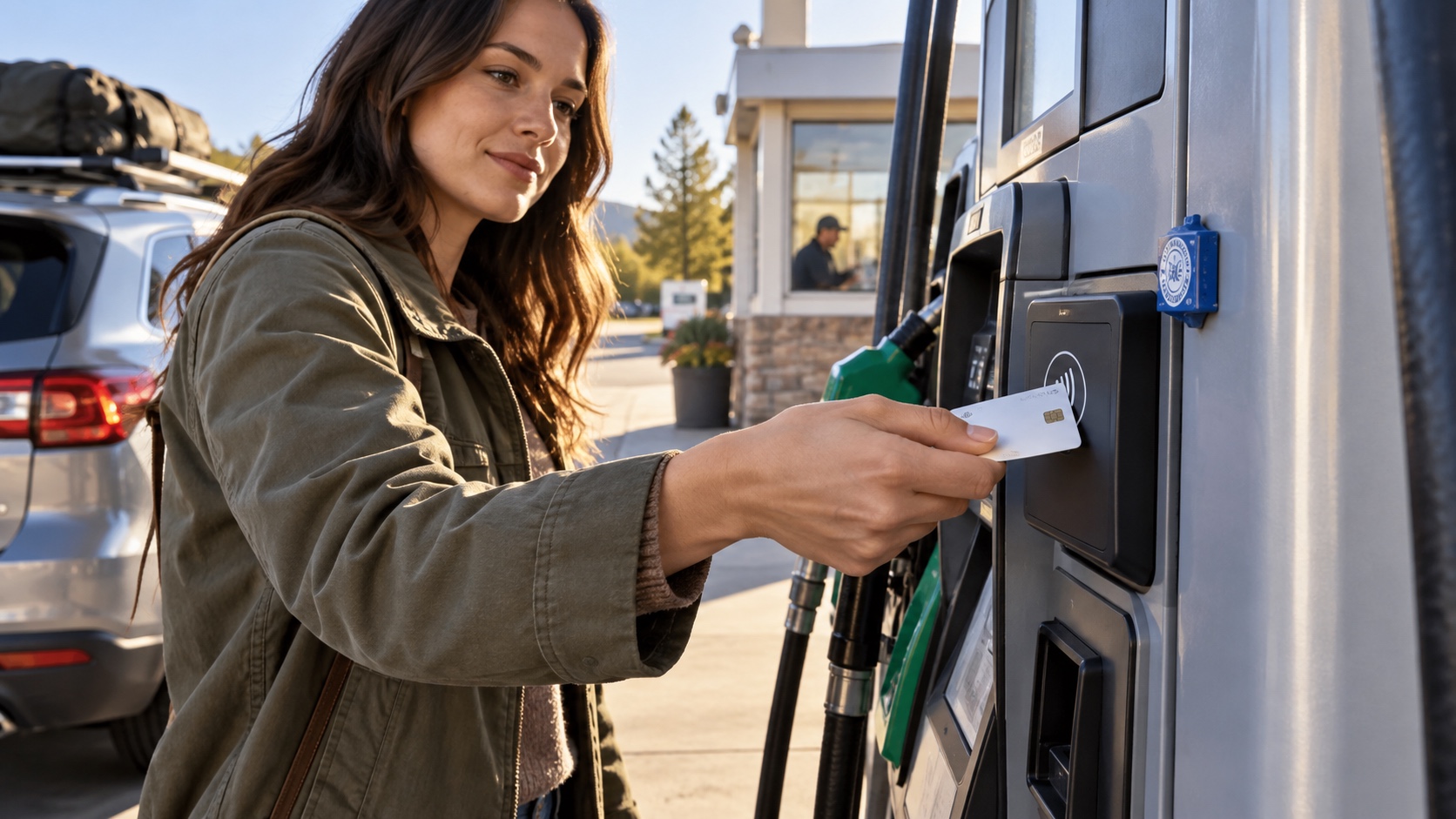
Fuel pumps combine an unattended terminal with the possibility of an authorization hold. The Federal Trade Commission warns that illegal readers can capture magnetic-stripe data. The FBI recommends checking the reader and keypad, choosing a pump in view of the attendant, and using contactless payment when the terminal and card allow it.
Use instead: tap a credit card, pay inside, or use cash where accepted. If debit is the only practical choice, selecting “credit” can keep the PIN out of the transaction, but the purchase still draws from the linked bank account and may still involve a hold. Leave immediately and tell the attendant if the reader moves, the seal is broken, or the keypad looks different.
6. When Making ATM Withdrawals at a Suspicious or Standalone Machine
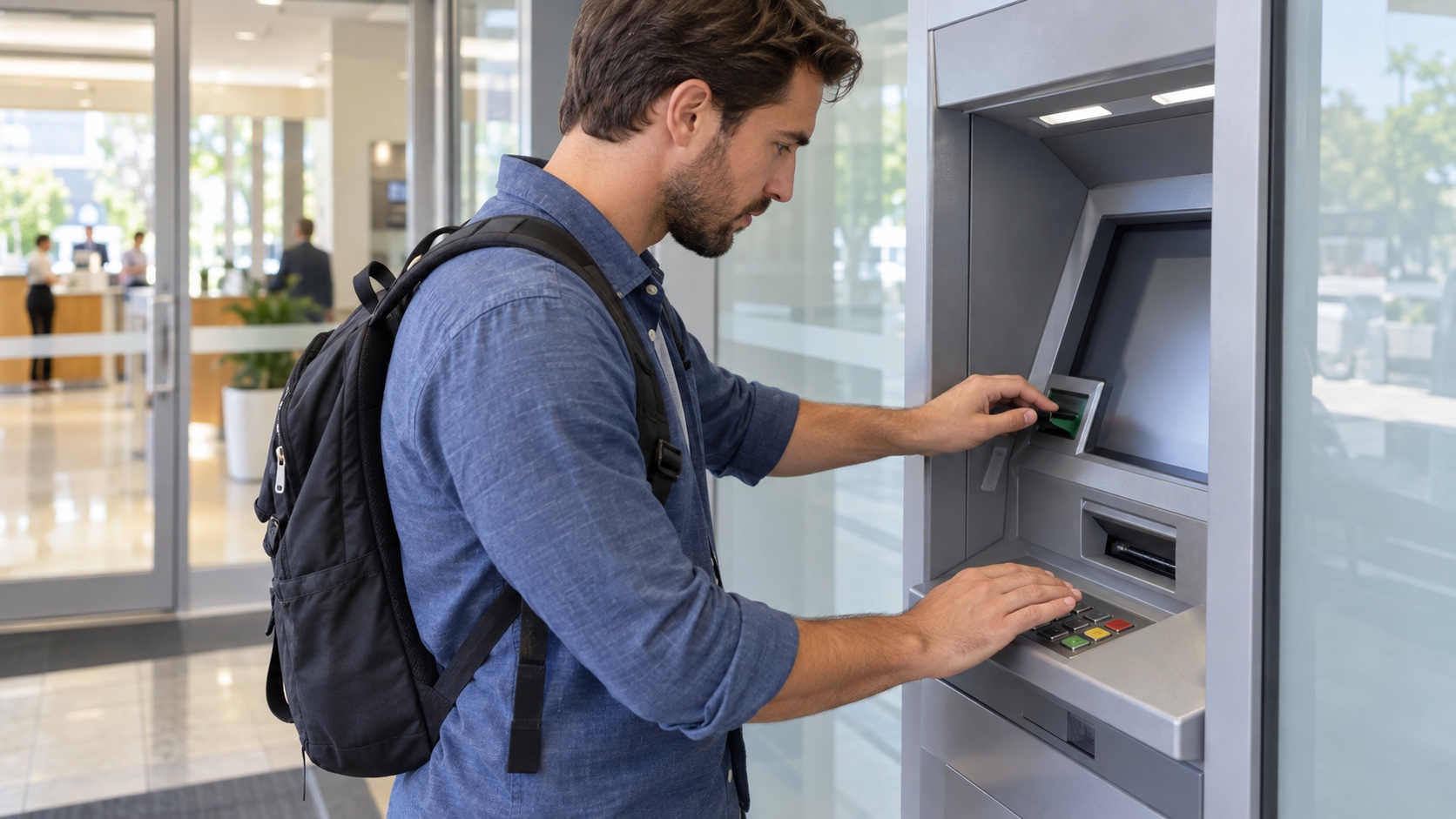
This is the clearest exception to the title: an ATM withdrawal is a normal debit-card use. The avoidable risk is using a poorly placed or visibly altered machine. The FBI says skimmers can sit inside or over ATM readers, while cameras or keypad overlays capture the PIN. It recommends indoor, well-lit locations, inspecting the reader, pulling at keypad edges, and covering the keypad.
Use instead: an ATM inside your bank or credit union when possible. Avoid a machine that is loose, damaged, unusually bulky, or fails to return the card. Turn on withdrawal alerts and report a swallowed card or unknown transaction immediately. A credit-card cash advance is usually not the safer substitute because it can carry fees and interest from day one.
7. When Traveling Abroad for Everyday Purchases
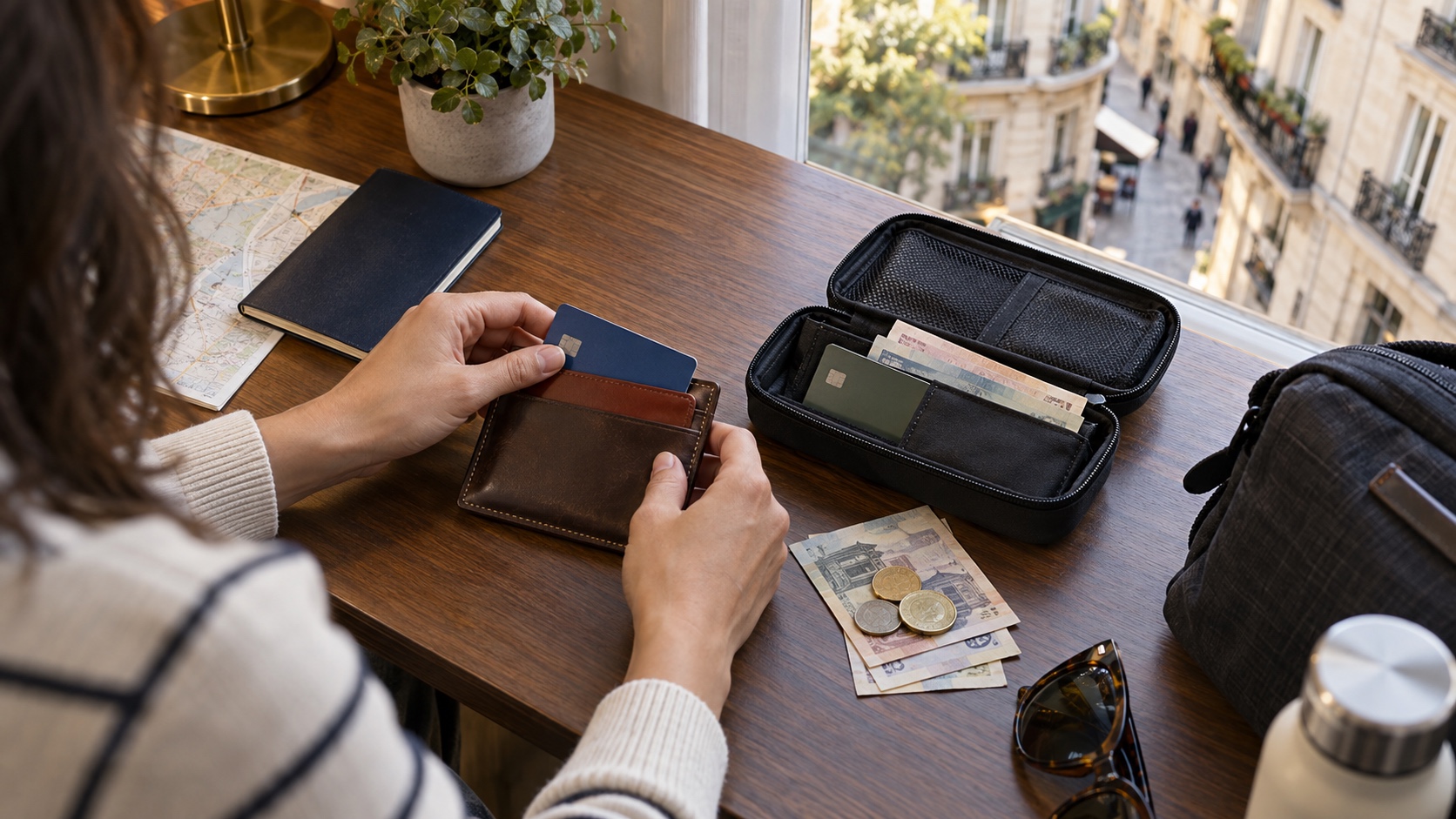
Do not leave your only debit card at home. It may be the most practical way to get local cash, and the U.S. Department of State explicitly lists using an ATM card abroad as an emergency option. The better rule is to avoid exposing the card tied to your primary checking balance for every routine purchase, especially at terminals you cannot evaluate.
Use instead: a no-foreign-transaction-fee credit card for purchases, plus a debit card reserved for trusted bank ATMs and stored separately when not needed. Check foreign-transaction and ATM fees, tell the issuer about travel if it asks, and carry a second payment route. If a card is lost, the State Department advises reporting it immediately. For broader room-security habits, see our guide to checking a hotel room for hidden cameras.
8. When Making Online Purchases From an Unfamiliar Seller
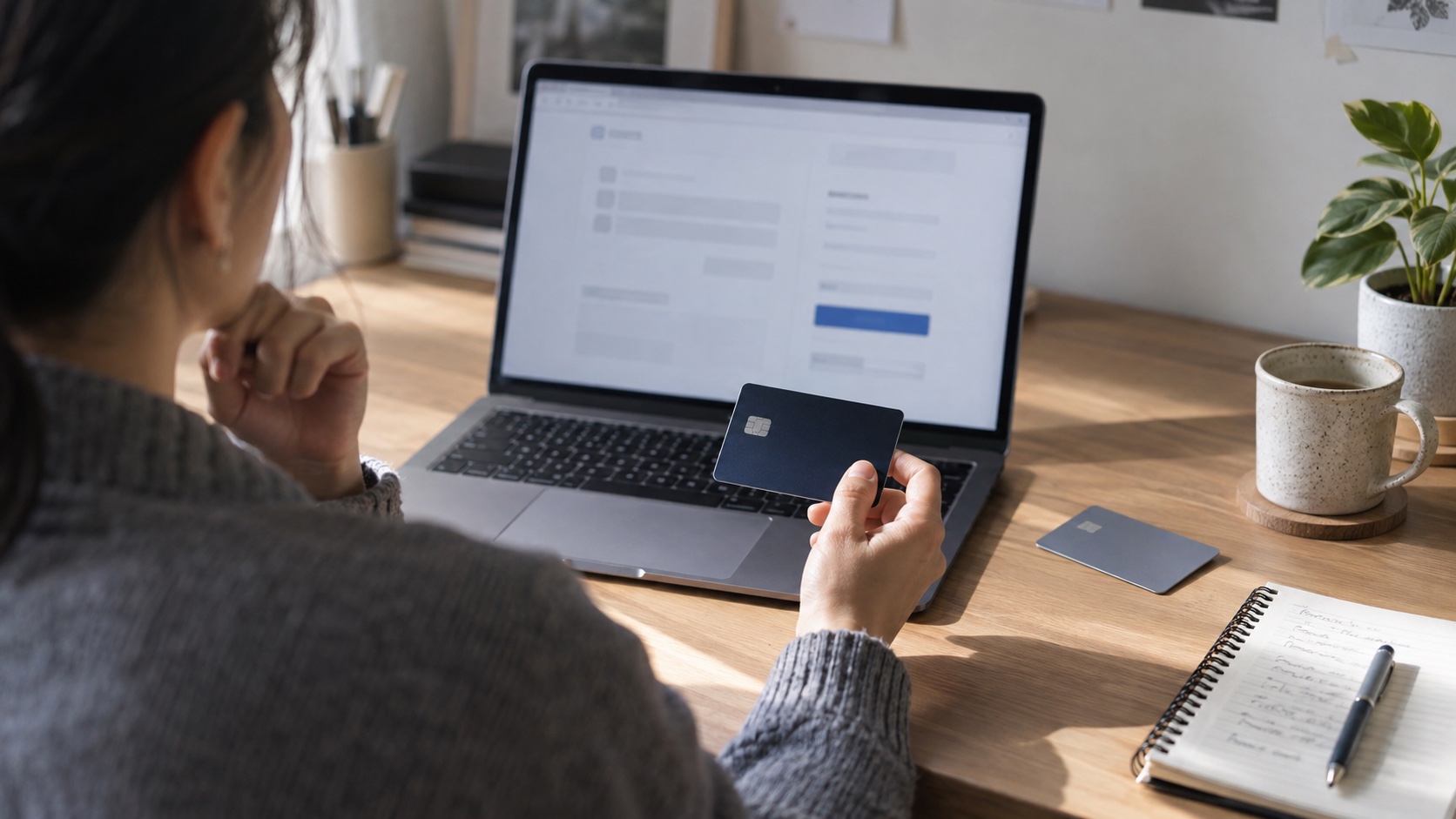
An online form can hide a fake store, a subscription term, or a compromised checkout. A debit card is not unprotected: Regulation E covers unauthorized electronic fund transfers and requires an error-resolution process. The practical difference is cash flow. A fraudulent debit can remove available funds first, while a disputed credit charge generally remains on the issuer's account during the investigation.
Use instead: a credit card, or a legitimate wallet or virtual-card option that keeps the primary card number away from the seller. Confirm the domain, return policy, total, recurring terms, and contact details before paying. The CFPB says a bank generally has 10 business days to investigate a reported unauthorized debit transaction, though the exact provisional-credit and resolution rules depend on the situation.
9. In a Self-Checkout Line When the Reader Looks Wrong
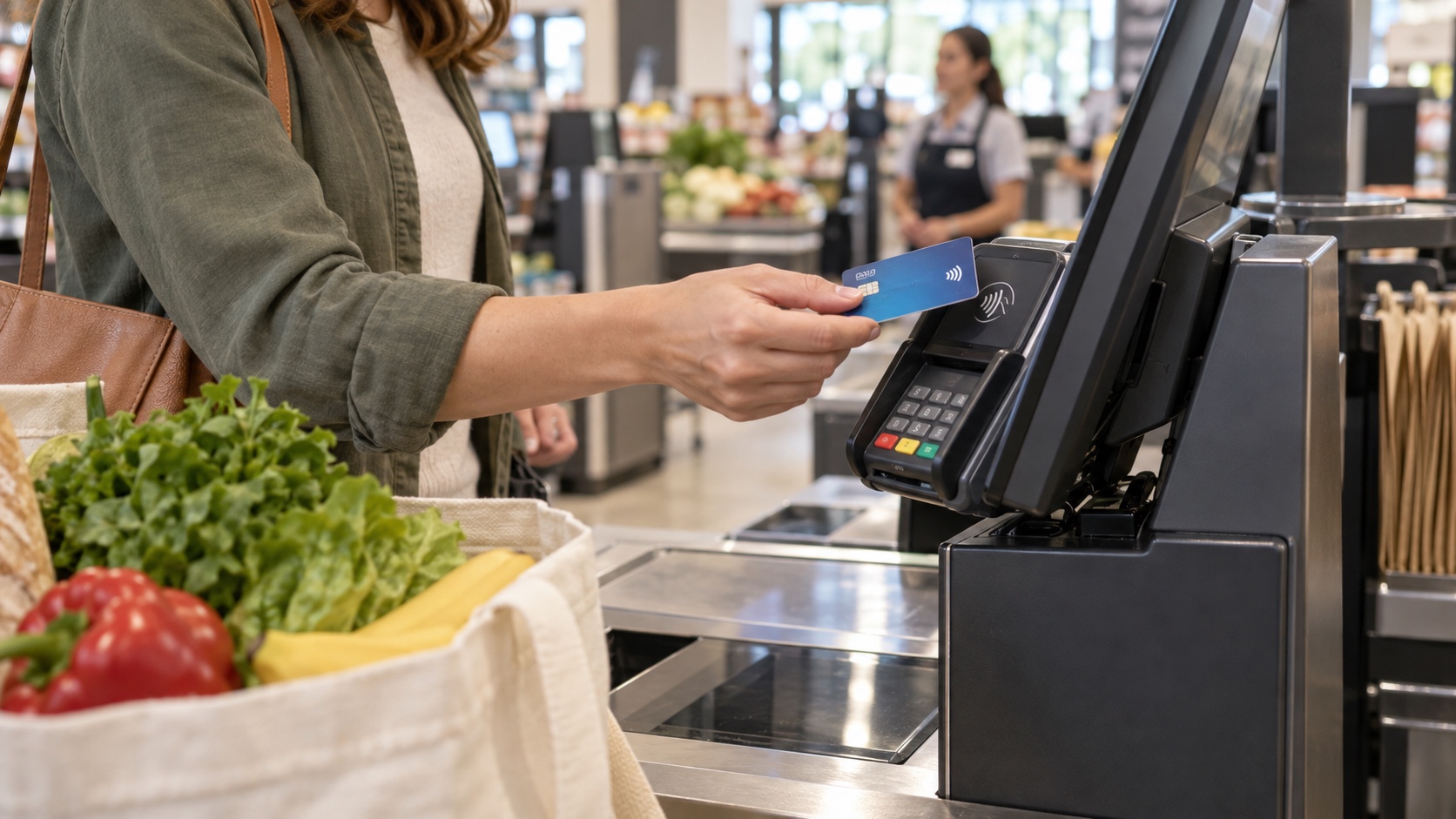
Self-checkout is not inherently more dangerous than a staffed lane. The relevant fact is that skimmers can target any point-of-sale terminal. The FBI says overlays may be present in markets, convenience stores, and other retailers and advises avoiding a reader that looks loose, crooked, damaged, or scratched.
Use instead: contactless credit, a mobile wallet, cash, or a different register. Tell an employee rather than trying to remove a suspected device. If the terminal looks normal and accepts chip or tap, using debit is a reasonable choice; cover the PIN and enable transaction alerts. The risk is the suspicious terminal, not the fact that you scanned the groceries yourself.
10. When Dining Out and the Card Would Leave Your Sight
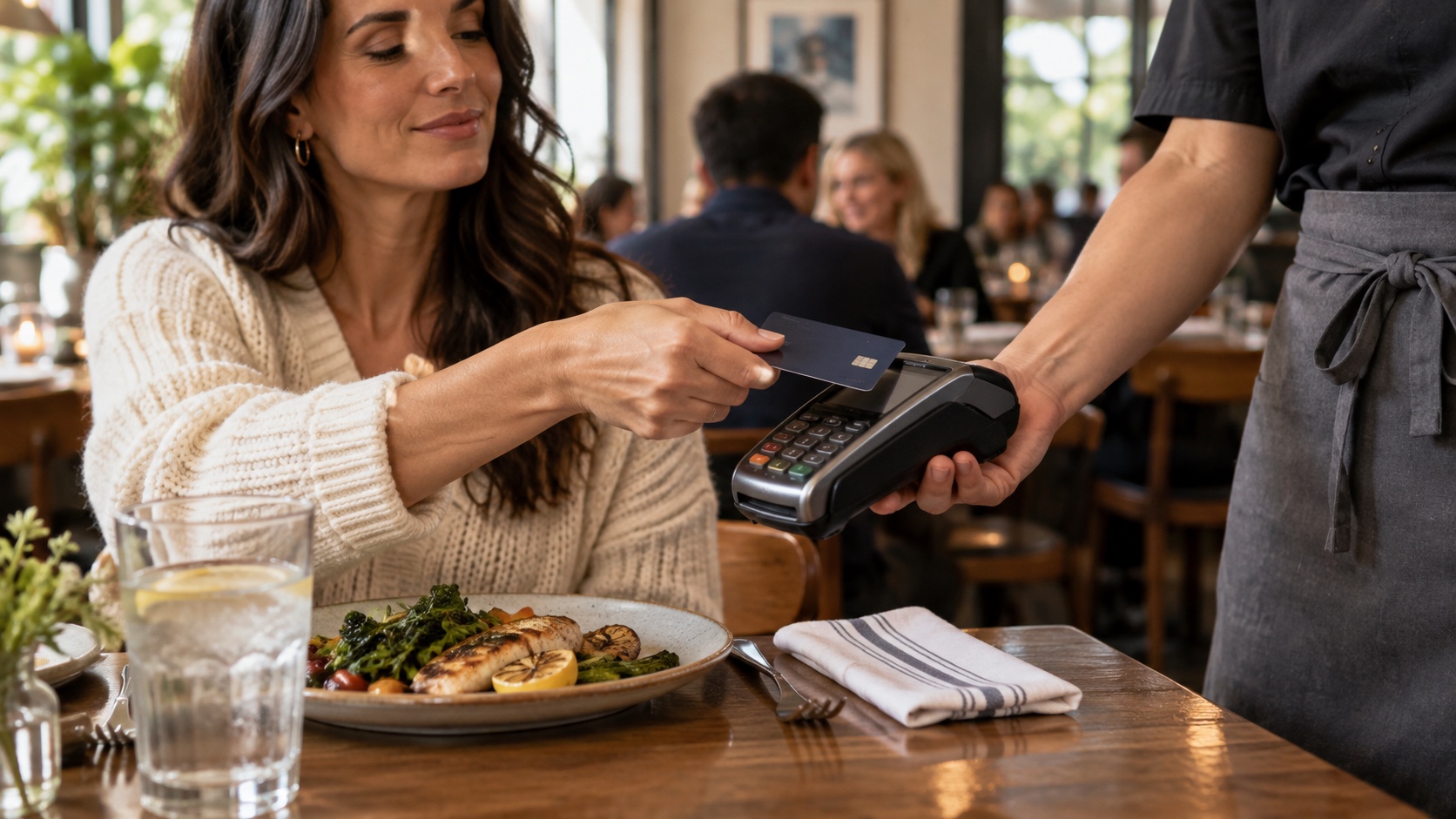
The original version unfairly treated restaurant staff as suspects. The real issue is control of the card. Any card can be copied or misplaced when it disappears from view, and a debit card can expose both card data and a PIN if the terminal is compromised. A handheld chip or tap terminal at the table reduces that exposure.
Use instead: tap a credit card or mobile wallet at the table, pay at the register, or use cash. If you choose debit, keep the card in sight and cover the PIN. This is a situational preference, not a reason to distrust a server or avoid every restaurant terminal. Once payment is sorted, our guide to saving on a restaurant meal can help with the total itself.
What to Do if a Debit Card Transaction Looks Wrong
Lock the card in the banking app if that feature is available, call the issuer using the number on the card or official website, and identify every transaction you did not authorize. Keep the dates, case number, messages, and statements. The CFPB explains that reporting speed matters: a lost or stolen debit card reported within two business days can limit liability, while waiting beyond 60 days after a statement was sent can expose later unauthorized transfers to much greater liability.
Federal law sets a floor, and an issuer's voluntary policy may be more generous. Neither credit nor debit removes the need to review statements. The most useful habit is simple: reserve the debit card for places where direct access to checking is worth the convenience, and use a different method when a hold, delayed delivery, or disputed charge could disrupt the rest of your month.
Frequently Asked Questions
Are debit cards unsafe to use?
No. Debit cards are practical for many everyday purchases and have federal protections. The main trade-off is that a hold or disputed transaction can reduce money available for bills while the issue is resolved.
What if I do not have or do not want a credit card?
Use debit at trusted terminals, prefer chip or contactless payment, cover the PIN, turn on alerts, and keep a balance cushion for legitimate holds. Cash is another option where accepted.
Does choosing credit at a gas pump turn a debit purchase into credit?
No. It still draws from the checking account. Choosing credit generally avoids entering the PIN, but it does not provide credit-card dispute rights.
How quickly should I report debit card fraud?
Immediately. Timing can affect liability; the CFPB outlines a two-business-day window for a lost or stolen card and a 60-day statement deadline for certain unauthorized transfers.