10 Ways to Save on Your Next Restaurant Meal

The best ways to save on your next restaurant meal are to set a total budget, check the restaurant’s own current offers, compare the final pickup or delivery price, and order only the food and drinks your table actually wants. Gift cards, early specials, shared entrees, and kids’ promotions can help, but only after you read the terms.
This list ranks ten tips by likely impact, reliability, and effort for a typical U.S. diner. A higher position means the choice gives you more control over the final check; it does not promise the same dollar saving at every restaurant. Menus, fees, promotion dates, and participation vary by location, so verify the current details before ordering.
10. Use a Gift Card You Already Have
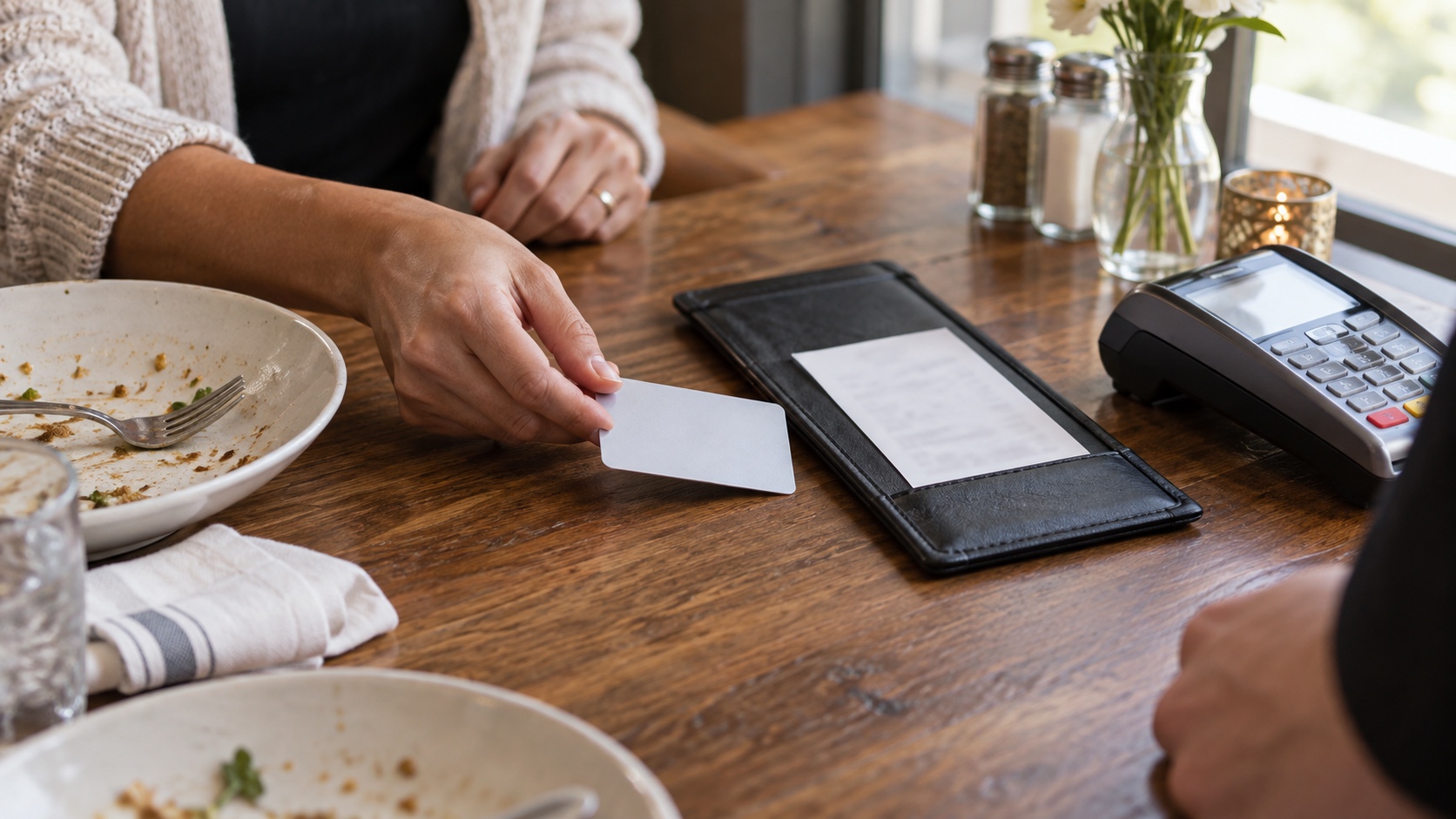
Best for: turning an existing balance into a real saving. Check the gift card or gift certificate balance, participating locations, online-order rules, and whether the card covers tax and tip. A card bought at face value is a payment method, not a discount; the advantage comes from using value you already hold or buying from the issuer during a verified bonus promotion.
Federal rules generally require covered gift-card funds to remain valid for at least five years, and dormancy, inactivity, or service fees generally cannot begin until after 12 months without activity. The CFPB’s gift-card rule also explains disclosures and exceptions, including separate treatment for some promotional cards. State protections may be stronger. Buy through the restaurant or another trusted seller, keep the receipt, and never send a card number or PIN to someone demanding payment.
9. Check the Restaurant’s Own Online Offers
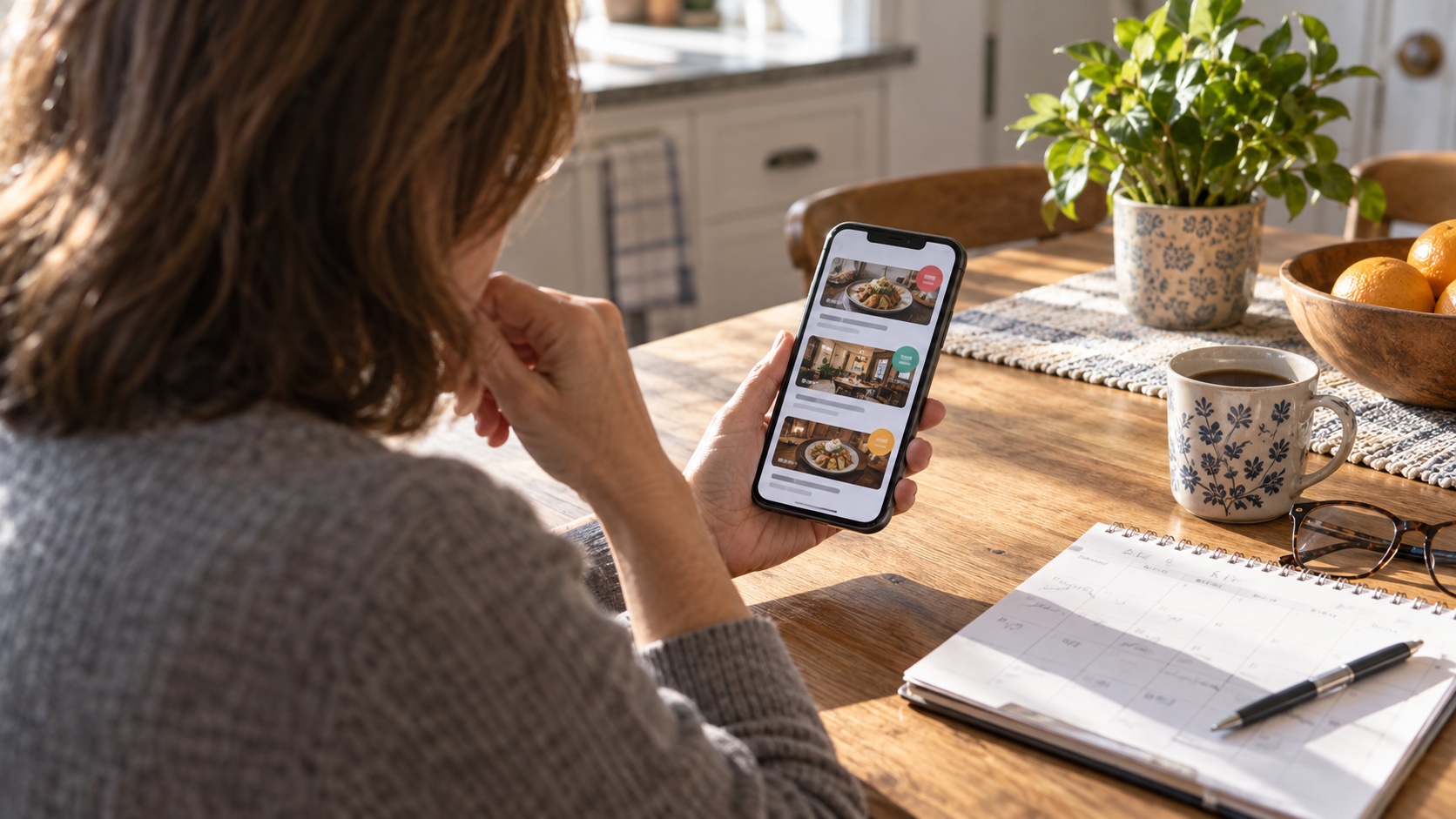
Best for: diners who return to the same few restaurants. Before joining an email list or rewards program, look for a current welcome offer, birthday terms, points expiration, minimum spend, and participating locations. Give the restaurant only the personal information you are comfortable sharing; a vague promise of future coupons is not automatically worth another marketing account.
Start with the restaurant’s official website or app rather than a search result that may quote an expired deal. Save the offer in the account before you arrive, then check whether it can be combined with a gift card, happy hour, or another promotion. “Member price” matters only when it lowers the meal you already planned to buy.
8. Compare Deals Against the Regular Menu
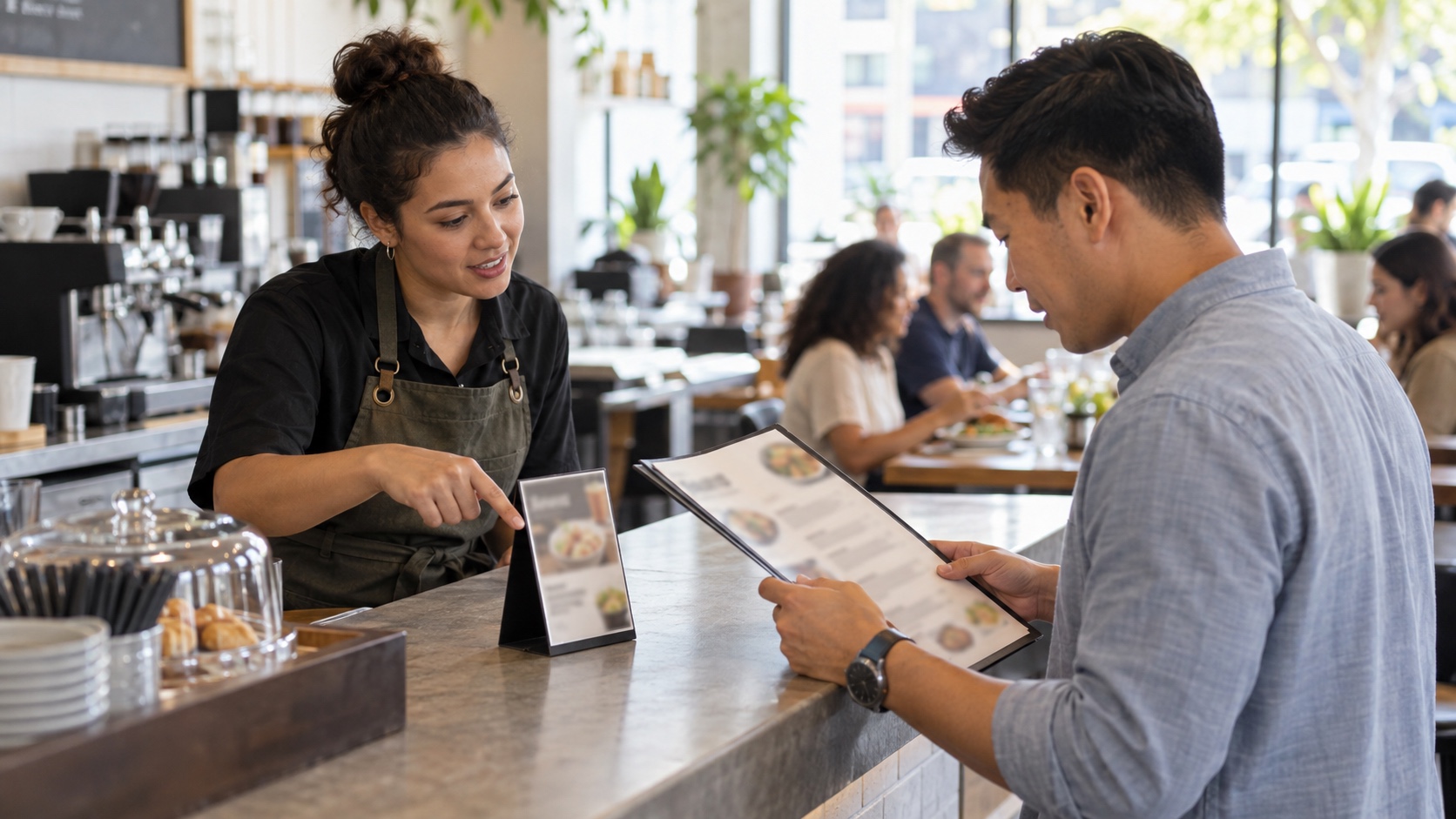
Best for: avoiding a “deal” that increases the order. Compare the promotion with the regular menu using the same quantities: number of entrees, side dishes, drinks, fees, and required add-ons. A bundle can cost less than its components and still cost more than the smaller meal you wanted.
Read the redemption window and exclusions before relying on a coupon. Restaurant, franchise, day, dine-in, and minimum-purchase restrictions are common variables. If the terms are unclear, ask before ordering rather than arguing after the check arrives.
7. Go During a Verified Off-Peak Special
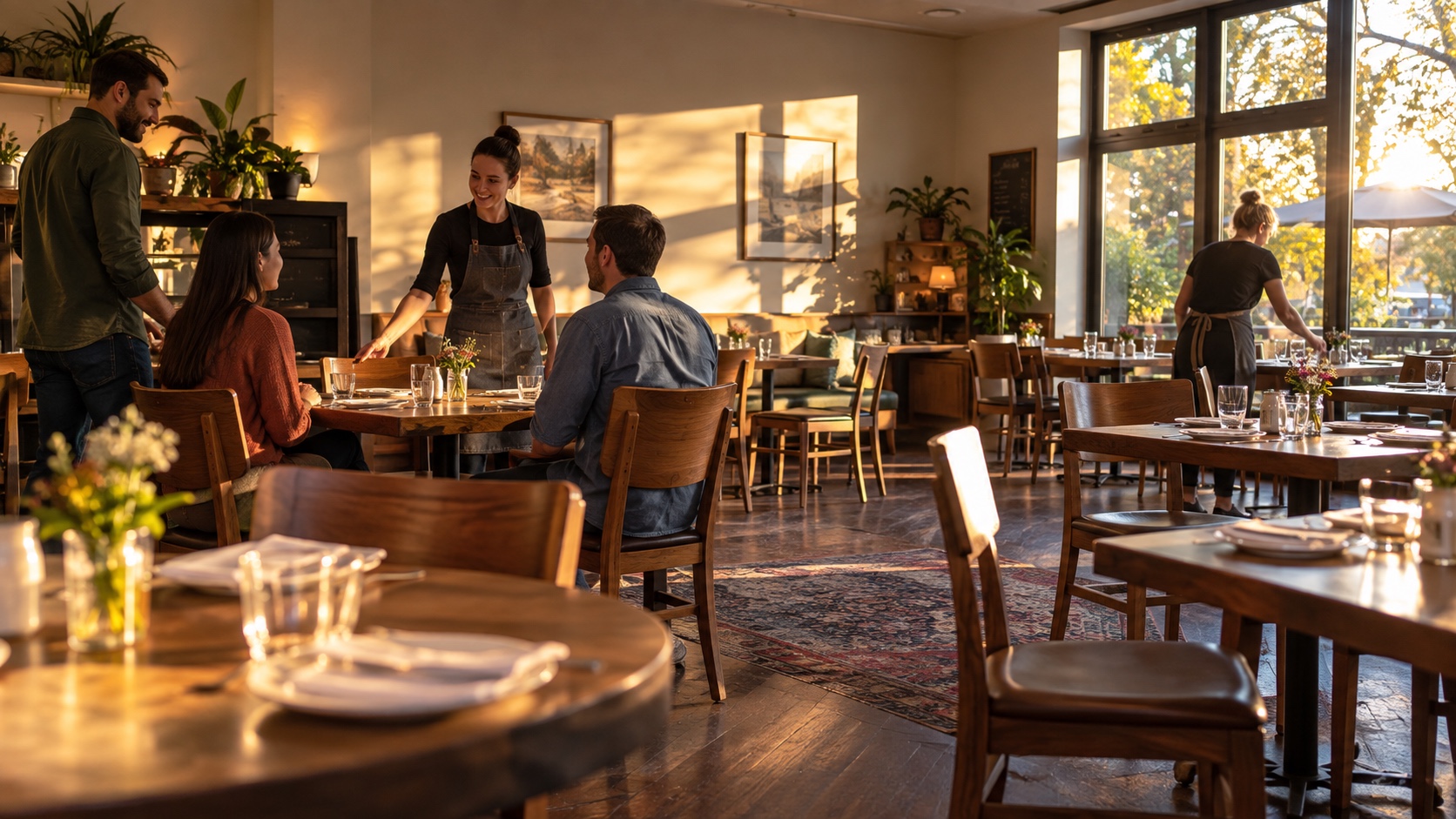
Best for: people whose schedule can match a posted early-bird, lunch, or happy-hour menu. Off-peak timing does not create a discount by itself. Confirm the hours, eligible seating area, food choices, drink requirement, and whether the lower price applies on the day you plan to visit.
Judge the special as a complete meal. A discounted appetizer plus a required drink may cost more than a regular entree and water. If timing is flexible, the quieter room may be a separate convenience benefit, but it should not be counted as money saved.
6. Share an Entree When the Portion Fits Two
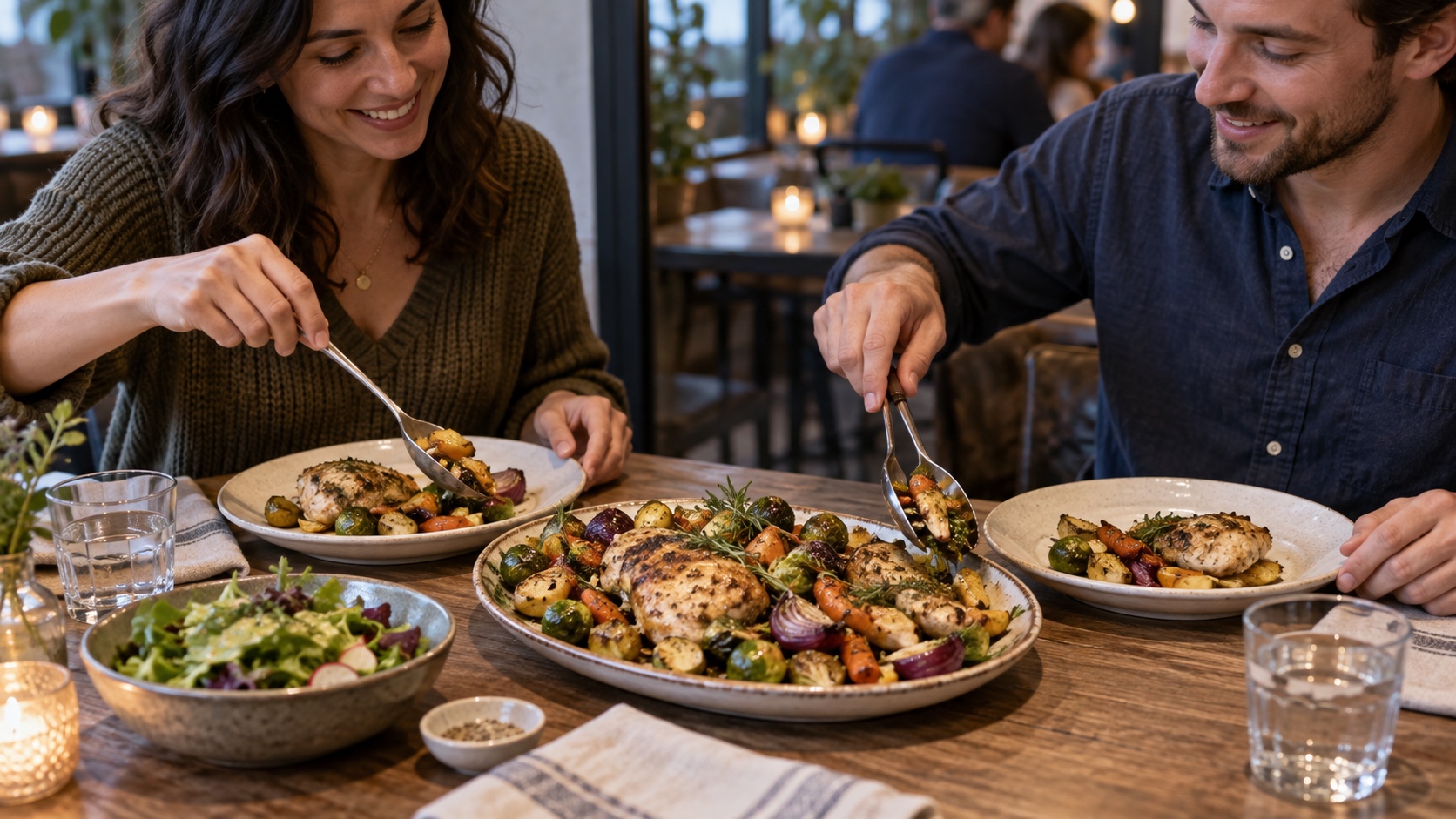
Best for: two people who genuinely want the same dish and an appropriate portion. Check the menu description, ask about a split-plate fee, and add sides only if the shared entree would otherwise be incomplete. The saving disappears when sharing triggers enough extras to rebuild two full orders.
For mixed appetites, allergies, or dietary needs, separate small plates may be the better choice even if they cost slightly more. This tip is about matching the order to the table, not encouraging anyone to ignore hunger or nutrition needs.
5. Choose Water When Drinks Are Not the Point

Best for: diners who are happy with the restaurant’s included water. Soda, cocktails, specialty coffee, and bottled water are separate purchases, so choosing tap water where it is offered removes a line item rather than chasing a complicated discount.
Check local practice and ask whether water is complimentary; policies differ. If a particular drink is part of the reason for the outing, budget for it deliberately. Saving money should remove low-value extras, not the part of the restaurant meal you care about most.
4. Verify Kids-Eat-Free Terms Before You Go
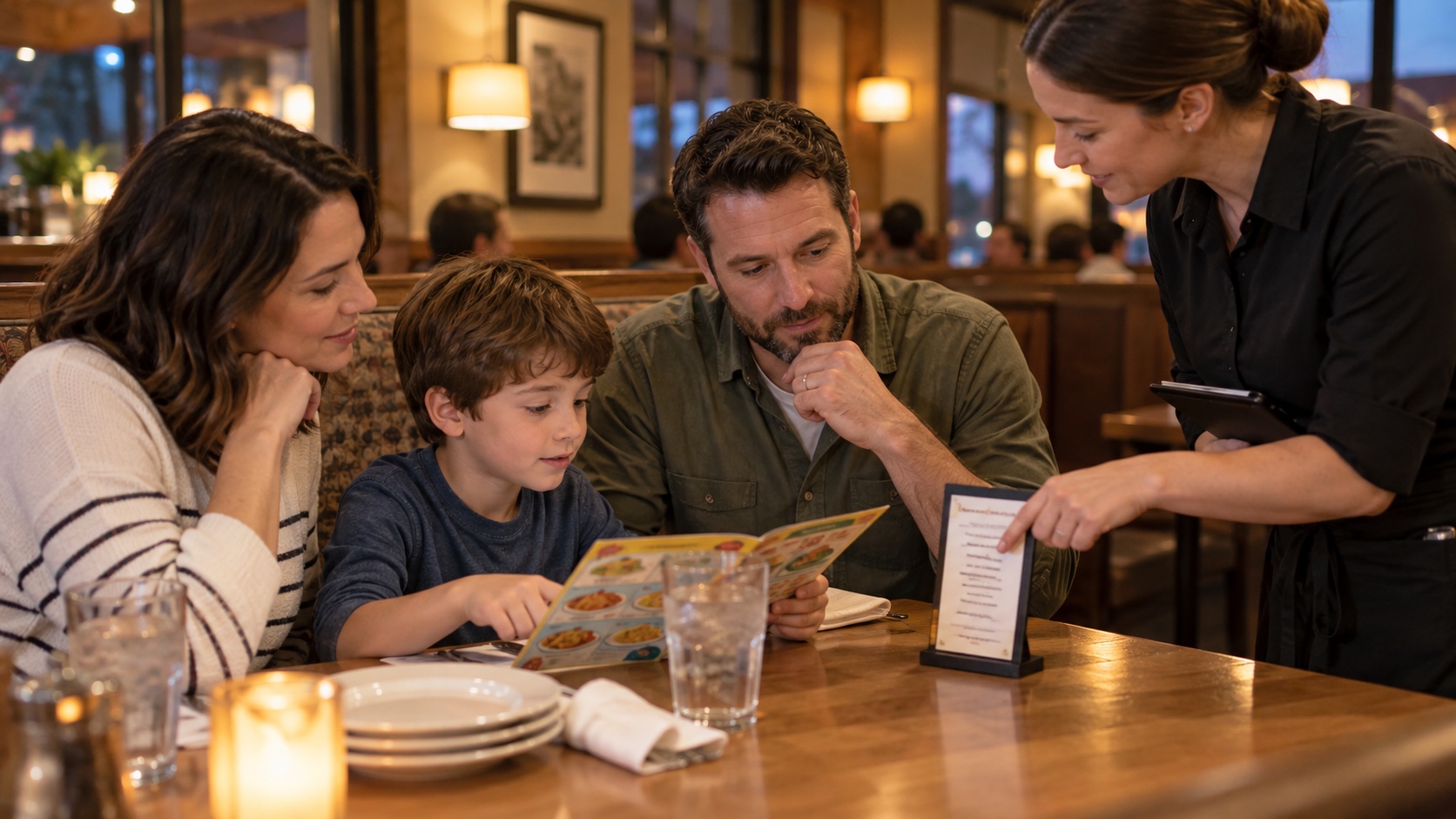
Best for: families who already planned to eat at a participating restaurant. Confirm the child age limit, eligible day and hours, required adult entree, number of child meals per adult purchase, dine-in rule, and whether beverages or tax are excluded. Call the specific location when the offer page does not list franchise participation.
Do not drive across town or enlarge the adult order solely to unlock a “free” item without comparing the full family check. The useful number is the total for the meals your family will eat, not the size of one advertised discount.
3. Treat Food Festivals as Sampling, Not Automatic Savings
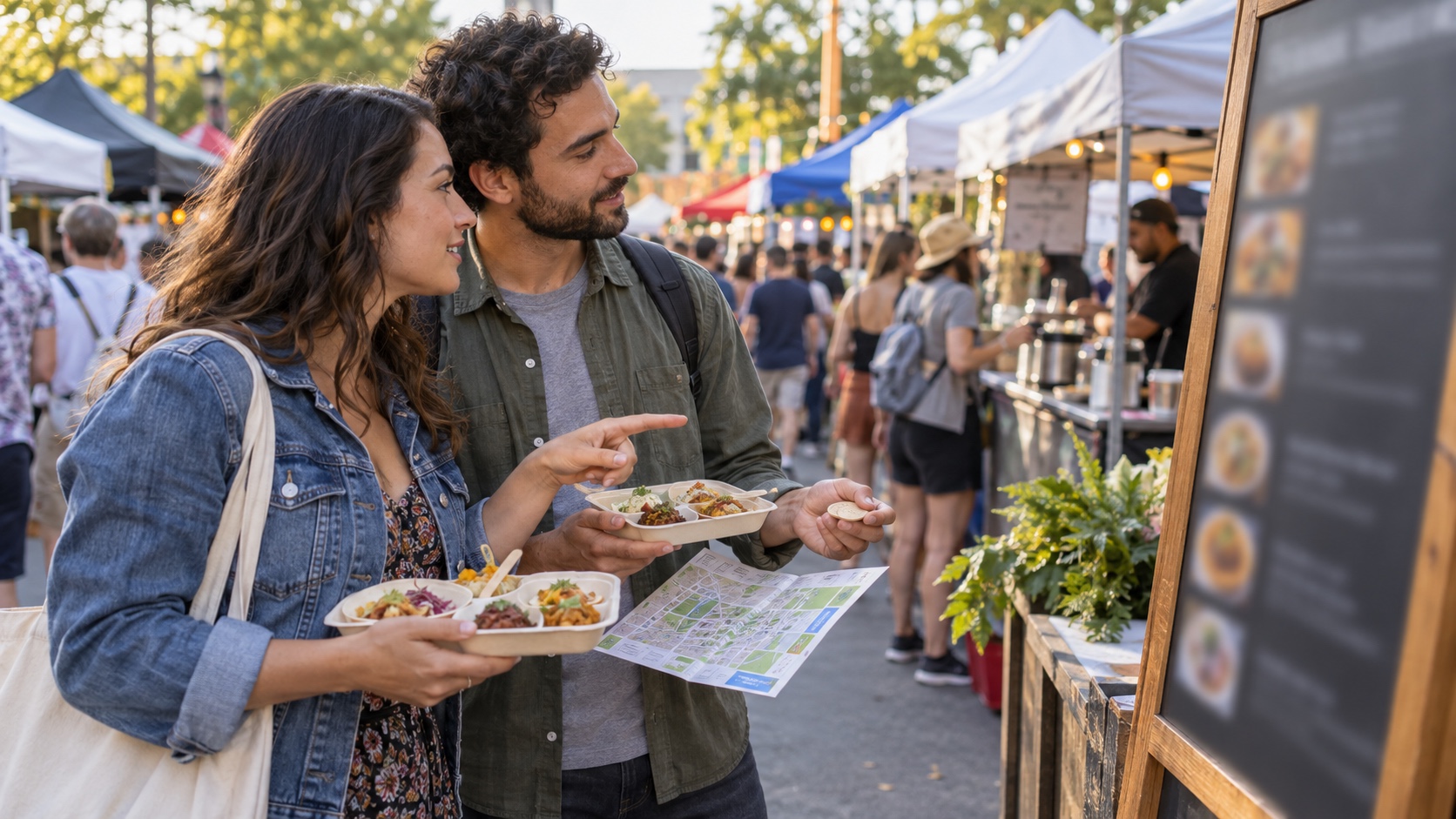
Best for: trying several local vendors without buying a full entree from each. Before attending, add admission, required token packages, parking or transit, service charges, and realistic food quantities. A low price per sample does not guarantee a low price per meal.
Food festivals earn a place here as a controlled tasting strategy, not as a universal restaurant discount. Set a spending cap, check whether unused tokens are refundable, and choose the event for variety and discovery. If your only goal is dinner, a regular menu may deliver more food for less.
2. Compare Pickup, Direct Delivery, and Third-Party Delivery Totals
Best for: anyone ordering away from the dining room. Build the same basket through the restaurant’s direct channel and any delivery platform you are considering, then compare the final amount after item prices, service fees, delivery fees, taxes, discounts, and tip. Do not assume takeout or delivery is cheaper than dining in.
The FTC has highlighted questions about whether food-delivery platforms clearly disclose total prices, fees, restrictions, and differences from in-restaurant prices. Pickup often removes a delivery fee, but the checkout—not the ordering channel’s headline—is the evidence. If buffet value is the comparison, our current buffet-chain status guide explains why location and service format also need verification.
1. Set the Full Budget Before You Choose the Restaurant
Best for: the most reliable control over what you spend. Decide the all-in amount for food, drinks, tax, tip, transportation, and optional fees before browsing. Then choose a restaurant and order that fit the number without depending on a coupon appearing at checkout.
Cooking at home more often can create room in that budget, but “eat at home” is not a trick for lowering the bill after you sit down. USDA’s Economic Research Service separates food at home from food away from home and reports that food-away-from-home represented 56.3% of total U.S. food expenditures in 2025. That national spending share is context, not a promise about one household. Use your own receipts to decide how many restaurant meals fit.
For lower-cost meals between restaurant visits, compare the unit prices and labels in our guide to foods worth checking at dollar stores. If convenience matters more than cooking from scratch, the prepared family-meal catalog offers another at-home option. Those choices do not make dining out a mistake; they make the next restaurant meal an intentional part of the plan.
A 60-Second Check Before You Order
- Open the restaurant’s current official menu and promotion terms.
- Choose the meal you actually want before applying a coupon or reward.
- Compare the final total, including required extras, fees, tax, and tip.
- Confirm location, date, time, age, and redemption restrictions.
- Use a gift card balance or reward only when it reduces that planned total.
Sources and Review Date
Reviewed September 22, 2026. Gift-card protections were checked against CFPB Regulation E, § 1005.20. Delivery-price caveats were checked against the FTC’s 2026 food-delivery fee proceeding. National food-at-home and food-away-from-home context came from USDA Economic Research Service data. Restaurant promotions and menus change by location, so this guide deliberately avoids naming an offer without live terms.