10 Foods You Should Buy at the Dollar Store (and What to Check)

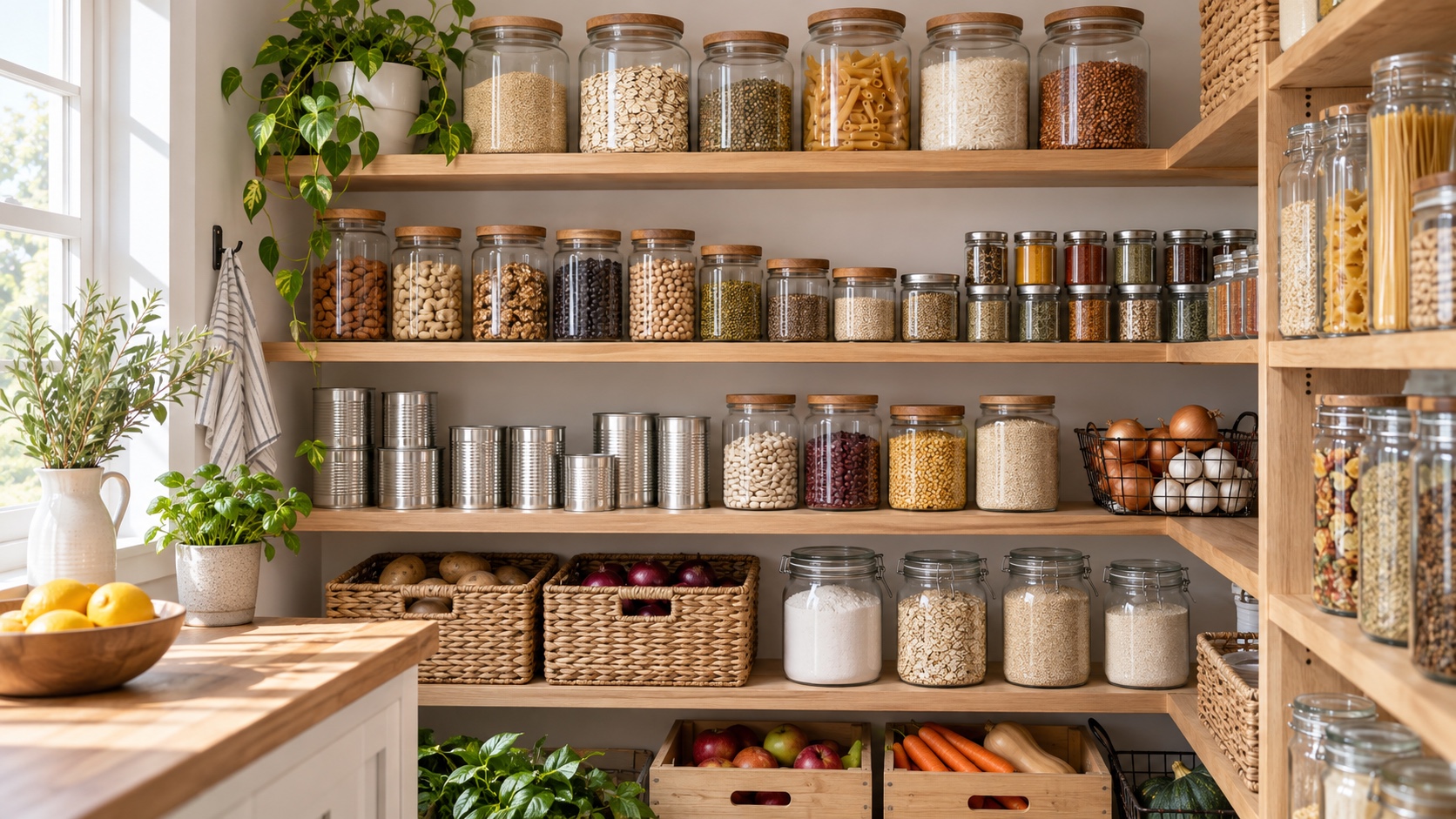
The best dollar store food buys are shelf-stable basics with a unit price below the same kind of product at a supermarket. Start with dry pasta, spices, canned beans, oats, and other pantry staples—but compare ounces, not package prices. Dollar General and Dollar Tree use different pricing models, and either can lose to Walmart on a given item.
Dollar Tree is the variety-store format: many products still sit at its $1.25 entry price, but the company now carries a broader multi-price assortment. Dollar General is a small-box discount retailer with many price points and a grocery selection closer to a compact neighborhood market. That distinction matters. “One item for $1.25” is not a storewide promise at Dollar Tree, while “Dollar General” does not mean every product costs a dollar.
How to check a dollar store food deal
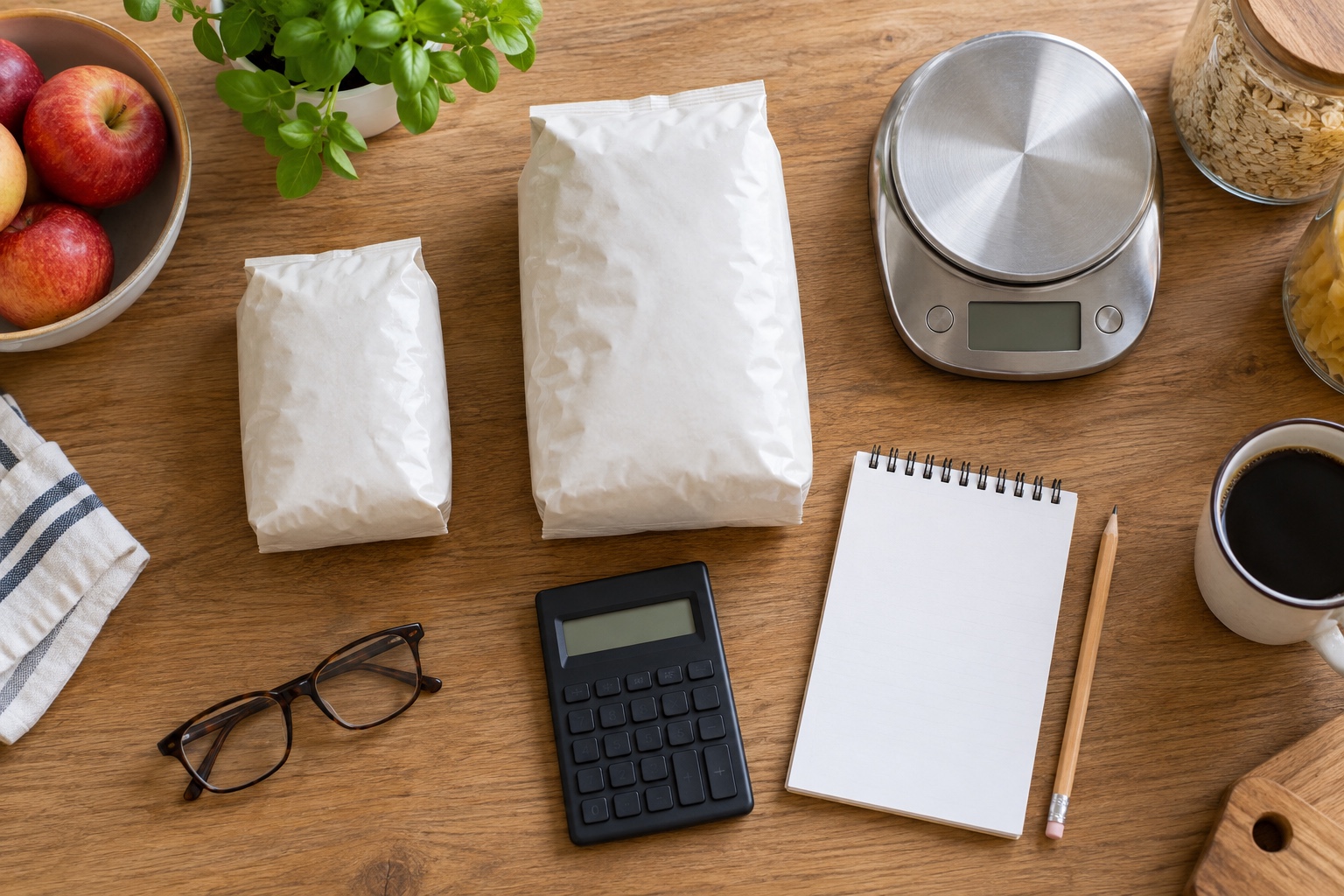
Use the same unit on both packages. Divide price by ounces for dry goods, price by fluid ounces for liquids, or price by count for tea bags and microwave-popcorn packets. Then compare like with like: plain oats with plain oats, not sweetened packets; dried beans with dried beans, not canned beans. If one product is $1.25 for 12 ounces and another is $1.48 for 16 ounces, the math is 10.4 cents versus 9.3 cents per ounce—the larger package is cheaper even though its sticker price is higher.
Price snapshot checked September 21, 2026: online prices can vary by store and fulfillment method. Dollar General listed a 16-ounce Clover Valley pasta at $1, or 6.3¢/oz, while Walmart listed 16-ounce Great Value pasta at $1.24, or 7.8¢/oz. That is a real unit-price win. The same check did not favor Dollar General's 14-ounce mustard: $1, or 7.1¢/oz, versus Walmart's 20-ounce bottle at $1, or 5¢/oz. Treat the examples below as a repeatable shelf test, not a permanent national price guarantee.
1. Dry pasta
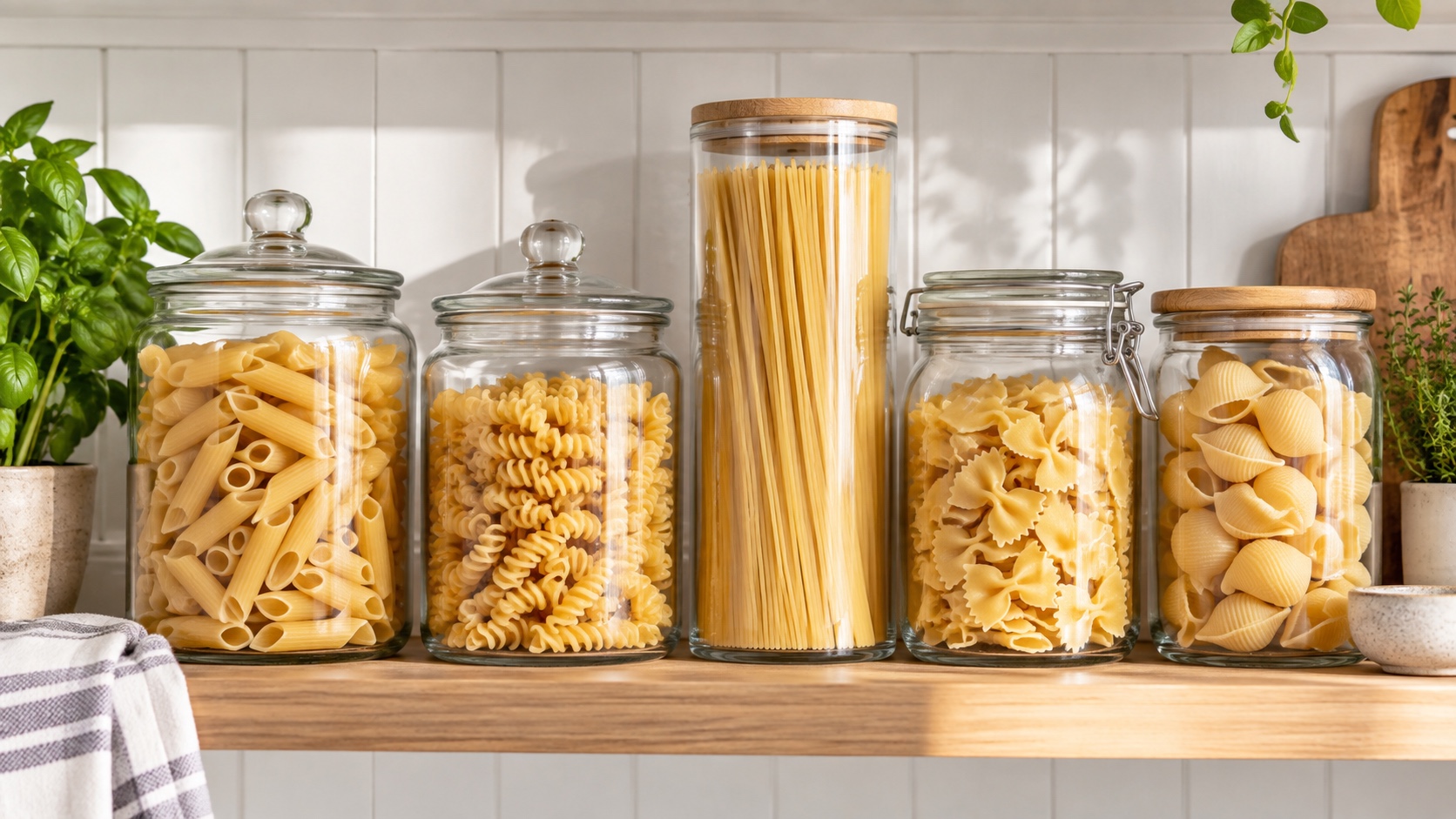
Best current check: Dollar General. A full 16-ounce box at $1 works out to 6.3¢ per ounce and beat the 7.8¢ Walmart comparison in our snapshot. At Dollar Tree, read the net weight: a $1.25 box must contain more than 16 ounces to beat that Dollar General example. Pasta is easy to compare because the ingredients and package weights are straightforward.
2. Spices and seasoning
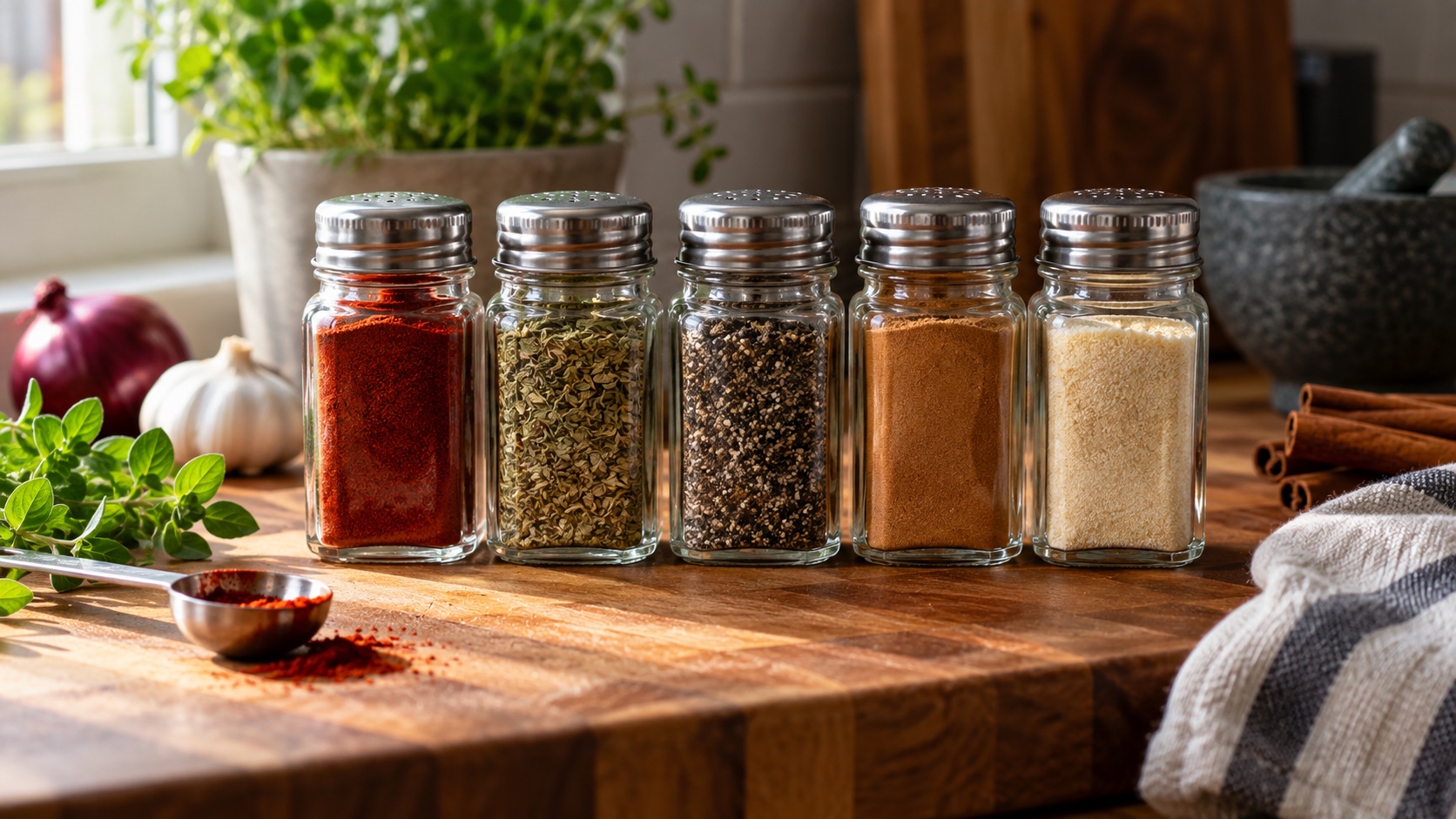
Best place to check: Dollar General's $1 spice shelf. Its 3.75-ounce seasoning example equals 26.7¢ per ounce; Walmart's 3.4-ounce garlic powder was 31.8¢ per ounce in the same check. Compare the exact spice, though: blends may contain mostly salt, and specialty spices vary widely. Buy only the amount you will use while the aroma is still strong, and check that the seal is intact.
3. Canned beans
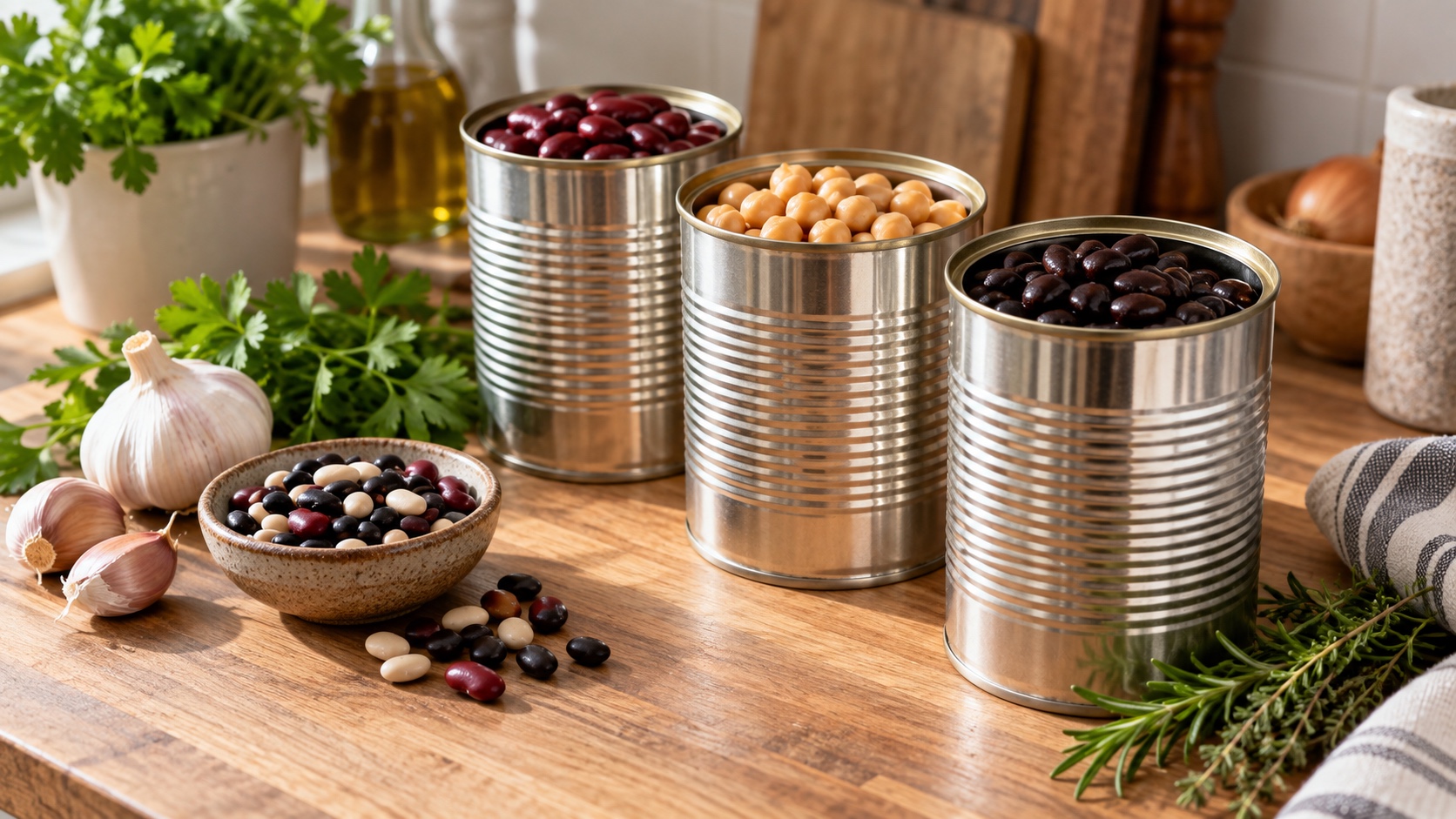
Check both chains, then compare Walmart. Dollar General's 16-ounce refried beans and Walmart's 16-ounce comparison were both $1, so neither won on price per ounce. Dollar Tree's same-day black beans were $1.50 for 15.5 ounces, or about 9.7¢ per ounce. A dollar-store can belongs in the cart only when its unit price beats the supermarket can and the style, sodium level, and drained weight meet your needs.
4. Rolled oats
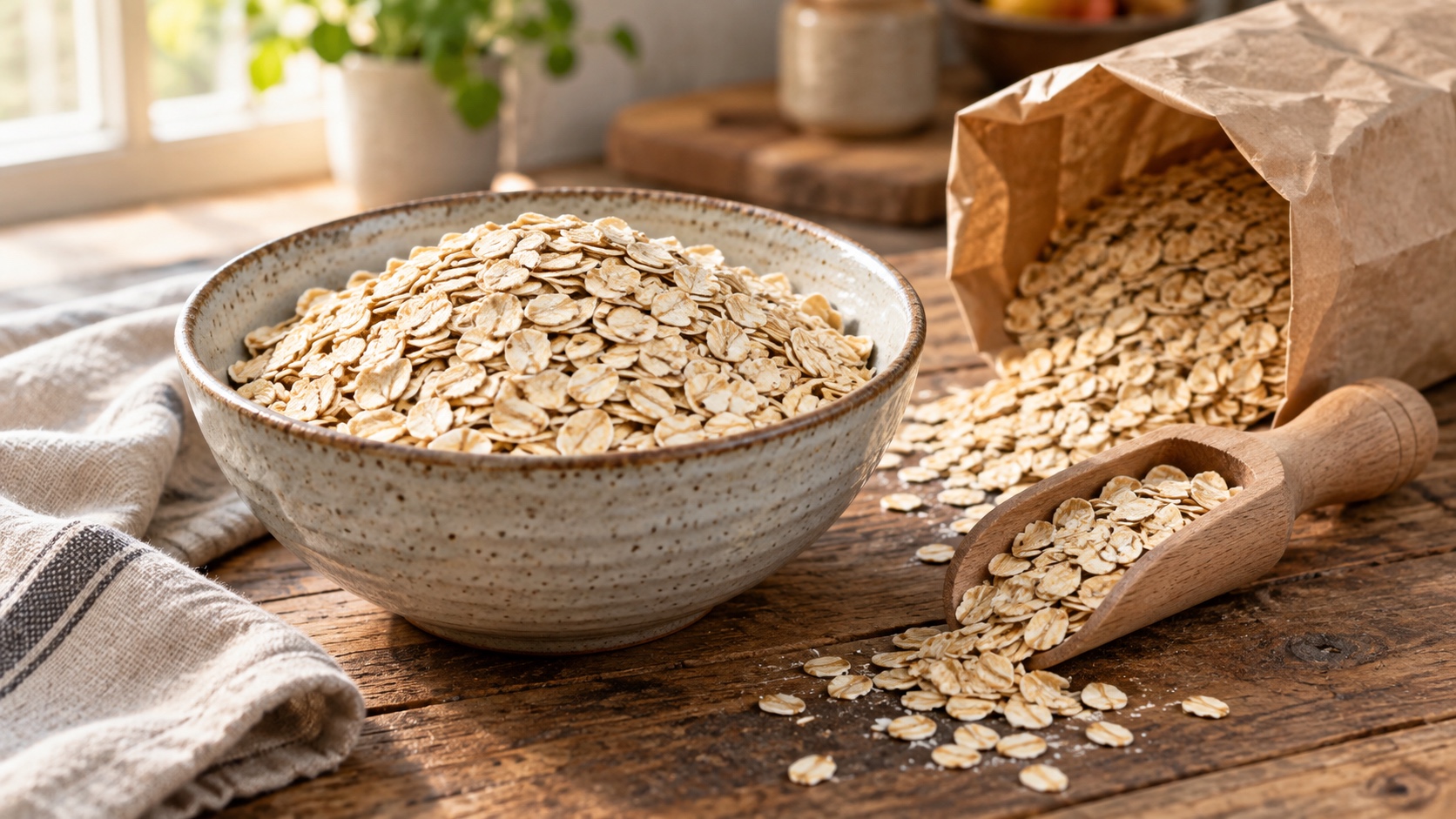
Buy at either dollar chain only below the supermarket threshold. Walmart's 42-ounce plain oats were 10.4¢ per ounce, while its smaller 18-ounce tube was 15.1¢ per ounce. That gives you a useful shelf rule: a Dollar General or Dollar Tree package must beat 10.4¢ per ounce to outperform the large size, or 15.1¢ if you deliberately want the smaller package and less food waste.
5. Rice
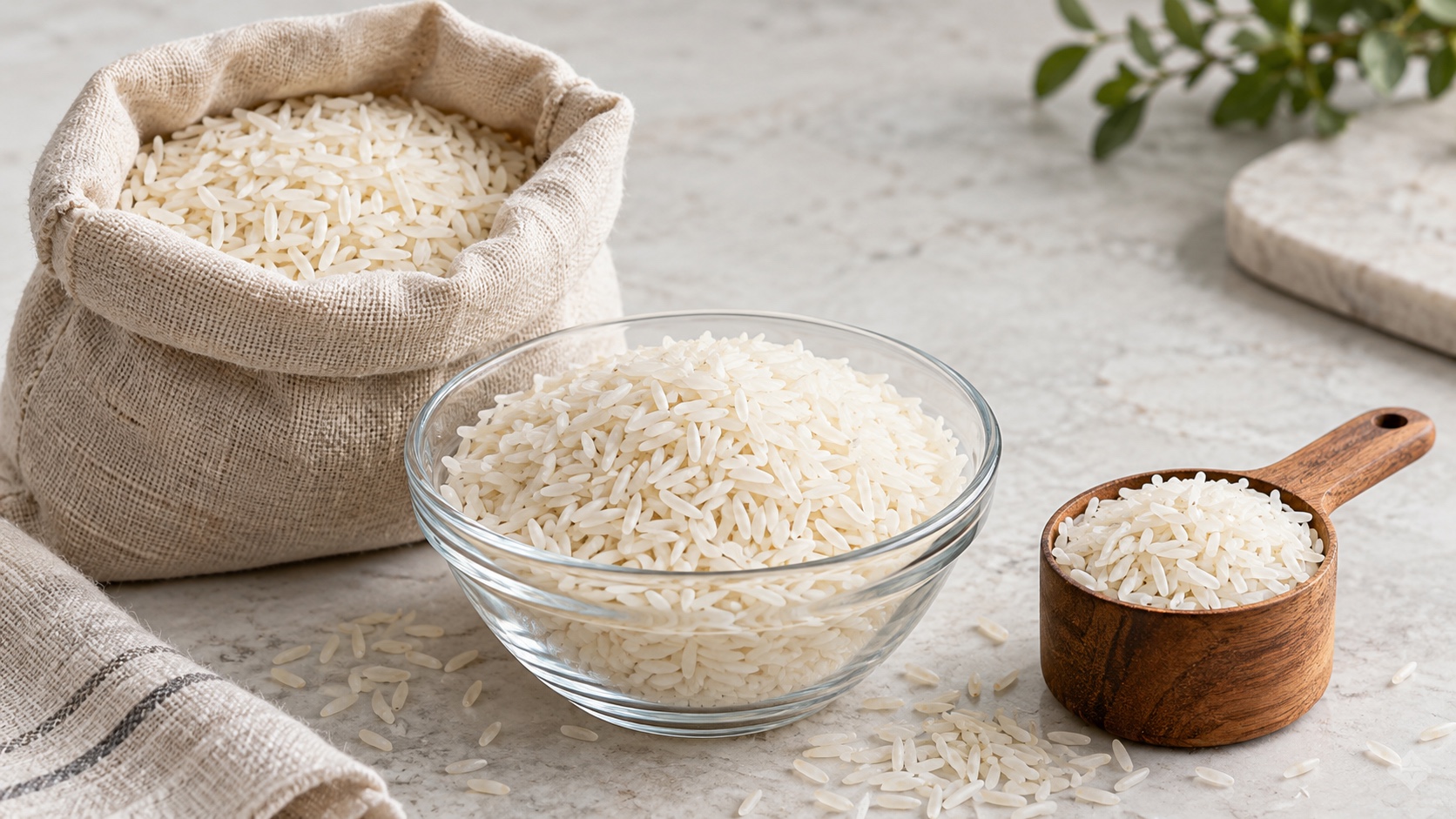
Current verdict: skip the dollar-store example. Dollar General listed a 16-ounce bag of brown rice at $1, or 6.3¢ per ounce. Walmart's 16-ounce white rice was 92 cents, or 5.8¢ per ounce, and its brown rice was 88 cents, or 5.5¢ per ounce. Variety matters, so compare brown with brown, but the snapshot shows why the dollar-store sticker alone is not enough.
6. Canned tomatoes and tomato paste
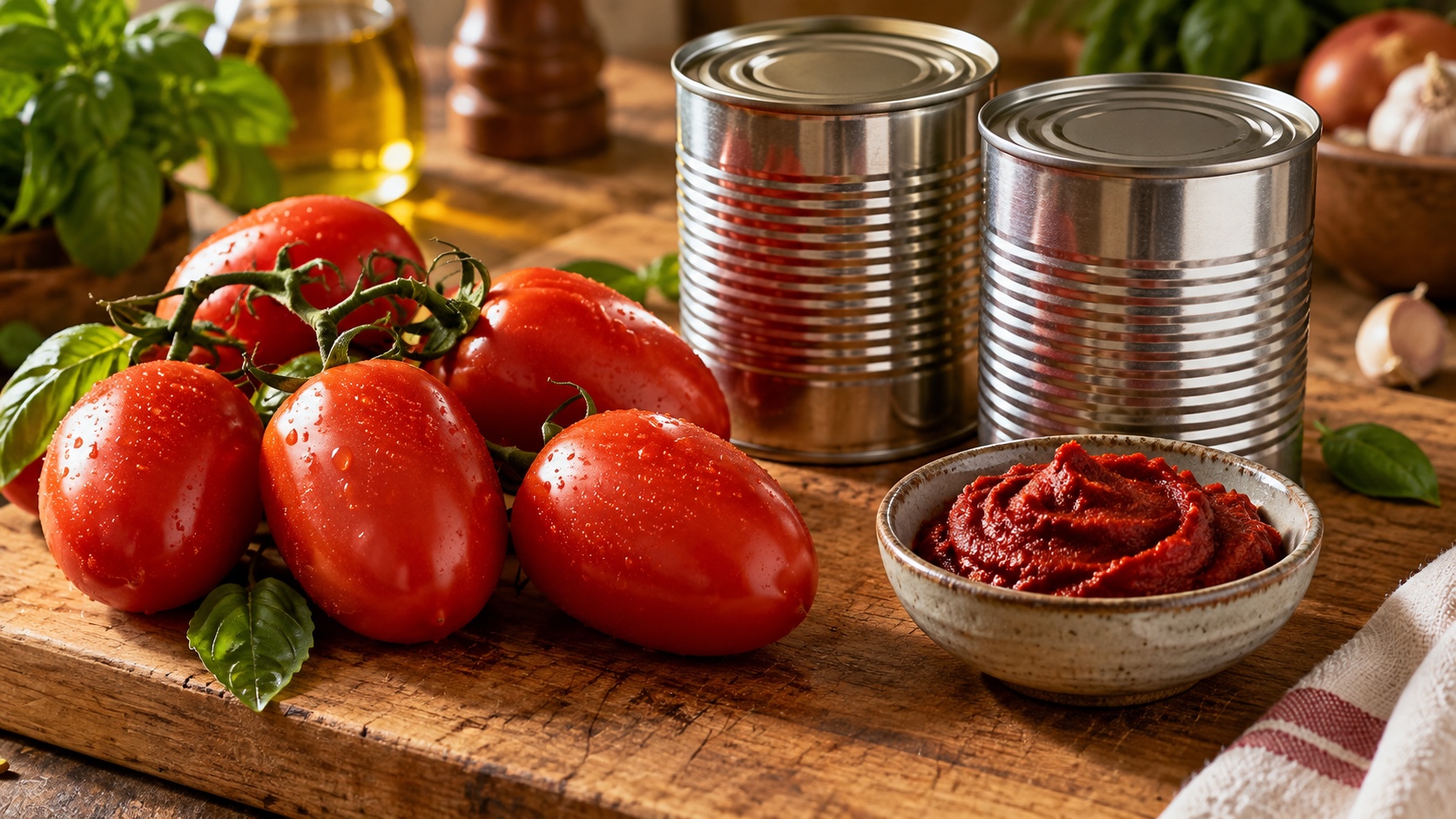
Current verdict: Walmart narrowly wins diced tomatoes. Dollar General's 14.5-ounce can at $1 equals 6.9¢ per ounce; Walmart's matching size at 96 cents equals 6.6¢. Dollar Tree can still win on a different tomato product or promotion, but compare diced with diced and paste with paste. Check sodium, added flavors, and can condition before deciding that a few cents are worth it.
7. Mustard, vinegar, and hot sauce
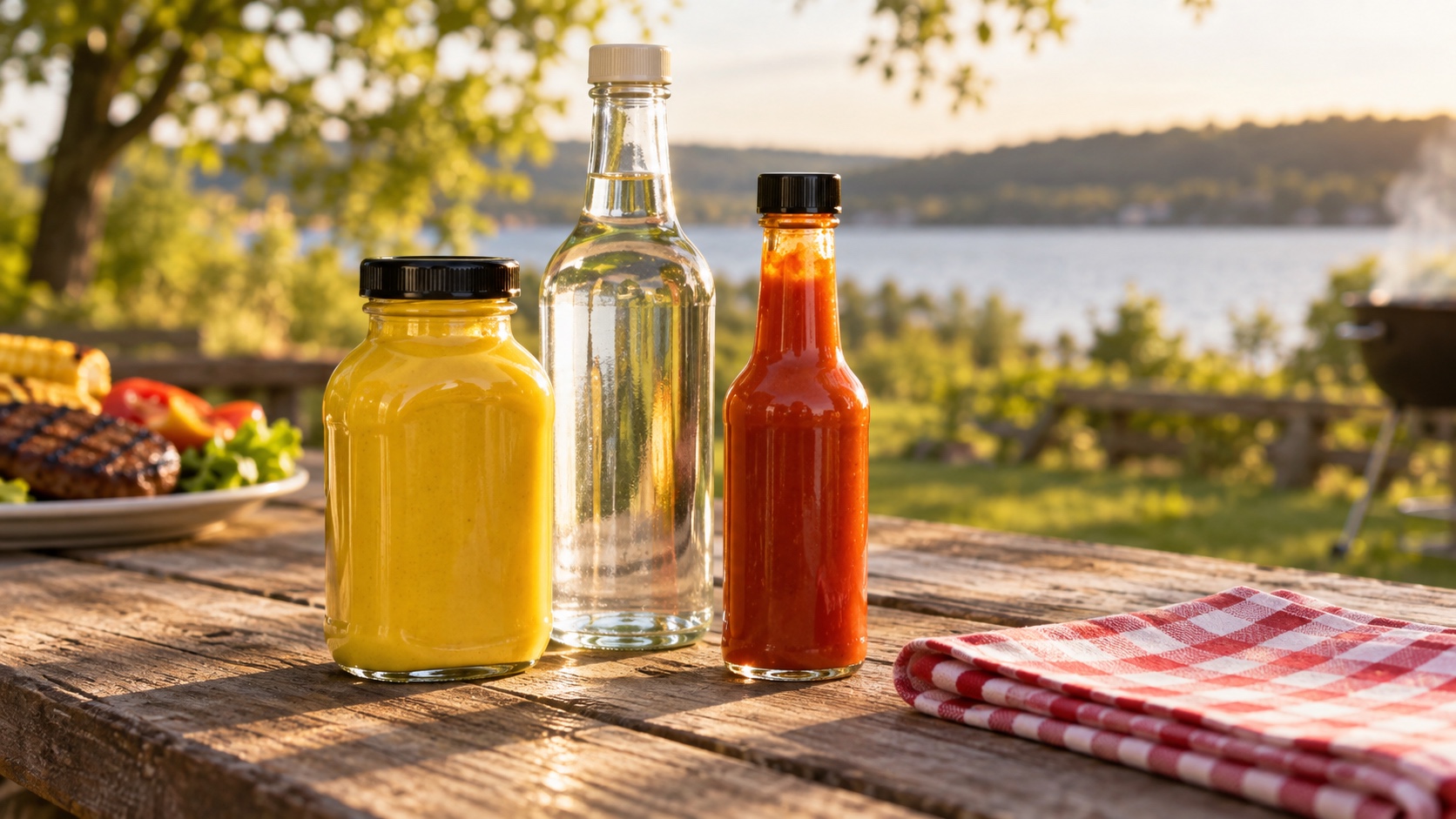
Best dollar-store candidate: a sauce you use slowly, not the mustard snapshot. Dollar General's 14-ounce mustard cost 7.1¢ per ounce, while Walmart's 20-ounce bottle cost 5¢. A smaller hot sauce may still be the smarter purchase if a large bottle would expire in your cabinet. At either dollar chain, compare fluid ounces and ingredients, then consider waste—not just bulk value.
8. Baking soda and flour
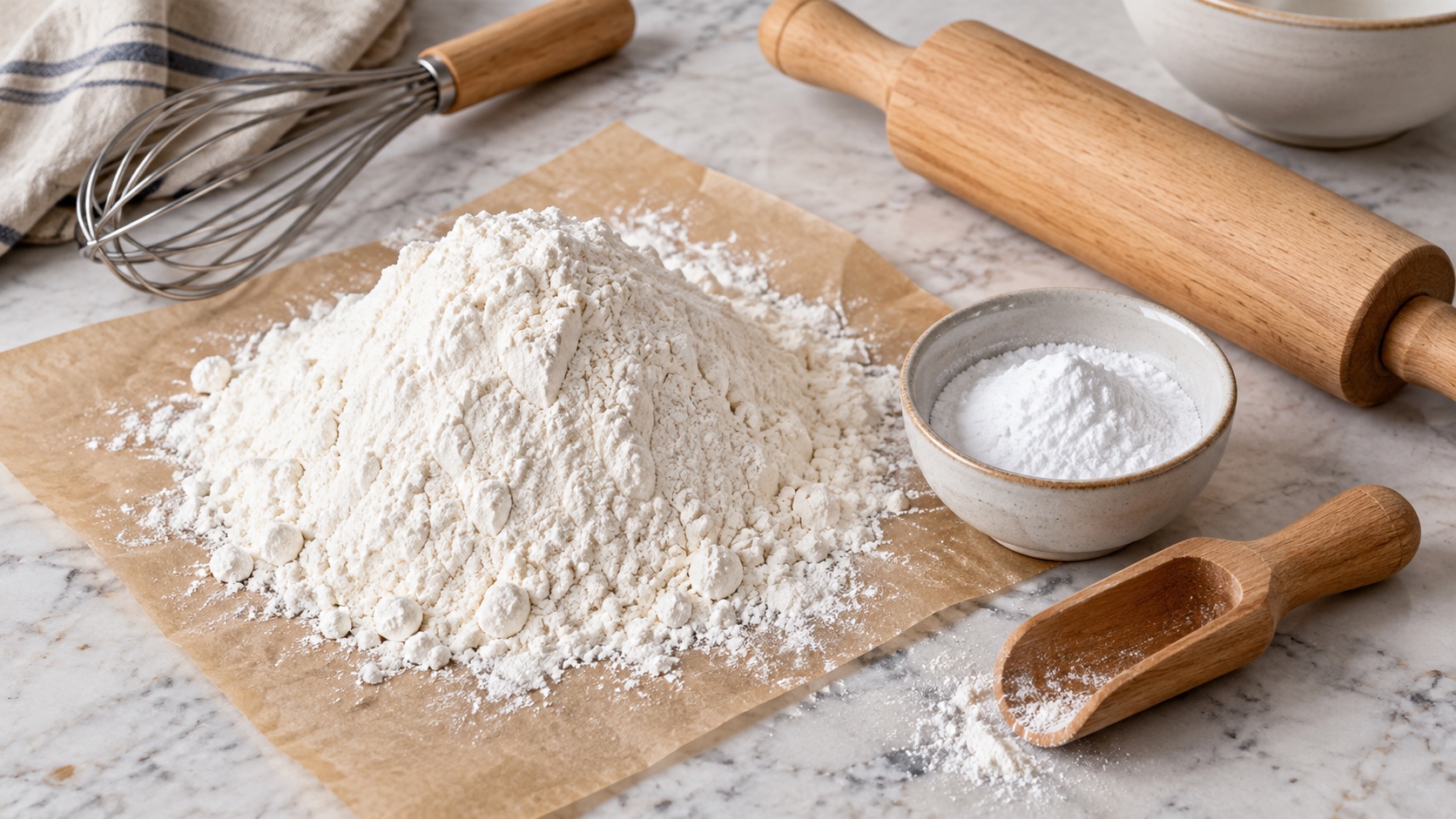
Check Dollar General for small baking needs. Its 16-ounce baking soda was $1, or 6.3¢ per ounce, while its five-pound flour was $2.65, or 3.3¢ per ounce. Compare those figures with the same leavener or flour type at Walmart or Aldi that day. Do not compare all-purpose flour with self-rising flour, and avoid torn paper bags or boxes with broken inner seals.
9. Popcorn
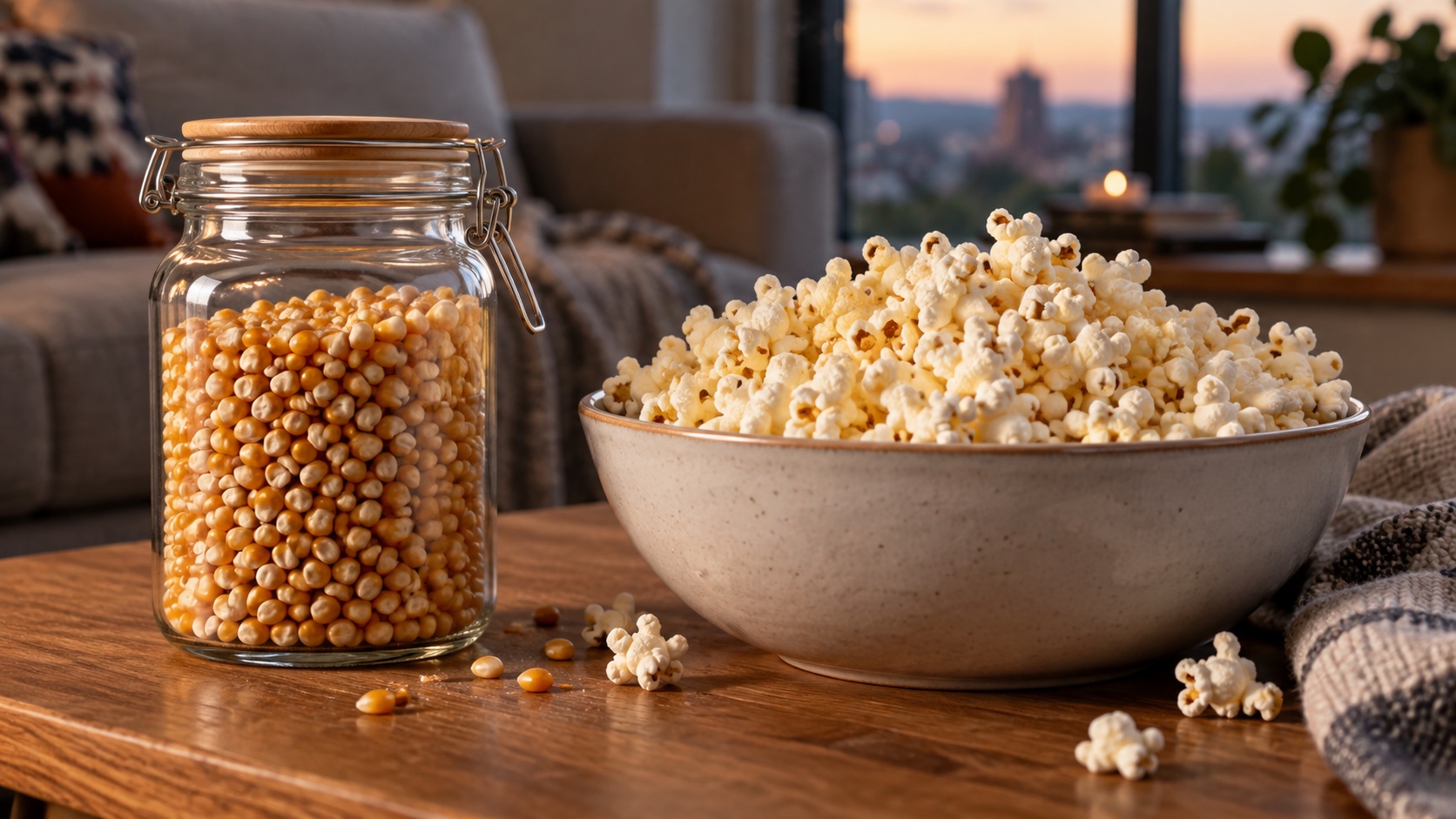
Best value format: plain kernels when the unit price wins. Dollar General also sells $1 microwave multipacks, but count the bags and note each bag's weight; “three bags” can hide very small portions. At Dollar Tree, compare the total net weight, not the size of the outer box. Plain kernels usually make the cleanest comparison because you are not paying for individual wrappers.
10. Herbal tea bags

Compare by bag and by ingredients. Divide price by the number of tea bags, then check whether each bag contains the same type and amount of tea. A $1.25 Dollar Tree box with 20 bags costs 6.25¢ per bag; it beats a $3 box with 20 bags, but not a 40-count supermarket box at $2. Buy intact, individually sealed bags if slow turnover or pantry humidity could affect freshness.
Food safety checks before you pay
The bargain shelf follows the same safety rules as any grocery aisle. The FDA says not to buy food in deeply dented, bulging, leaking, or rusted cans, or in opened, torn, or resealed packages. The USDA adds that a deep dent—especially at a can seam—can let bacteria enter. Keep shelf-stable foods cool and dry, and follow “Keep Refrigerated” labels.
Most “Best if Used By” dates describe quality rather than safety, but infant formula is a major exception. For perishable refrigerated foods, inspect the cold case, package seal, and date, then get the food home promptly. This guide favors shelf-stable products because their weights, storage requirements, and condition are easier to verify. For more ways to keep the whole trip economical, see our 10 ways to save more at the dollar store.
Frequently asked questions
Is food at Dollar Tree always $1.25?
No. Many items use the $1.25 entry price, but Dollar Tree also carries multi-price merchandise. Read the shelf tag.
How do I compare dollar-store groceries with Walmart or Aldi?
Divide price by ounces, fluid ounces, or count, then compare products with similar ingredients and formats.
Are dented cans safe to buy?
Skip cans that are bulging, leaking, rusted, deeply dented, or dented along a seam.
What is the simplest takeaway?
Buy the pantry staple only when its unit price wins, its package is intact, and the size matches what you will actually use.
Sources and price-check notes
Store-format information was checked against Dollar Tree's annual report and Dollar General's Clover Valley catalog. Price examples use the retailers' online product listings for Dollar General pasta, Walmart pantry staples, Dollar General diced tomatoes, and Walmart diced tomatoes. Prices and availability vary by location and can change after the check date.