10 Most Dependable 2023 Cars and SUVs by Segment

The clearest current answer for 2023 model-year shoppers is a group of ten cars and SUVs that won their respective segments in the 2026 J.D. Power U.S. Vehicle Dependability Study: Lexus IS, Toyota Corolla, Toyota Camry, Lexus UX, Chevrolet Equinox, Lexus GX, Toyota 4Runner, Buick Enclave, Cadillac XT6, and Chevrolet Tahoe. They are segment winners, not a head-to-head ranking from first through tenth.
That distinction matters. A compact sedan and a large SUV solve different problems, so declaring one universally “more reliable” would turn useful research into a misleading race. This guide starts with the study's overall winner, then moves from cars through progressively larger SUV segments. Within each entry, the verdict is practical: who the vehicle type suits, what the award supports, and what you still need to verify on a specific used example.
What “most dependable” means here
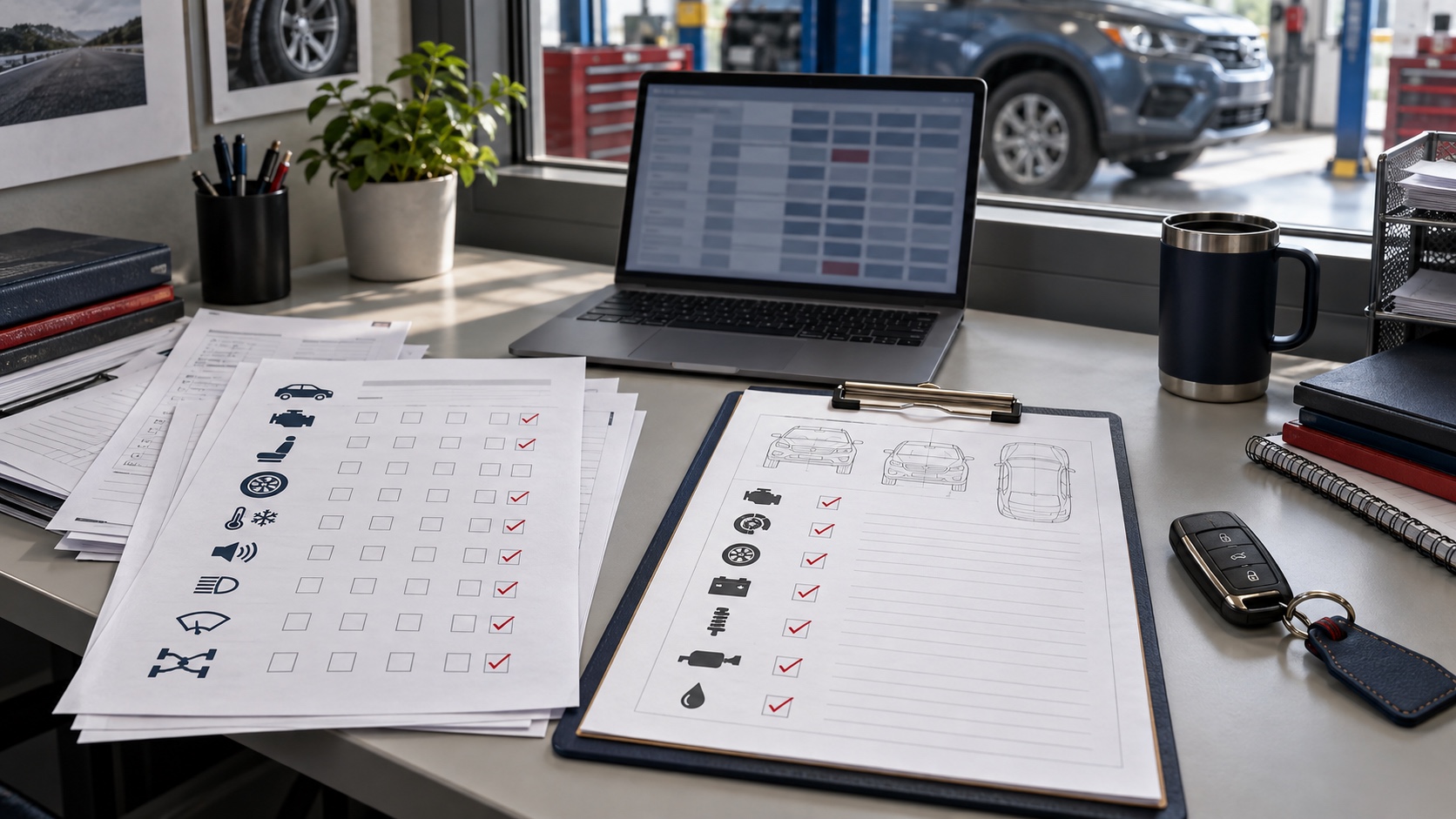
The 2026 J.D. Power U.S. Vehicle Dependability Study asked 33,268 original owners about 2023 model-year vehicles after three years of ownership. It was fielded from December 2024 through November 2025 and covered 184 specific problem areas across climate systems, driving assistance, driving experience, exterior, features and controls, infotainment, interior, powertrain, and seats.
Results are expressed as problems per 100 vehicles, or PP100; a lower figure is better. The 2026 industry average was 204 PP100. J.D. Power named the Lexus IS the most dependable model overall and published the leading models within eligible vehicle segments. The public results identify segment order and brand-level scores, but they do not publish a directly comparable PP100 score for every winning model. That is why this article does not invent numerical gaps or claim that the tenth entry had more problems than the second.
“Problem” is broader than a breakdown. Infotainment was the study's largest problem category, and phone integration contributed heavily to reported issues. A car can therefore earn a strong dependability result while still having model-specific recalls, accident damage, deferred maintenance, worn tires, or a troublesome individual history. The award tells you where a sensible shortlist can begin. It does not certify a vehicle on a dealer's lot.
The 10 segment winners
1. Lexus IS — compact premium car and overall study winner
Best for: a shopper who wants a smaller premium sedan and is comfortable with the running costs that can accompany a luxury badge. The 2023 Lexus IS did more than lead its compact premium car segment: J.D. Power named it the most dependable model in the entire 2026 study. That makes it the one defensible starting point for this list rather than an editorial favorite placed at No. 1.
The award still applies to the model year and surveyed ownership period, not every IS ever built. Confirm the exact trim and drivetrain, review service records, check tire wear across all four corners, and test every infotainment and driver-assistance function. A premium car with a strong survey result can still become expensive when routine maintenance has been postponed.
2. Toyota Corolla — compact car winner
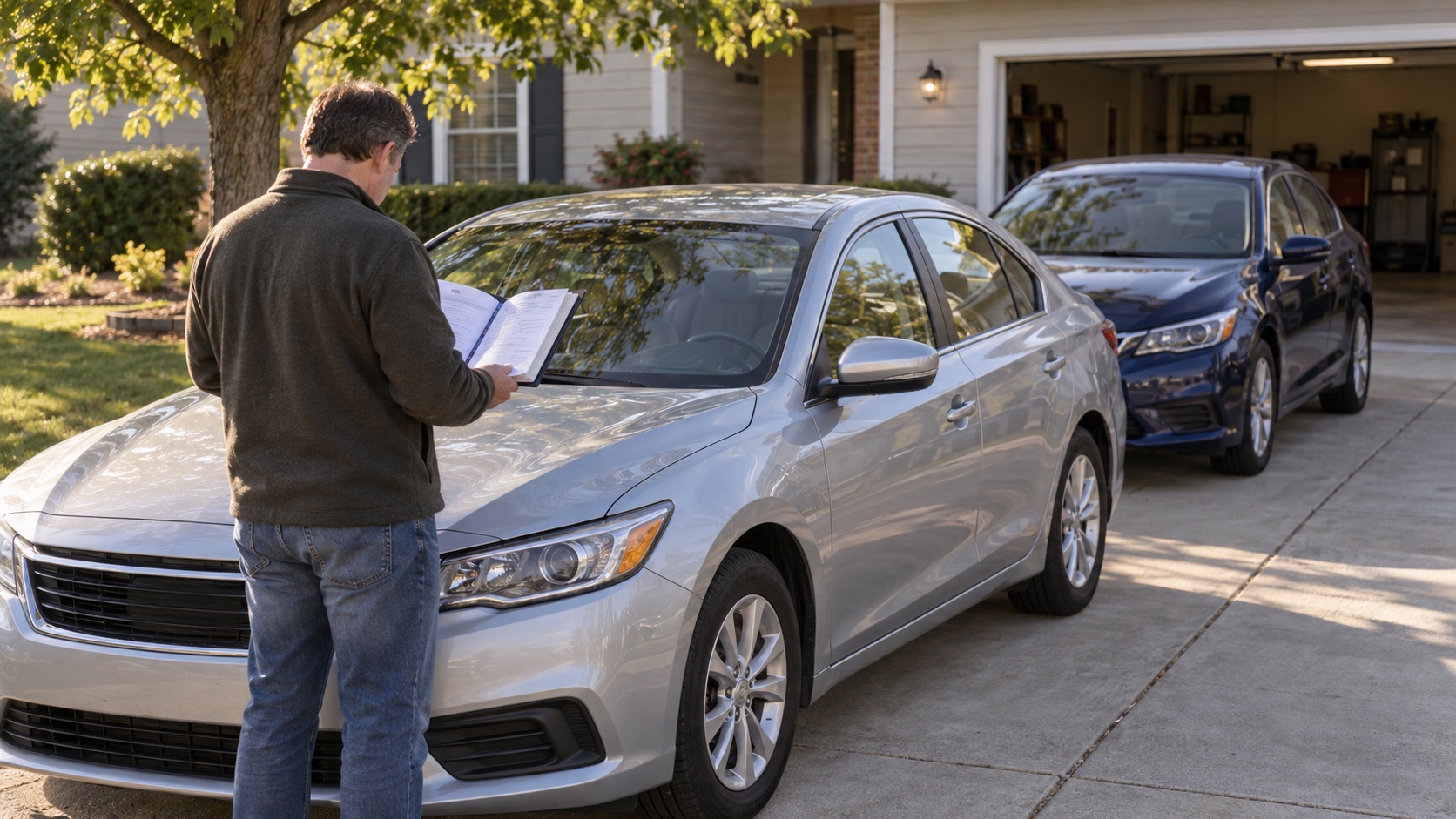
Best for: buyers whose priority is straightforward compact transportation rather than maximum passenger or cargo space. The 2023 Toyota Corolla ranked highest in the compact car segment, ahead of the Honda Civic and Kia Forte in the published segment chart. That result supports the Corolla's place on a used-car shortlist without turning every Corolla into an automatic purchase.
Compact cars often live hard urban lives, so look beyond the odometer. Inspect wheel and tire damage, bumper repairs, windshield chips, interior wear, and evidence of irregular maintenance. Verify that the title, VIN, service invoices, and seller's description all refer to the same configuration. A clean history and consistent care are stronger evidence than a badge on the trunk.
3. Toyota Camry — midsize car winner
Best for: drivers who want a larger sedan footprint than a compact car without moving into an SUV segment. The 2023 Toyota Camry ranked highest in the midsize car category. J.D. Power added an important footnote: no other model in that segment performed at or above the segment average under the study's award rules.
Do not stretch that finding into a claim about all generations or every powertrain. Ask for maintenance documentation appropriate to the exact engine and configuration, listen for noises on a cold start, and make sure warning lights illuminate during the startup check before going out. A meaningful test drive should include low-speed turns, rough pavement, braking, highway speed, and every cabin control you expect to use.
4. Lexus UX — small premium SUV winner
Best for: someone who wants a premium small-SUV format and does not need the space of a family-size crossover. The 2023 Lexus UX ranked highest in the small premium SUV segment. Its award is useful because it compares the UX with vehicles intended for a similar buyer, not with a full-size truck-based SUV.
Small premium crossovers can pack a great deal of technology into a compact cabin. Pair the road test with a slow systems check: phone pairing, cameras, parking sensors, seat controls, climate functions, and the instrument display. Confirm that any software updates and service campaigns were completed. Electronics that seem minor during a rushed viewing can become daily irritants—the exact kind of problem the study records.
5. Chevrolet Equinox — compact SUV winner
Best for: mainstream compact-SUV shoppers who value a widely useful size over a premium interior or heavy-duty capability. The 2023 Chevrolet Equinox ranked highest in the compact SUV segment, ahead of the Buick Envision and Subaru Forester in J.D. Power's published results.
Use the award to justify a closer look, then inspect the actual vehicle as if no ranking existed. Review oil-change intervals, fluid leaks, tire age, brake condition, previous body repairs, and dashboard warnings. Test the transmission from cold if possible and confirm that the seller has not cleared warning codes immediately before your visit. A pre-purchase diagnostic scan can add context, but it should complement—not replace—a mechanical inspection.
6. Lexus GX — midsize premium SUV winner
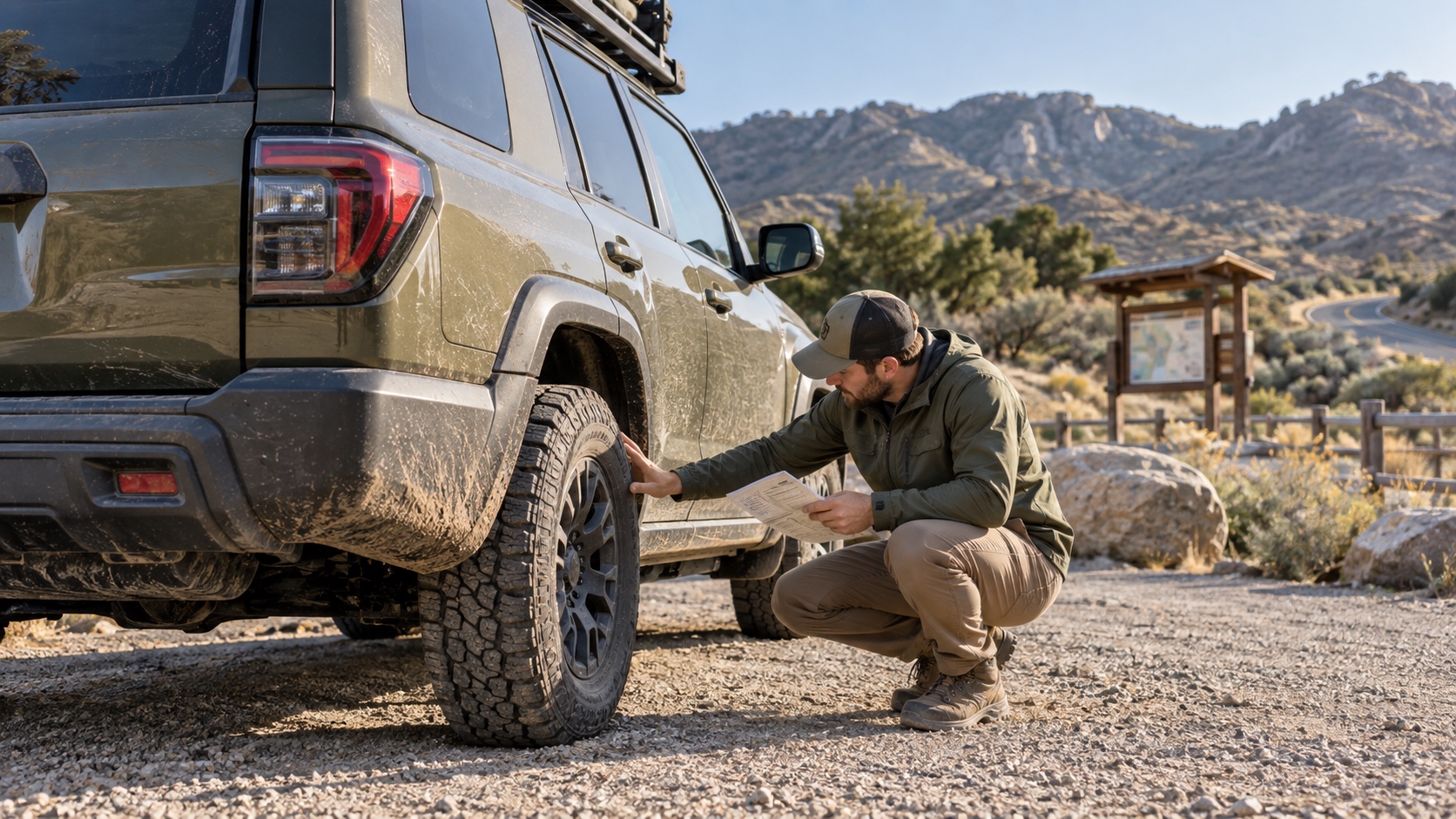
Best for: buyers who genuinely need a more rugged premium SUV and accept the fuel, tire, and maintenance implications of that choice. The 2023 Lexus GX ranked highest in the midsize premium SUV segment. That is a dependability result within its category, not proof that a larger, more complex vehicle will cost less to run than a compact car.
Look for evidence of how the GX was used. Uneven tire wear, underbody damage, neglected fluids, mismatched tires, aftermarket modifications, or heavy towing can change the risk of an individual vehicle. Confirm that added equipment was installed properly and that maintenance covered the systems used for four-wheel-drive operation. Buy the capability only if it solves a real need.
7. Toyota 4Runner — upper midsize SUV co-winner
Best for: shoppers seeking an upper midsize SUV with an emphasis on utility and rough-road ability. The 2023 Toyota 4Runner shared the highest rank in its segment with the Buick Enclave. A tie is not a problem to solve: these vehicles can serve very different priorities even though they led the same broad size category.
Inspect a used 4Runner for trail or towing wear rather than assuming a reputation protects it. Check the frame and underbody, suspension components, tires, brakes, and signs of water or impact damage. If the vehicle has accessories or a lifted suspension, ask who performed the work and whether the original parts are included. Modifications can affect alignment, component life, and insurability.
8. Buick Enclave — upper midsize SUV co-winner
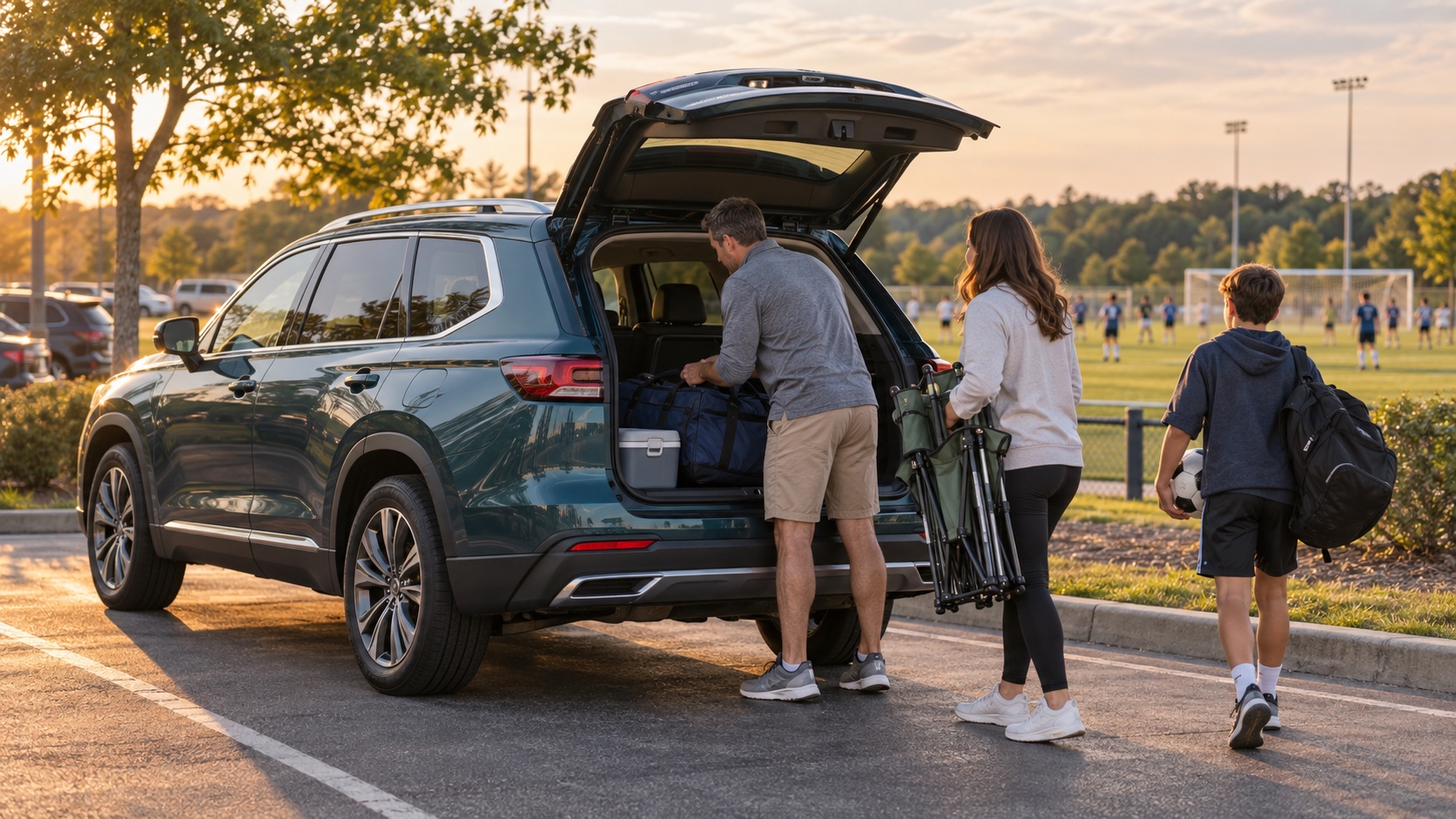
Best for: buyers who want an upper midsize crossover for family and cargo duties rather than the 4Runner's more rugged emphasis. The 2023 Buick Enclave tied the Toyota 4Runner for the highest rank in the upper midsize SUV segment. Its inclusion also fits the broader 2026 study: Buick was the highest-ranked mass-market brand at 160 PP100.
Family vehicles accumulate wear in places a short drive can hide. Operate every seating mechanism, climate zone, USB port, camera, liftgate function, and driver-assistance feature. Check for moisture beneath mats and in cargo wells, and inspect the condition and date codes of all tires. Confirm that the vehicle's maintenance history matches its mileage rather than accepting a freshly detailed cabin as evidence of care.
9. Cadillac XT6 — upper midsize premium SUV winner
Best for: someone comparing premium upper midsize crossovers and willing to inspect their added comfort and technology features carefully. The 2023 Cadillac XT6 ranked highest in that premium segment, ahead of the BMW X6 and Porsche Cayenne in the public chart.
The 2026 study found premium vehicles averaged more owner-reported problems than mass-market vehicles overall, so the XT6's segment win should not become a blanket “luxury is safer” conclusion. Test powered seats, displays, cameras, driver aids, lighting, climate controls, and phone integration individually. Price the tires and scheduled service before purchase; dependable does not mean inexpensive to maintain.
10. Chevrolet Tahoe — large SUV winner
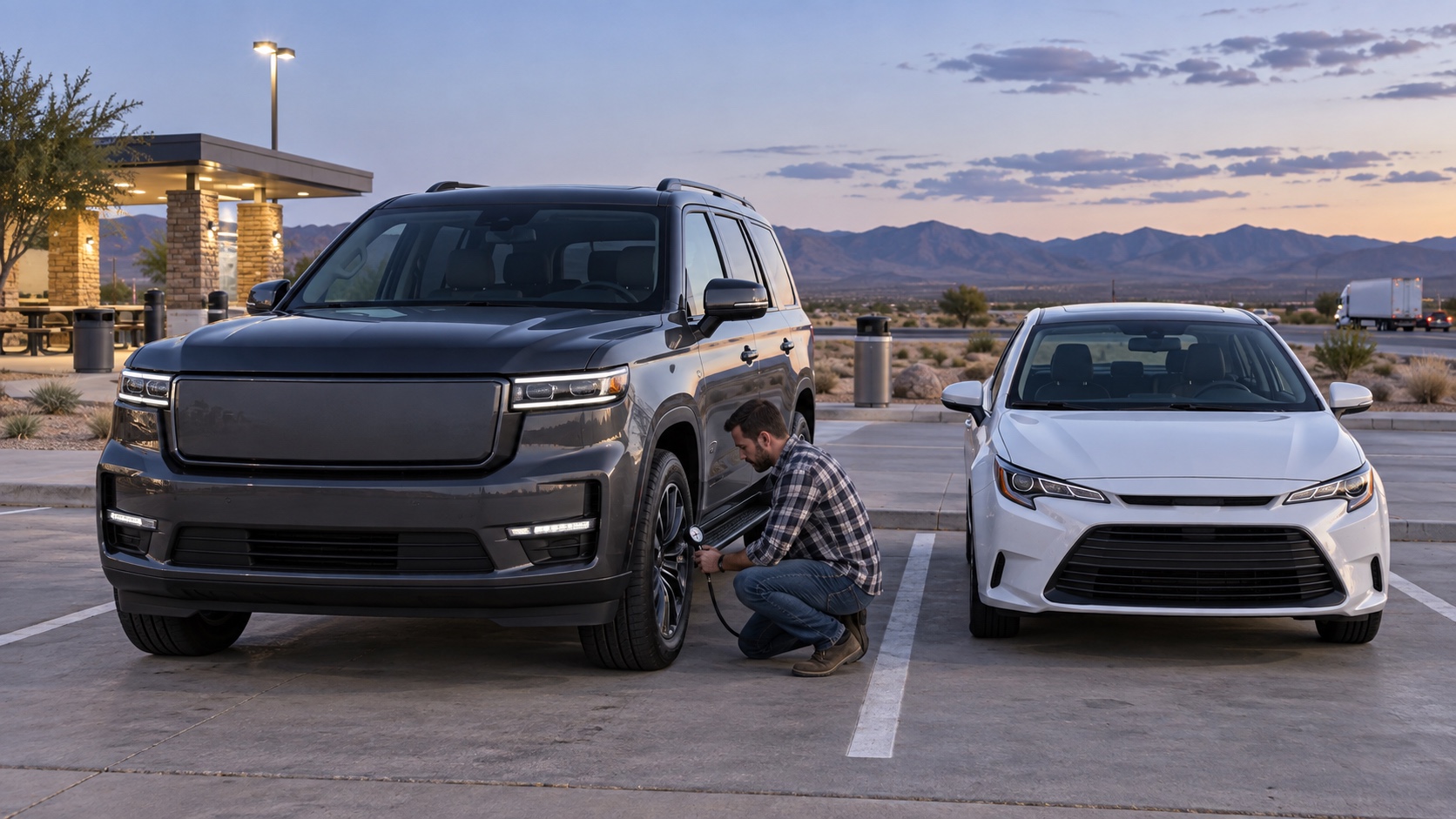
Best for: buyers who can explain why they need a large SUV's footprint and are prepared for the corresponding ownership costs. The 2023 Chevrolet Tahoe ranked highest in the large SUV segment. As with the Camry, J.D. Power noted that no other model in this segment performed at or above the segment average under its eligibility rules.
Size adds inspection points. Check tire age and matching specifications, brake feel, suspension response, parking cameras, interior wear, towing equipment, and evidence of fleet or heavy-duty use. Obtain insurance and maintenance estimates before negotiating. A lower problem count within the large-SUV segment does not make the Tahoe equivalent to a compact car in fuel use, consumables, or ease of ownership.
How to use reliability data when shopping used
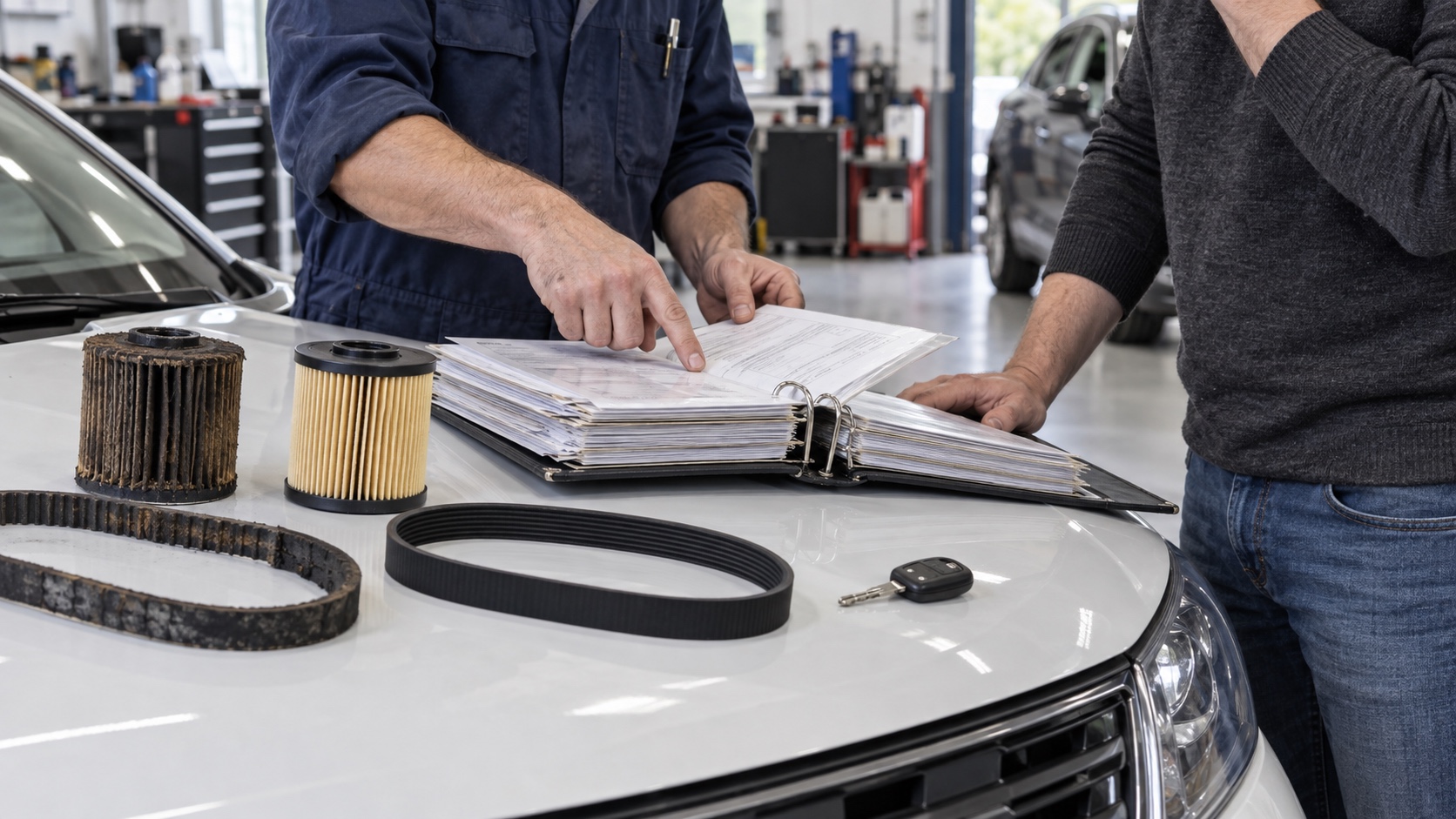
Start with the exact model year. The 2026 VDS studied 2023 vehicles; it does not automatically award the same result to a redesigned 2025 model or an older generation with different components. Compare the VIN, trim, drivetrain, and equipment with the advertisement and records. If a seller cannot explain gaps in the history, treat the missing evidence as uncertainty rather than filling it with the model's reputation.
Next, use the official NHTSA recall lookup. A year-make-model search shows general recalls and investigations, while a VIN or license-plate search can identify unrepaired recalls for a specific vehicle from participating manufacturers. NHTSA explains that safety recalls require a manufacturer remedy, commonly a repair or replacement, at no charge. Recall status is a safety check, not a reliability score, and a vehicle with completed recall work is different from one with an open remedy.
Then compare documents with physical condition. Service records should align with mileage and recommended maintenance. A history report may reveal reported events, but it cannot prove that every repair or incident was recorded. Inspect the body in consistent light, look underneath, scan for diagnostic codes, and take a long enough test drive to use the engine, transmission, brakes, steering, suspension, climate system, displays, cameras, and phone connection.
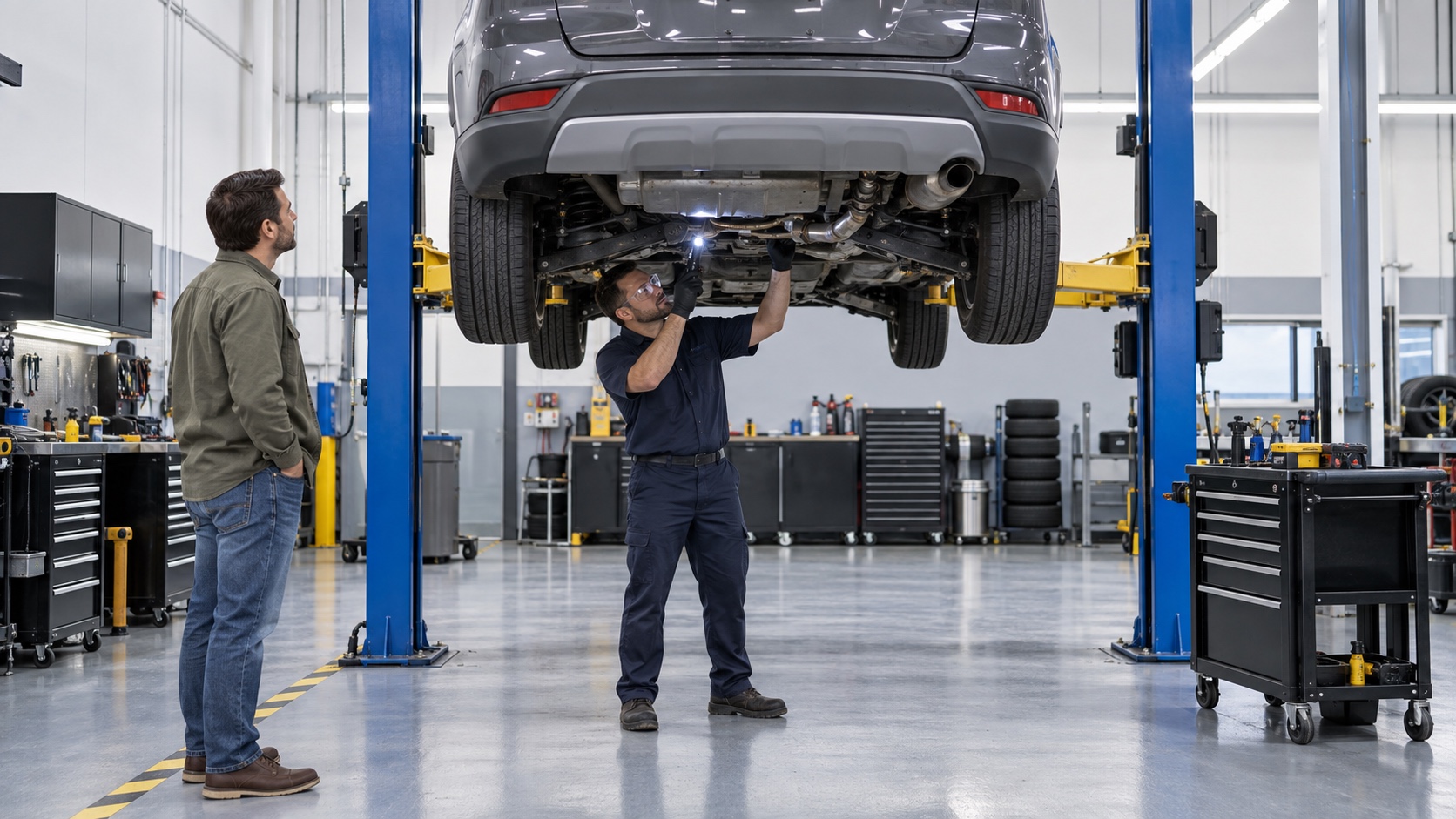
Finally, pay for an independent pre-purchase inspection before the sale becomes emotionally difficult to abandon. Give the mechanic the VIN, history report, service records, and any concern you noticed. Ask for estimates on immediate work and near-term wear items. Our guide to car service timing can help frame maintenance questions, while the manufacturer's schedule governs the exact vehicle. If you are comparing the economics of new and used ownership in another market, the evidence-first checklist in our used-car buying guide shows why condition, seller status, insurance, and inspection belong in the same decision.
The useful takeaway is not that one badge guarantees an easy life. These ten 2023 models earned credible segment-level recognition after three years of owner reports. That is strong shortlist evidence. The winning purchase is still the vehicle whose history, condition, recall status, inspection, running costs, and intended use agree with one another.
Sources and verification
Study methodology, sample size, fielding period, PP100 figures, brand results, model awards, segment placements, ties, and eligibility notes were checked on September 21, 2026 against the official J.D. Power 2026 U.S. Vehicle Dependability Study press release and its published segment chart. Recall guidance and VIN lookup behavior were checked against NHTSA. Study results and recall status can be updated; repeat the VIN and vehicle-history checks immediately before buying.