10 SUVs Under $40,000 in 2023: A Fact-Checked Ranking

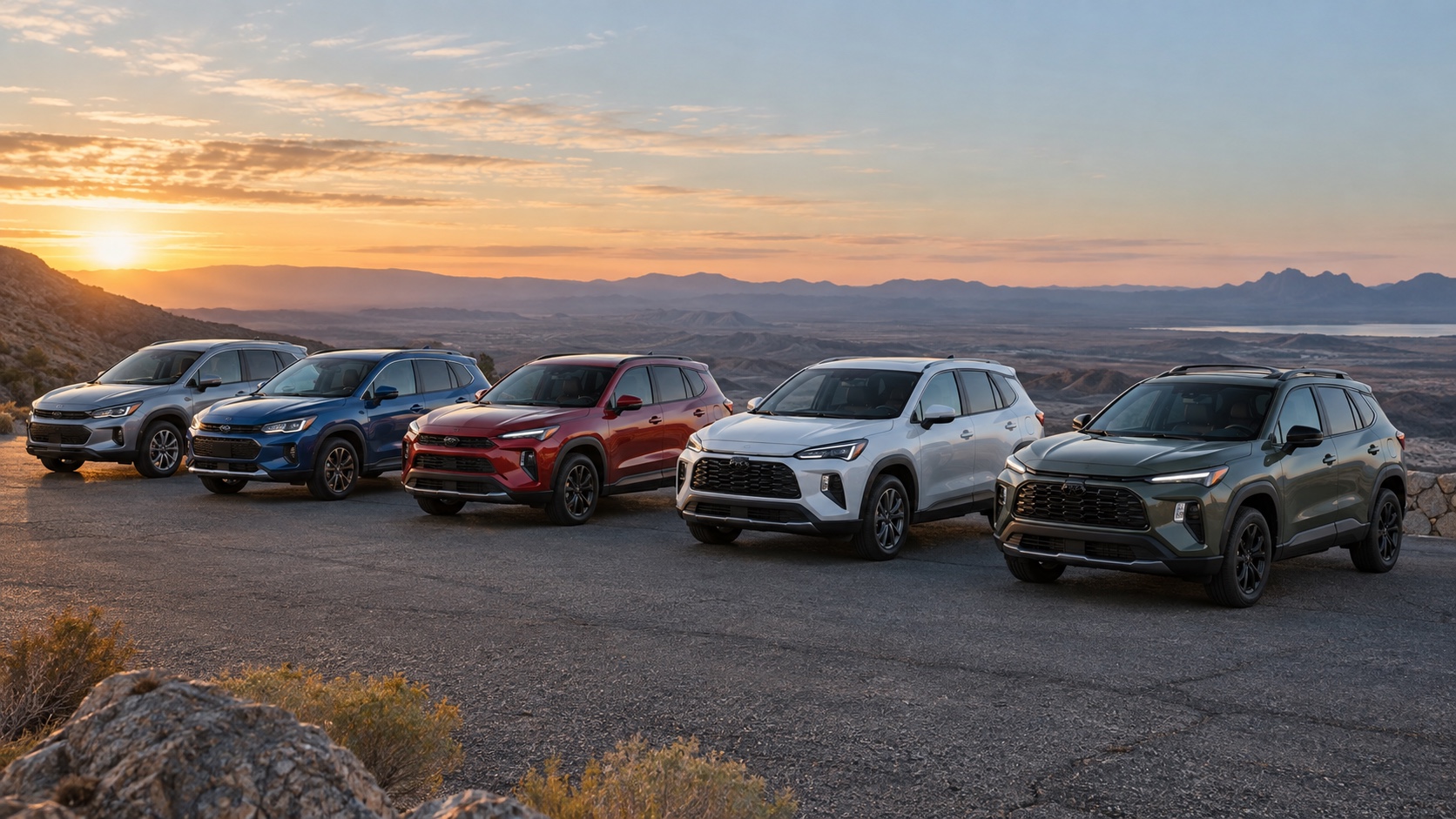
The Toyota RAV4 Hybrid, Kia Sportage Hybrid, and Ford Escape Hybrid were the strongest all-around choices on this 2023 under-$40,000 shortlist. The Subaru Crosstrek made more sense for standard all-wheel drive, while the Honda HR-V and Hyundai Kona suited smaller-space priorities. Two names in the original list need an immediate correction: the Nissan Rogue Sport ended after model year 2022, and the redesigned Trax sold during 2023 was officially a 2024 model.
This is a fact-check of a model-year 2023 shopping list, not current purchase advice or a reliability guarantee. We ranked the valid new-vehicle choices using the same four criteria: base MSRP below $40,000 before destination and options, fuel economy, everyday space, and the usefulness of the available drivetrain. Prices and specifications were checked against manufacturer releases and U.S. government data in September 2026; used-car condition and today's transaction price still require a vehicle-specific check.
How the 2023 SUVs compare
| Rank | Model | Best for | Main trade-off |
|---|---|---|---|
| 1 | Toyota RAV4 Hybrid | Balanced hybrid utility | Top trims approached the cap before fees |
| 2 | Kia Sportage Hybrid | Space and hybrid value | AWD models used more fuel than FWD |
| 3 | Ford Escape Hybrid | Efficient commuting | Options could erase the price advantage |
| 4 | Subaru Crosstrek | Standard AWD and rough-road clearance | Base engine was modest |
| 5 | Honda HR-V | Simple small-SUV packaging | Lower fuel economy than the hybrids |
| 6 | Volkswagen Tiguan | Passenger room | Three-row packaging involved compromises |
| 7 | Hyundai Kona | City parking and feature choice | Less rear and cargo space |
| 8 | Jeep Compass | Standard 4x4 in 2023 | Capability mattered more than efficiency |
| 9 | 2024 Chevrolet Trax | Low-cost space, if model-year purity did not matter | FWD only; not a 2023 model |
| 10 | 2022 Nissan Rogue Sport | Used-market shoppers | Not produced for model year 2023 |
1. Toyota RAV4 Hybrid: best all-around balance
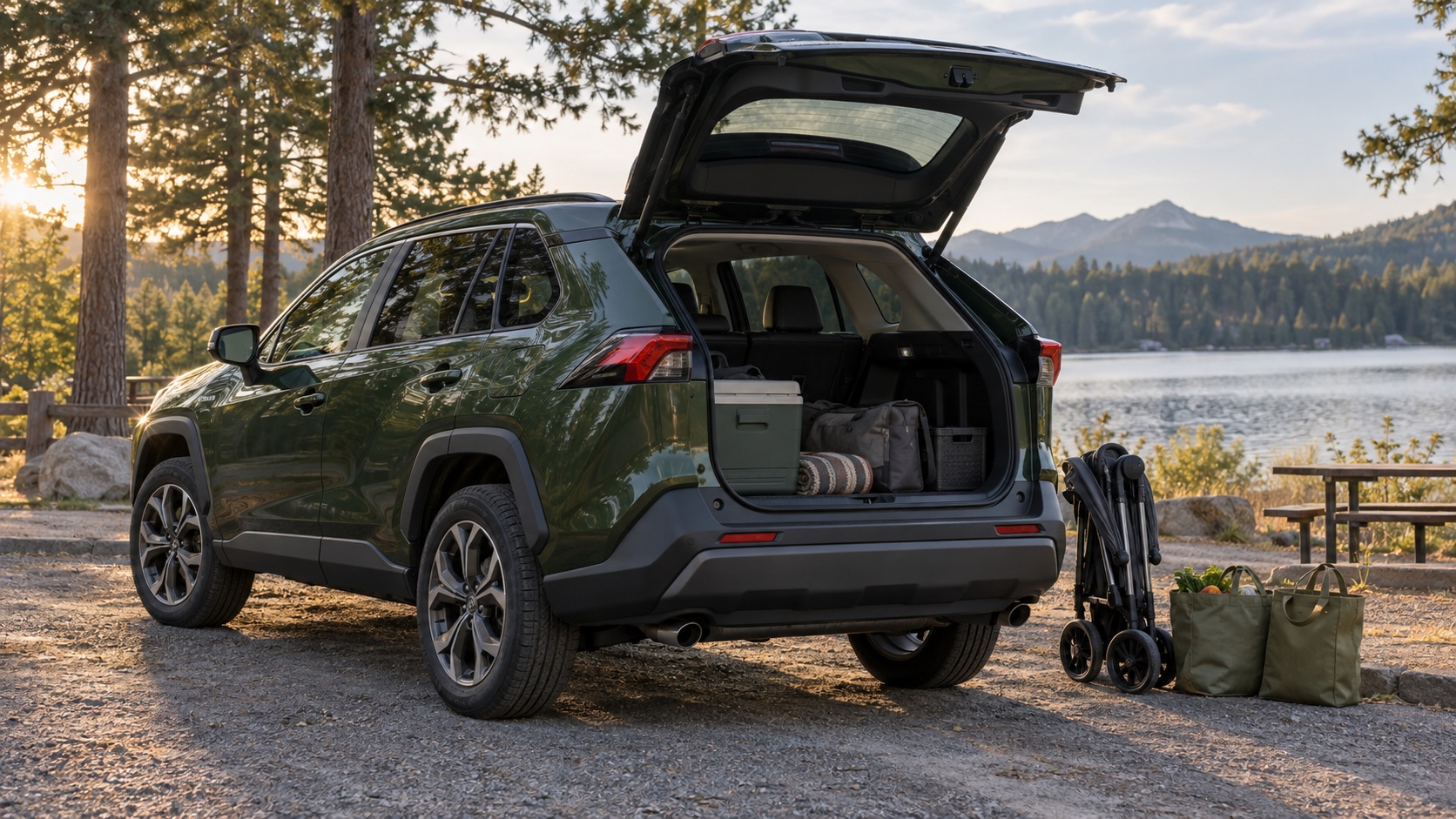
Best for: buyers who wanted hybrid fuel economy without giving up compact-SUV utility. Toyota's 2023 pricing placed the RAV4 Hybrid LE at $30,225 and even the Hybrid Limited at $38,530 before delivery, processing, options, taxes, and dealer charges. Every hybrid grade used electronic on-demand all-wheel drive and a 219-horsepower hybrid system.
That combination earns the top spot: the RAV4 Hybrid did not win every individual measure, but it covered commuting, cargo, and poor-weather traction with the fewest structural compromises. The caveat is price discipline. A Limited model was already close to the ceiling before fees, so shoppers using a strict $40,000 out-the-door budget needed to stay lower in the range. Toyota's archived 2023 RAV4 pricing table is the relevant historical source.
2. Kia Sportage Hybrid: best mix of space and value
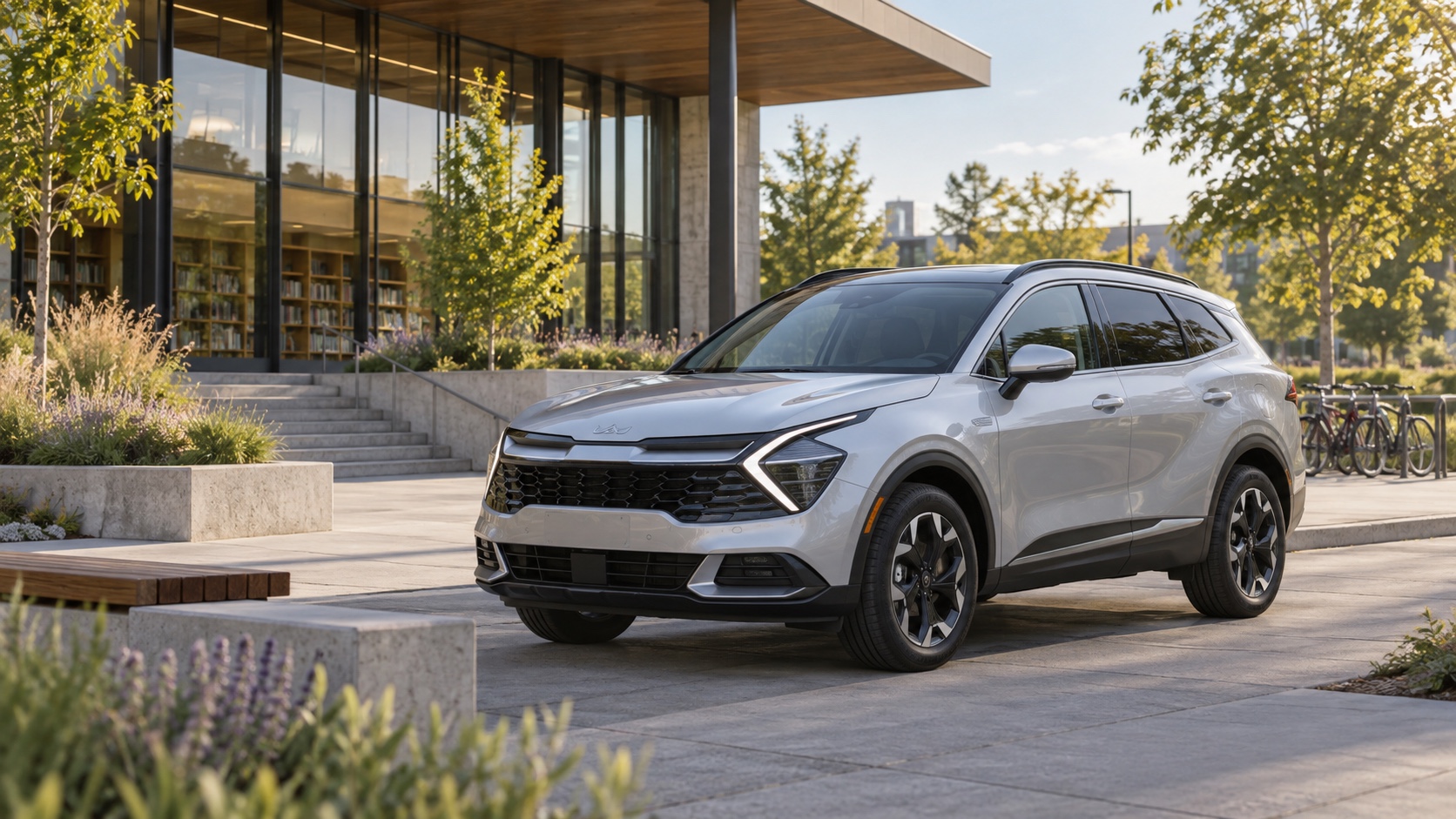
Best for: families prioritizing rear-seat and cargo room at a mainstream price. Kia listed the 2023 Sportage Hybrid from $27,290 for the LX FWD to $36,190 for the SX-Prestige AWD, excluding destination. Its hybrid system produced 227 horsepower, while the FWD LX carried a higher fuel-economy rating than the AWD versions.
Kia's own specification sheet separates the claims clearly: up to 43 mpg combined for FWD and 38 mpg combined for AWD. That makes drivetrain choice more important than the generic “around 36 mpg” claim in the old article. The cabin and power figures made this a strong number two, but an AWD shopper should compare it directly with the standard-AWD RAV4 Hybrid. See Kia's official 2023 Sportage Hybrid overview and specifications.
3. Ford Escape Hybrid: best for an efficient daily commute
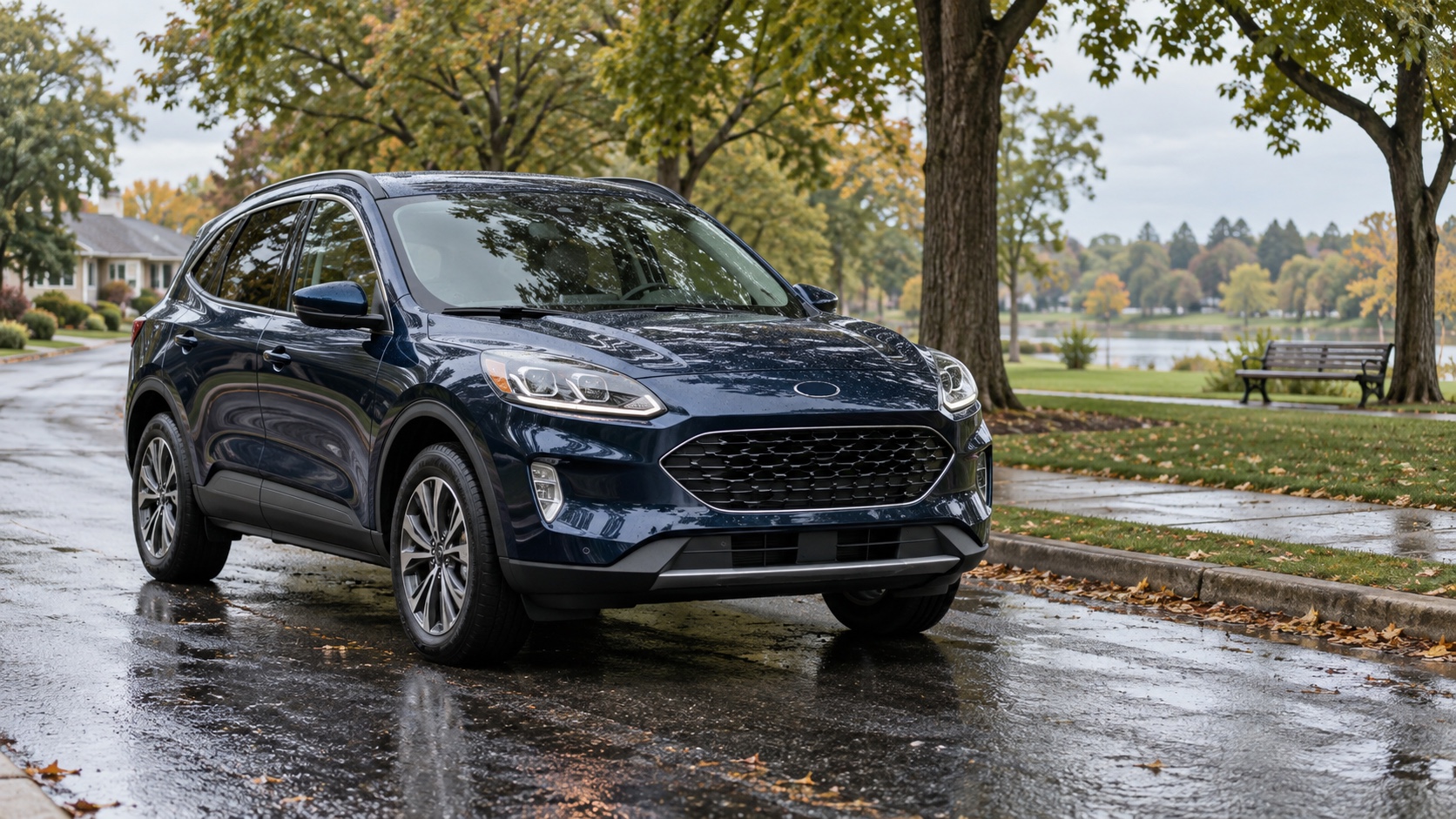
Best for: commuters who wanted a conventional hybrid and an easy-to-manage footprint. Ford offered both full-hybrid and plug-in-hybrid versions for 2023, along with a sliding second row that let owners trade rear legroom for cargo space. That flexibility was more concrete than calling the interior either “cheap” or “refined,” both of which are subjective judgements.
The Escape sits below the Kia because trim and option choices could move the price quickly, and shoppers needed to distinguish the regular hybrid from the plug-in hybrid. The full hybrid was the straightforward no-charging choice; the plug-in suited drivers able to use its electric range. Ford's archived 2023 Escape launch information documents the two hybrid systems and sliding rear seat.
4. Subaru Crosstrek: best for standard AWD
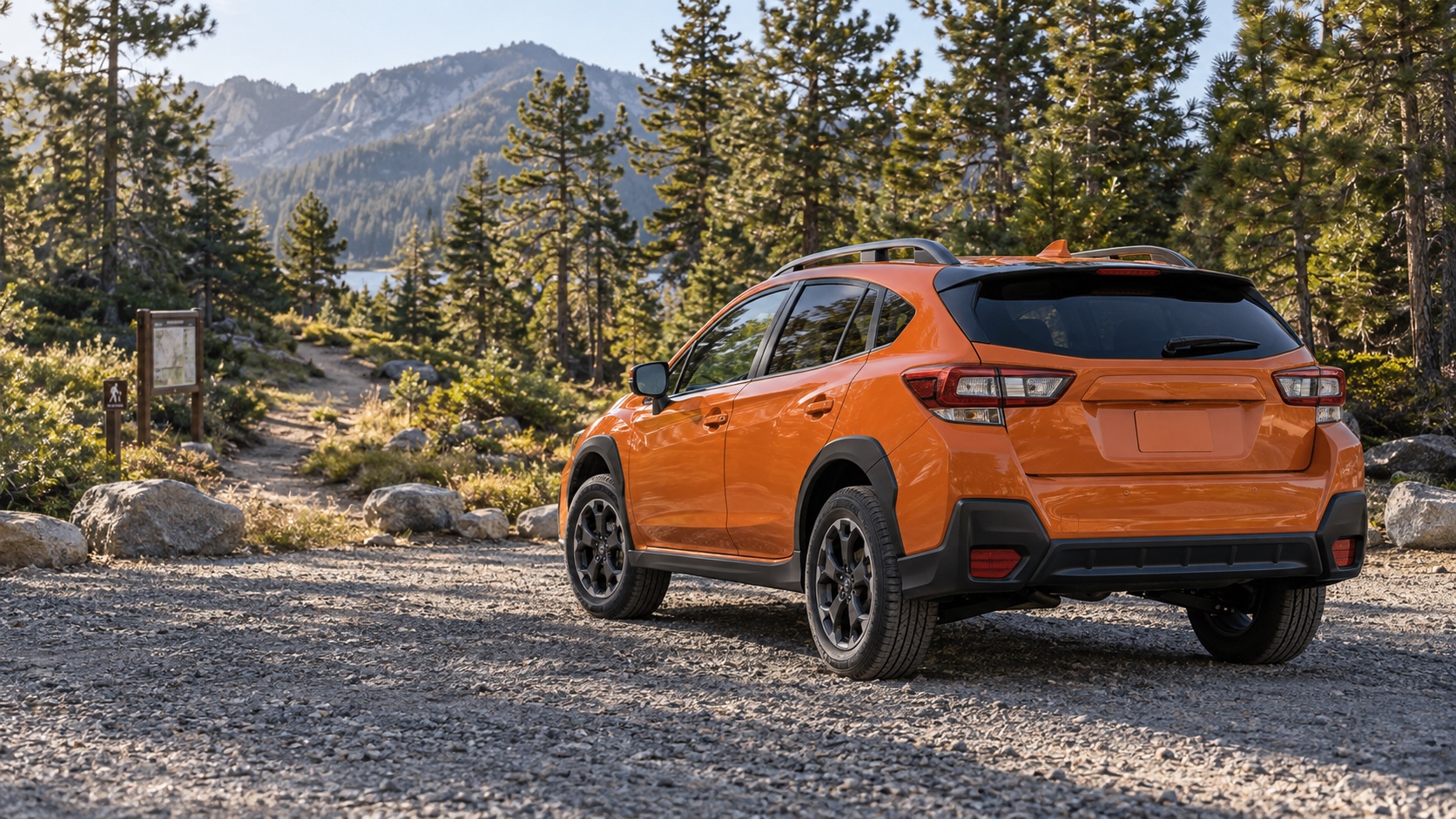
Best for: drivers who valued standard all-wheel drive and extra clearance more than maximum power. Subaru priced the 2023 Crosstrek from $23,645 before destination and fitted every version with Symmetrical All-Wheel Drive and 8.7 inches of ground clearance. The base 2.0-liter engine made 152 horsepower; Sport and Limited trims received a 182-horsepower 2.5-liter engine.
The 2.5-liter grades were the better fit for shoppers concerned about relaxed passing power, while the 2.0-liter CVT versions carried a 30-mpg combined EPA estimate. Manual-transmission versions were less efficient and did not receive the same driver-assistance package. Subaru's company-issued 2023 Crosstrek pricing release records those distinctions.
5. Honda HR-V: best for straightforward small-SUV packaging
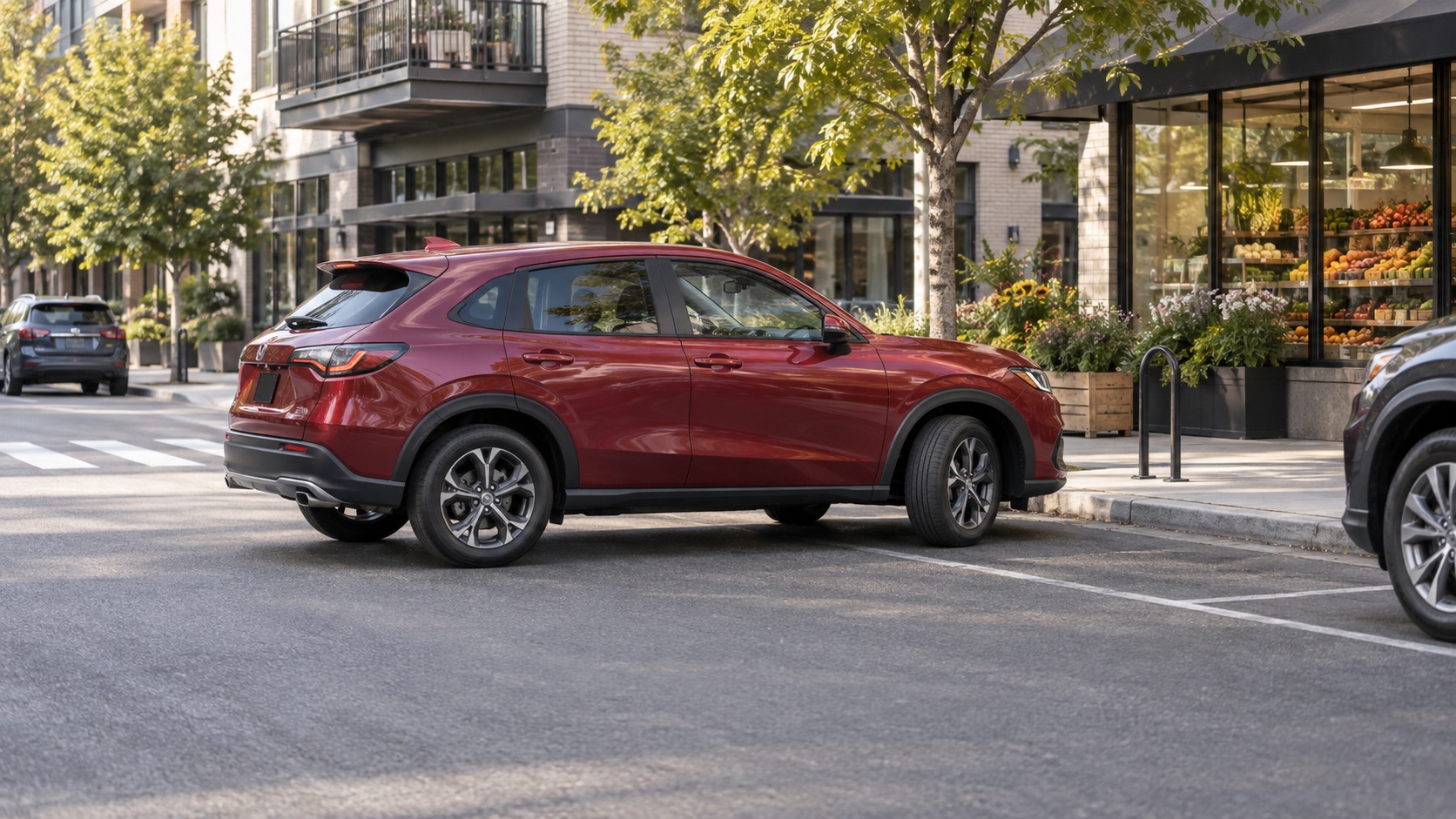
Best for: buyers who wanted a conventional gasoline crossover with a roomy cabin and available AWD. The redesigned 2023 HR-V started at $23,650 before destination. It used a 2.0-liter engine, CVT, independent rear suspension, and standard Honda Sensing; all-wheel drive was optional on each trim.
The old article incorrectly described a 1.8-liter engine from the prior generation. Honda rated the new FWD model at 28 mpg combined and AWD versions at 27 mpg combined, so it was not a fuel-economy rival to the hybrids above. Its case was packaging and simplicity, not class-leading acceleration. Honda's company release includes the 2023 HR-V prices and EPA ratings.
6. Volkswagen Tiguan: best when passenger room comes first
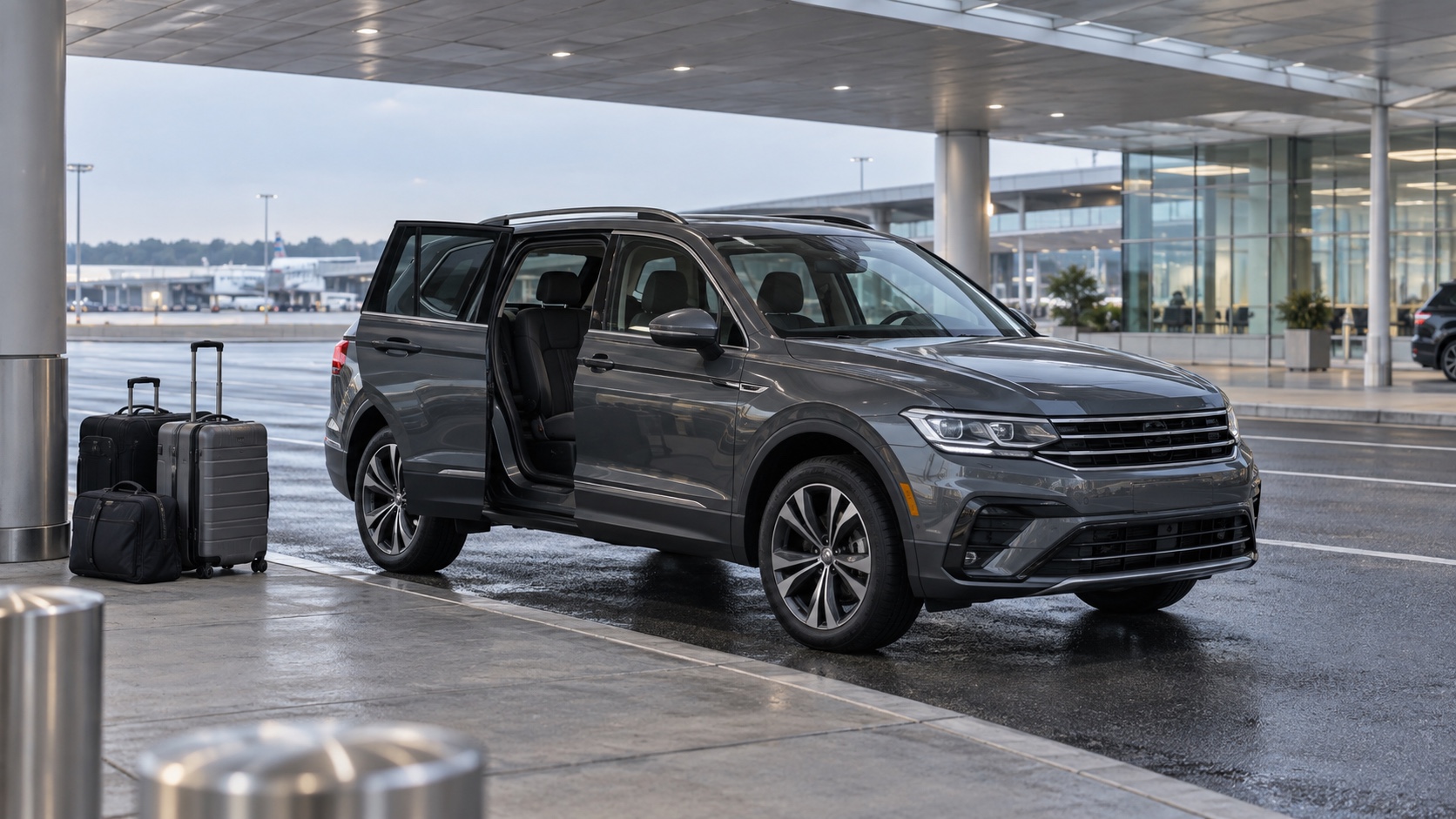
Best for: shoppers who wanted one of the roomier cabins in the compact class. The 2023 U.S. Tiguan used a turbocharged 2.0-liter four-cylinder and an eight-speed automatic. Front-wheel-drive versions could be configured with a small third row, while all-wheel-drive versions used two rows.
That third row was an occasional-use feature, not a substitute for a midsize three-row SUV, and the trade-off should be stated before the benefit. The Tiguan ranked below the HR-V because its packaging choice was more specialized and fuel economy was not a hybrid strength. Buyers comparing vehicle classes can also use our guide to cars that stretch a purchase budget to decide whether they need SUV space at all.
7. Hyundai Kona: best for city-size versatility
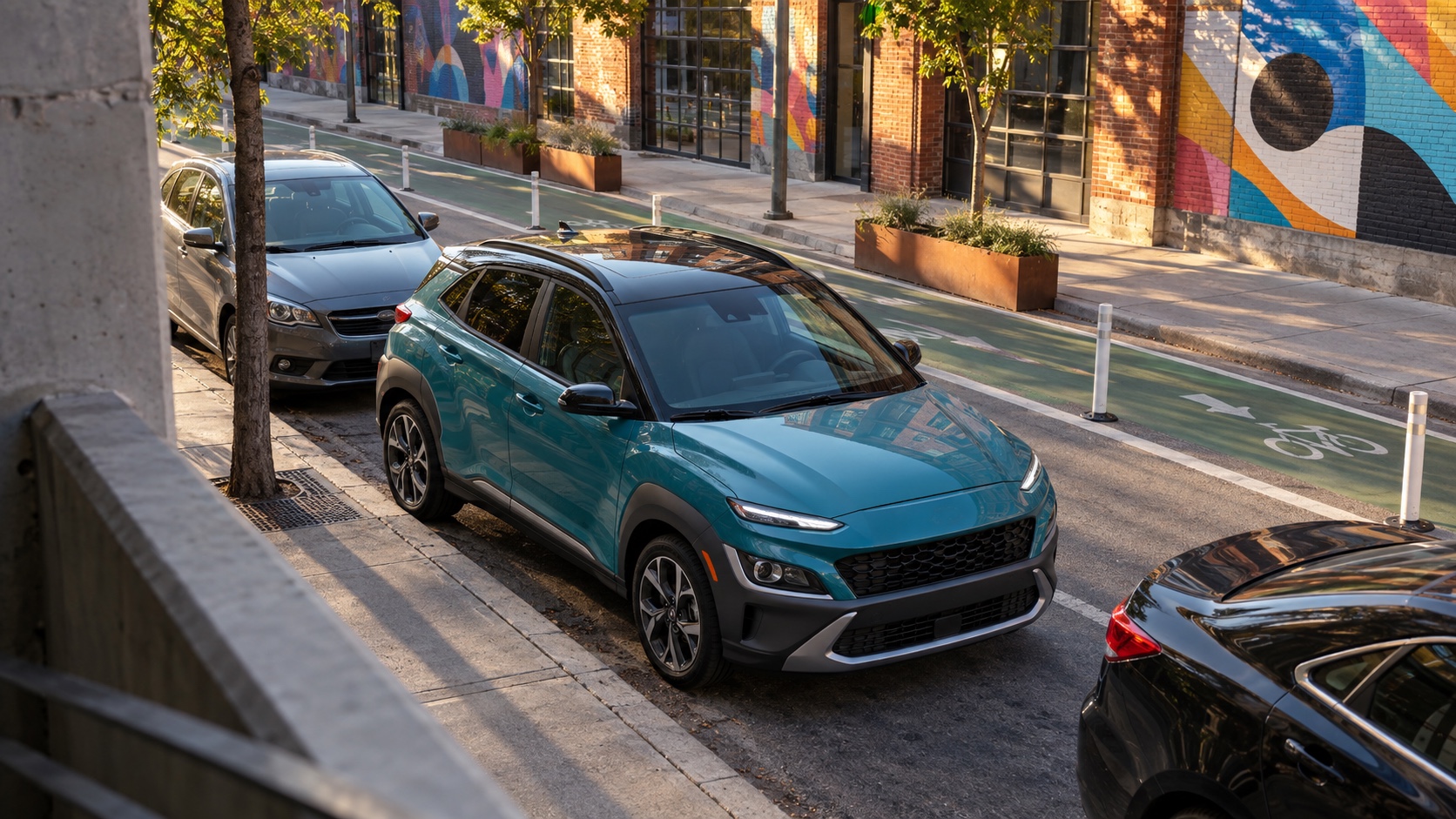
Best for: drivers who prioritized a short exterior footprint, available AWD, and a choice of engines. Hyundai described the U.S. 2023 Kona as a carry-over model. Blind-spot collision avoidance, rear cross-traffic collision avoidance, and safe-exit warning became standard, while upper trims offered more power and technology.
The Kona belonged below the roomier compact SUVs because its city-friendly dimensions also limited rear-seat and cargo space. Buyers should also avoid confusing this first-generation 2023 model with the larger second-generation Kona introduced afterward. Hyundai's official 2023 model-year change guide documents the U.S. features.
8. Jeep Compass: best for standard 4x4 capability
Best for: buyers who genuinely used standard four-wheel drive and valued the Trailhawk's extra hardware. The 2023 Compass replaced the old 2.4-liter engine and transmissions described in the original article. Every U.S. version instead received a 200-horsepower 2.0-liter turbo, an eight-speed automatic, and Jeep Active Drive 4x4.
That correction improves the Compass's case, but capability should not be confused with universal value. A commuter who never benefits from the system may prefer the efficiency and packaging of the hybrids above. Jeep's official Stellantis release confirms the 2023 powertrain and 4x4 changes.
9. Chevrolet Trax: strong value, wrong model year
Best for: shoppers buying during calendar 2023 who did not require AWD and were comfortable considering a 2024-model vehicle. Chevrolet launched the redesigned 2024 Trax in spring 2023 with a $21,495 starting MSRP including destination. It was larger and roomier than the outgoing model, but remained front-wheel drive only.
Calling it a 2023 Trax would be inaccurate, so it cannot rank alongside the valid model-year 2023 choices without a label. It remains in this fact-check because its on-sale timing explains why it appeared in 2023 shopping conversations. Chevrolet's official release states the 2024 model designation and starting price.
10. Nissan Rogue Sport: used only, not a 2023 model
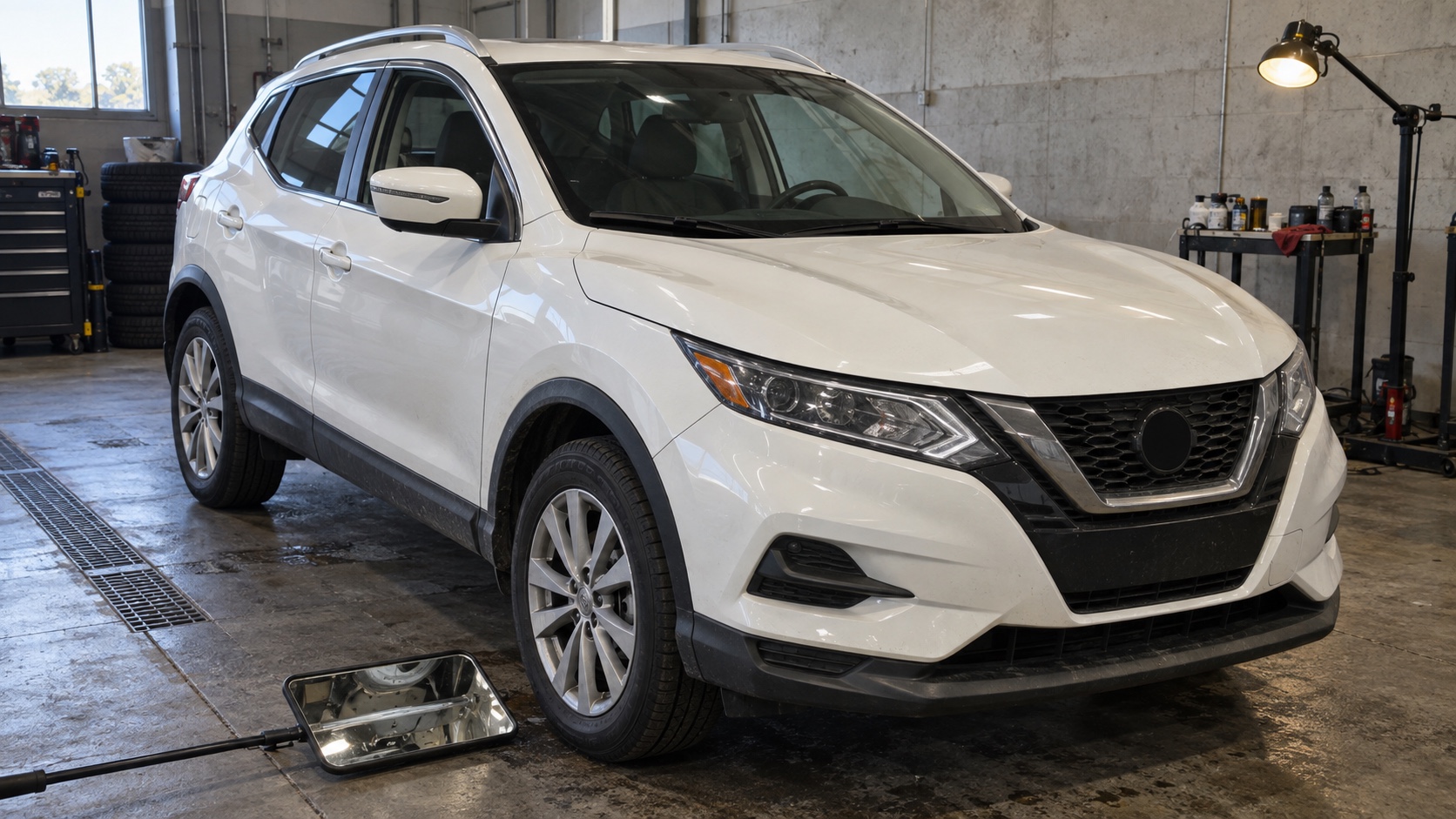
Best for: used-vehicle shoppers who find a well-documented example at a sensible price. Nissan now states plainly that 2022 was the Rogue Sport's final production year. The discontinued model used a 141-horsepower 2.0-liter engine, seated five, and offered up to 61.1 cubic feet of cargo room with the rear seats folded.
It therefore does not qualify as a new 2023 SUV, regardless of how long unsold inventory remained on dealer lots. A used Rogue Sport should be evaluated on condition, service history, recall completion, and price rather than its former place in a list. Nissan's discontinued Rogue Sport page is the primary source for its final model year. Our reliability comparison framework explains why a model reputation never replaces a vehicle-specific inspection.
What the $40,000 ceiling did—and did not—mean
MSRP was only a screening tool. Destination charges, factory options, dealer add-ons, taxes, registration, insurance, financing, and market adjustments could move the transaction total above $40,000. Fuel economy also varied by drivetrain and trim. The honest comparison uses the exact configuration on the window sticker, not the model's lowest advertised number.
For a used example today, compare maintenance records, recall status, tire age, battery condition on a hybrid, and an independent inspection. Then price insurance for the exact VIN. If you are weighing an older vehicle against a new one, our guide to the benefits and trade-offs of buying used provides a general decision framework; local laws and consumer protections still differ.
Sources and verification
Model-year status, launch timing, MSRP, drivetrain, power, and fuel-economy claims were checked in September 2026 against archived releases or product pages from Toyota, Kia, Ford, Subaru, Honda, Hyundai, Stellantis/Jeep, Chevrolet, and Nissan. The ranking itself is an editorial judgement using the four criteria stated above. It is not a durability study, road test, safety ranking, or claim that any vehicle is right for every buyer.