The Benefits of Buying a Used Car in New Zealand

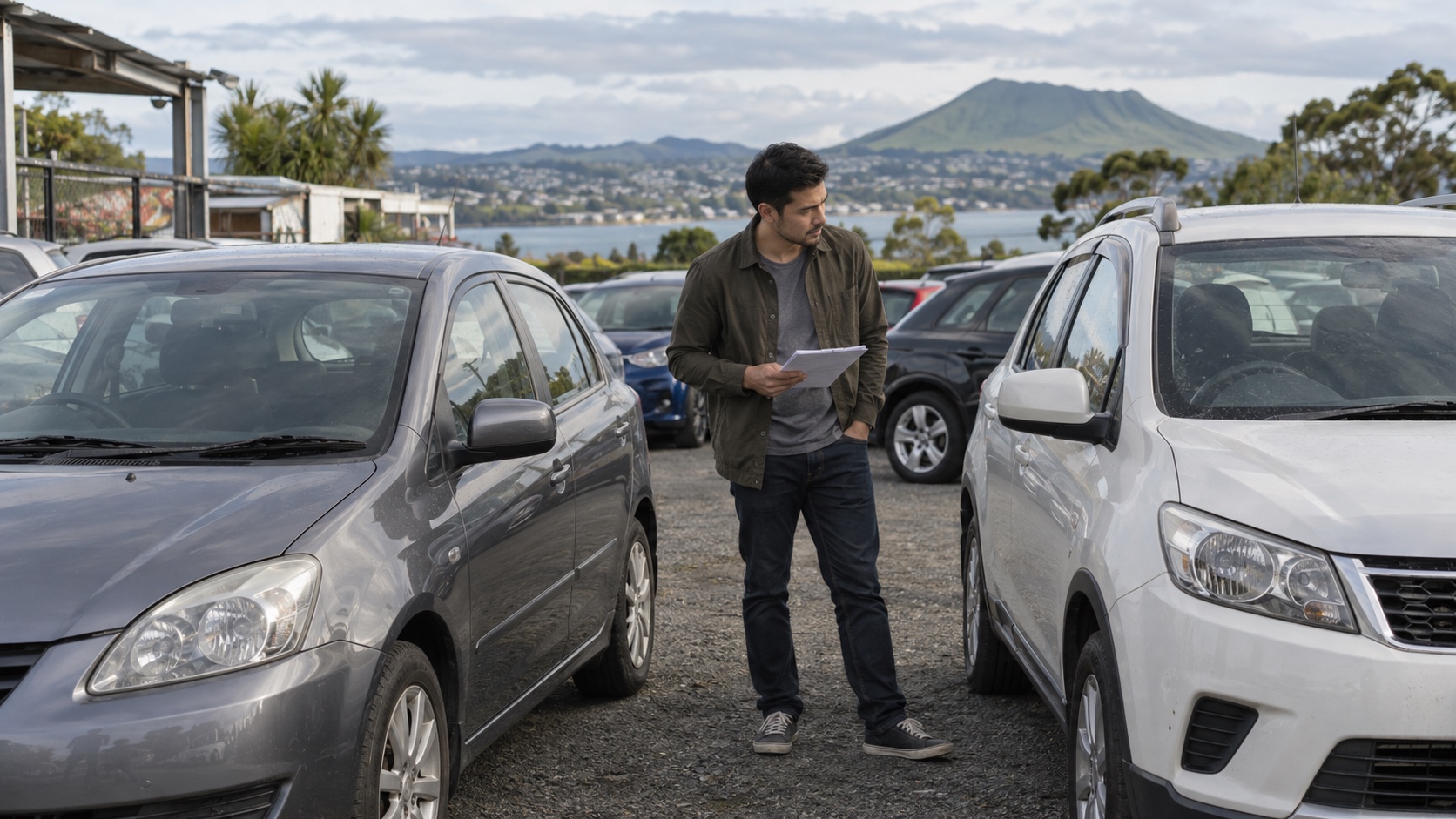
Buying a used car in New Zealand can reduce the purchase price, widen your choice, and limit the number of dollars exposed to future depreciation. None of those benefits is automatic. The smart choice is the vehicle that fits your needs, passes an independent inspection, has a clean history, and comes from a seller whose legal status you understand.
This guide evaluates five potential benefits using one consistent test: does the advantage still matter after you account for condition, safety, insurance, finance, and your rights as a buyer? It then explains how residents and visitors can shop more carefully in Auckland, NZ. New Zealand rules differ from those in the United States, so local checks matter even if the basic car-buying logic feels familiar.
1. Cost Savings
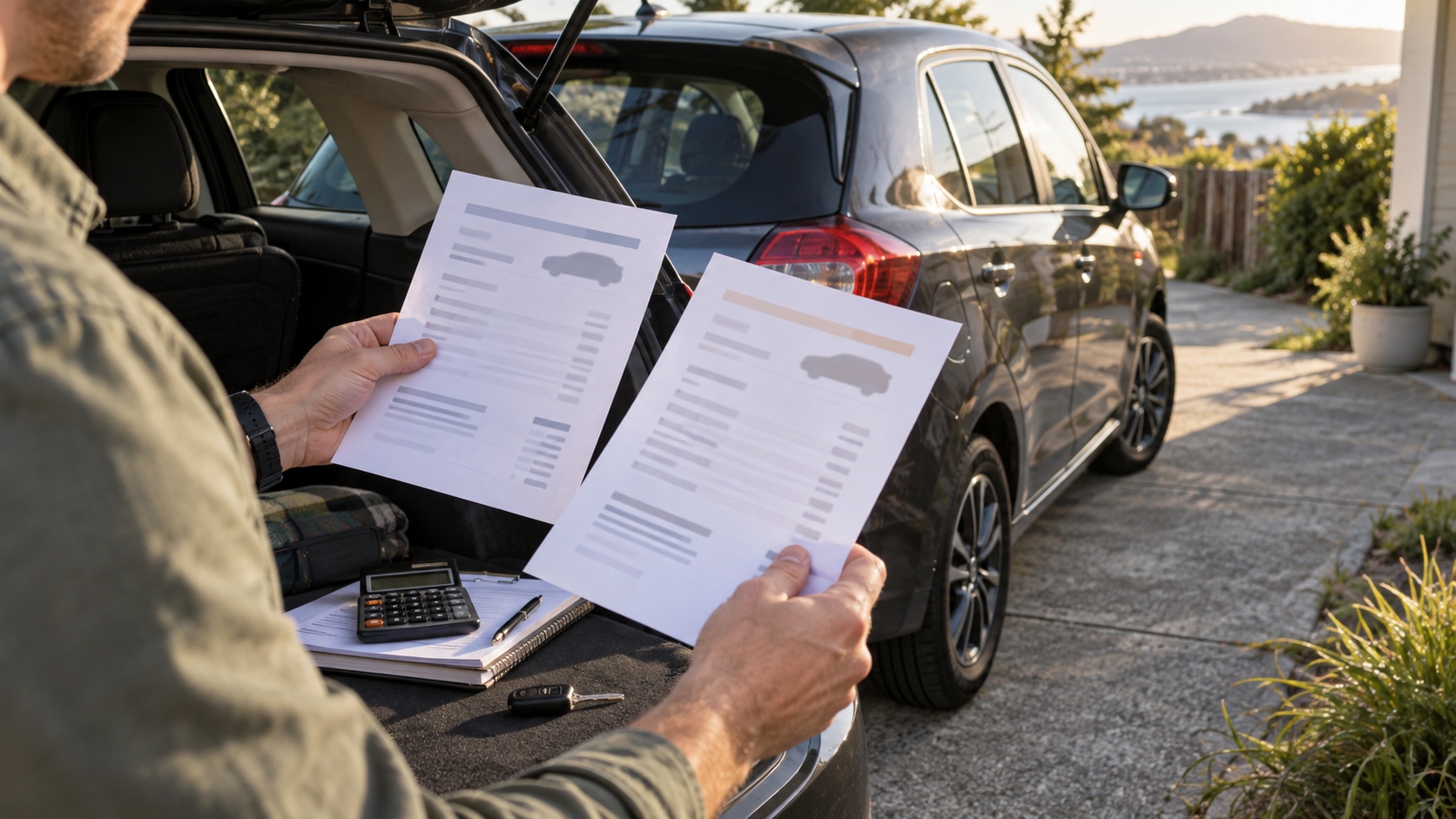
Best for: buyers who would rather pay for useful condition and equipment than for the first years of a car's life. A pre-owned vehicle often carries a lower asking price than a comparable new one, which may reduce the amount you need to save or finance. It can also put a higher trim level, larger body style, or newer safety equipment within the same budget.
The headline price is only the opening calculation. Add finance charges, an independent inspection, immediate maintenance, tires, fuel or electricity, registration and licensing, road user charges where applicable, and insurance. A cheap car that needs cooling-system work and four tires can cost more in its first year than a better-maintained alternative. If dependable ownership matters more than a bargain badge, our guide to reliable cars and SUVs offers a useful comparison framework, but any model-level claim still needs to be checked against the specific vehicle in front of you.
New Zealand's Consumer Protection service recommends setting a budget, researching the seller, test-driving the car, and arranging a pre-purchase inspection. Those steps turn “cost savings” from an assumption into a comparison you can defend.
2. A Wider Choice of Models and Specifications
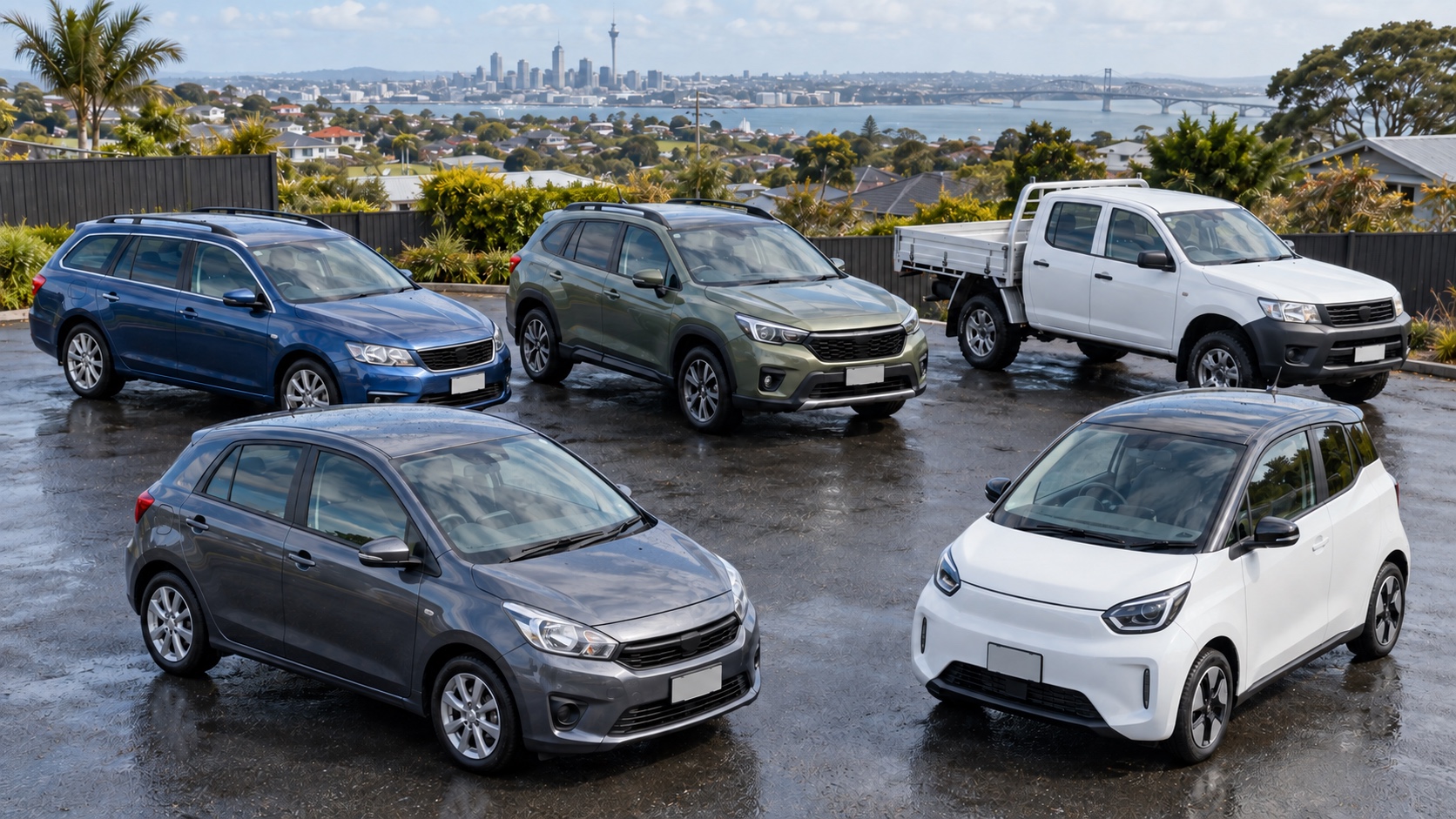
Best for: shoppers with a specific combination of size, price, fuel type, and features. The used market lets you compare vehicles from several model years at once instead of limiting the choice to current showroom ranges. That can help when you need a compact city car, a family wagon, a utility vehicle, or a less common specification that is no longer sold new.
Choice also creates homework. New Zealand's fleet includes both NZ-new vehicles and used imports, and two cars with a similar badge may have different safety equipment, infotainment, service documentation, or parts support. The Ministry of Transport's annual fleet statistics use the national Motor Vehicle Register and distinguish categories such as light passenger and light commercial vehicles. The data explains why “car” is too broad a category for a useful buying decision: intended use and exact specification matter.
Write down the non-negotiables before browsing. Seating, cargo room, safety rating, fuel type, towing needs, typical trip length, and parking space are more useful filters than color or a familiar model name. A wider selection is a benefit only when it helps you make a better choice, not when it encourages endless scrolling.
3. Insurance Can Cost Less—but Not Automatically

Best for: buyers willing to compare the same level of cover across several specific cars. A lower vehicle value can reduce one part of an insurer's exposure, but a used car is not automatically cheaper to insure. Repair costs, theft and claims patterns, the make and model, your age, driving history, location, chosen excess, and level of cover can all change the premium.
The Insurance Council of New Zealand explains that motor policies may use market value or agreed value, and that third-party-only cover protects against damage you cause to someone else's vehicle or property rather than damage to your own car. Its pricing guidance also identifies the motorist's age, previous claims, and the car's make and model among the factors insurers consider. That is why comparing a comprehensive quote for one car with a third-party quote for another produces a misleading result.
Request quotes using the same drivers, address, annual use, excess, and cover level. Then read the exclusions and total-loss basis, not just the annual premium. Our broader look at auto insurance comparisons can help organize the questions, but New Zealand shoppers should rely on current local policy wording and personalized quotes.
4. Reliability You Can Investigate
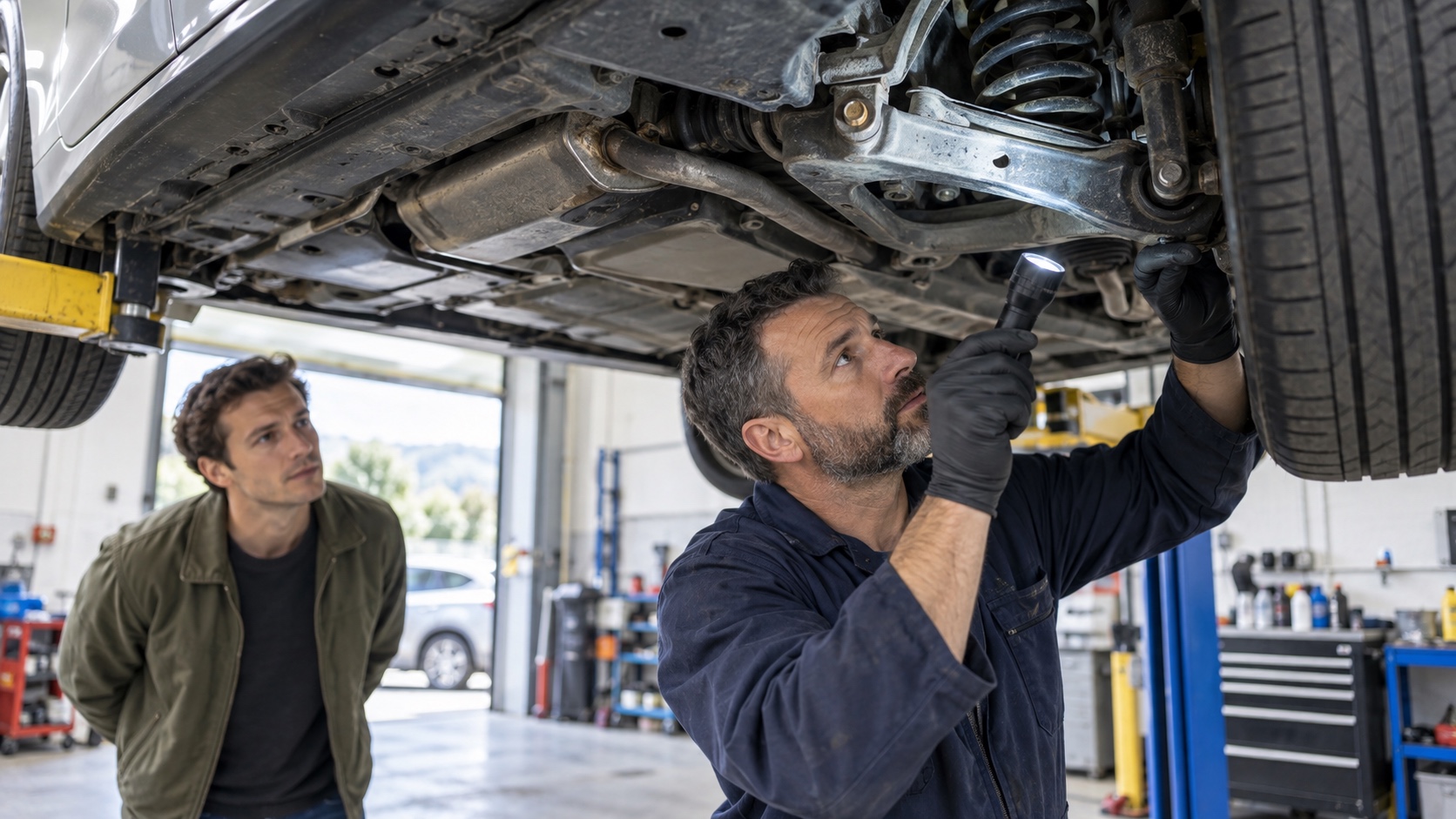
Best for: buyers who value evidence of maintenance over the novelty of a new vehicle. A used car has a record you can examine: service invoices, inspection results, ownership information, odometer entries, visible wear, and the way it behaves on a test drive. That evidence can reveal a carefully maintained vehicle—or give you a reason to walk away.
A current warrant of fitness, or WoF, is important but limited. Waka Kotahi describes it as a regular check that a vehicle meets required safety standards. Its buying guidance says a buyer can insist that a light vehicle's WoF is less than one month old; if the buyer accepts an older WoF, that agreement should be in writing. A WoF is not a mechanical warranty and does not tell you what the engine, transmission, battery, or cooling system may need next.
Arrange an inspection that is independent of the seller, and ask the technician to review the systems most expensive or safety-critical for that model. Compare the vehicle identification number across the car and documents, examine the service history, and test every key feature. After purchase, a realistic maintenance schedule matters more than a claim of “proven reliability”; our guide to how often to service a car is a starting point, while the manufacturer's schedule and a local technician should govern the exact intervals.
5. Less Exposure to Depreciation
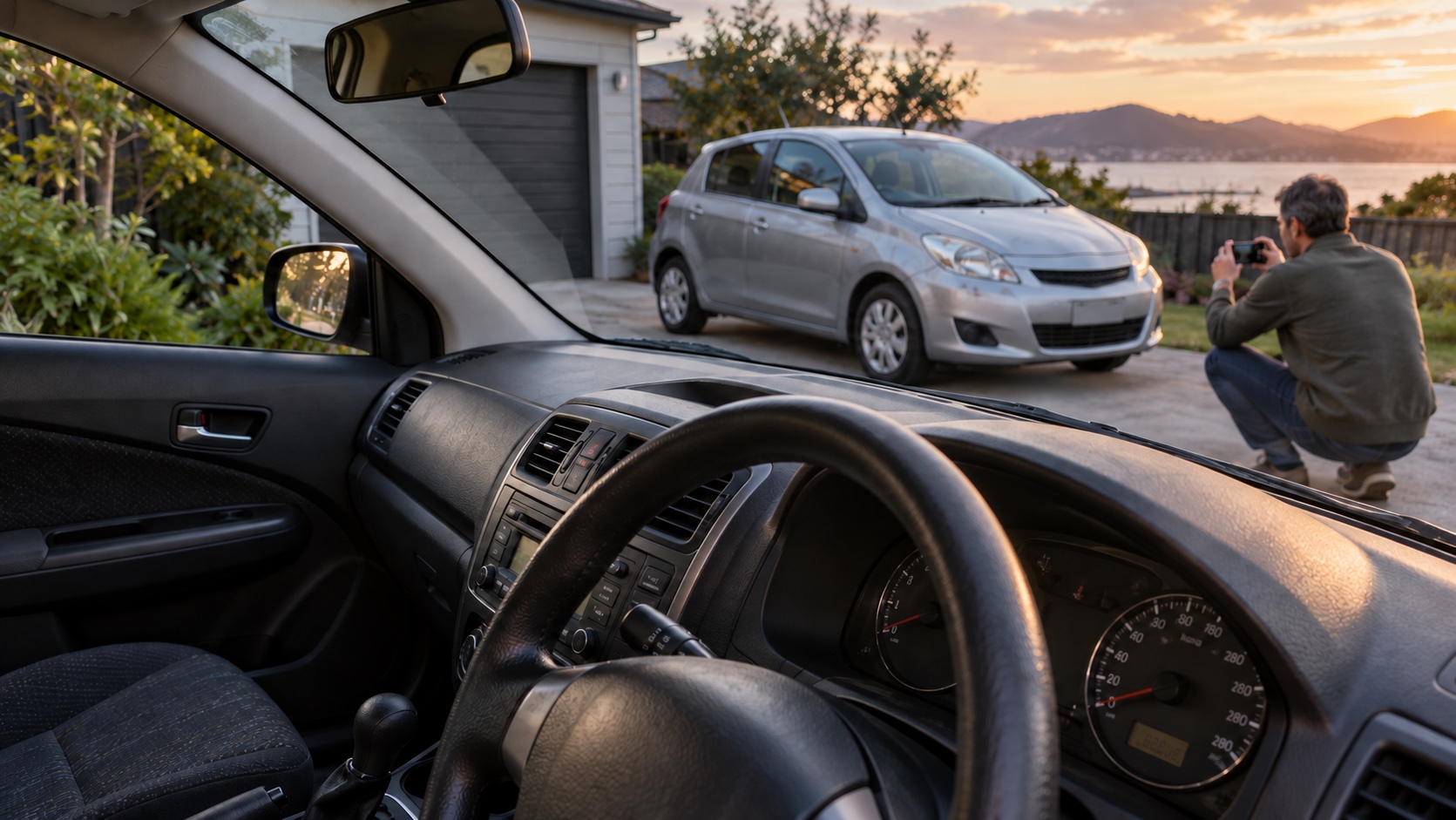
Best for: buyers who expect to resell within a few years and want fewer dollars tied to a declining asset. Because a used car starts from a lower purchase price, the same percentage change can represent a smaller dollar loss. Earlier owners may also have absorbed some of the sharpest value changes associated with a vehicle entering the market as new.
That does not mean every older car depreciates slowly or predictably. Mileage, condition, crash history, service records, fuel prices, parts availability, technology changes, safety expectations, and demand for a particular model can all move resale value. Finance costs and repairs can outweigh any depreciation advantage, so this benefit should be treated as reduced exposure rather than promised savings.
Compare the current asking price with realistic private-sale and trade-in values for the exact year and specification. Keep maintenance records and fix small defects before they become expensive ones. The best depreciation outcome usually comes from buying a suitable car at a defensible price, maintaining it, and selling on your own timetable—not from guessing which badge will become desirable.
Where to Buy a Reliable Used Car in Auckland

Auckland buyers can shop through registered dealers, dealer-run auctions, online listings, and private sellers. The important distinction is not the neighborhood or the size of the lot; it is whether the seller is operating as a registered trader and what protections apply to the sale.
When you buy from a dealer, New Zealand's Consumer Protection guidance says the dealer must be registered, comply with the Consumer Guarantees Act and Fair Trading Act, and provide an accurate Consumer Information Notice, or CIN, for each used vehicle. The CIN includes details such as the vehicle identity, odometer reading, import status, cash price, and any money owing. You can check a business's current status for free through the official Motor Vehicle Traders Register.
A private sale may offer a lower price or more low-cost choices, but Consumer Protection warns that private sellers do not have to provide a CIN or comply with the Consumer Guarantees Act or Fair Trading Act. Inspect the vehicle, preserve the advertisement and messages, use a written sales agreement, and confirm that the seller has the right to sell it. Before agreeing to buy, search the Personal Property Securities Register: a registered security interest can mean a third party has a financial claim and the vehicle could be repossessed.
A practical Auckland buying checklist
- Confirm whether the seller is a registered trader or a private individual.
- Match the VIN and registration details to the vehicle and documents.
- Read the CIN when buying from a dealer and keep a signed copy.
- Run a PPSR search before committing funds.
- Arrange an independent inspection and a meaningful test drive.
- Check the WoF, licensing, road user charges if relevant, and change-of-registered-person process.
- Compare finance and insurance separately from the vehicle negotiation.
The benefits of buying a used car in New Zealand are real when the lower entry price, broader choice, insurance quote, condition, and likely resale value all work for the same buyer. Treat the process as a series of verifiable choices. The right car is not simply “used”; it is suitable, documented, independently checked, and sold under terms you understand.
Sources and verification
New Zealand vehicle, consumer-rights, insurance, trader-registration, fleet, and security-interest guidance was checked on September 21, 2026 against Waka Kotahi NZ Transport Agency, New Zealand Consumer Protection, the Insurance Council of New Zealand, the Ministry of Transport, the Motor Vehicle Traders Register, and the Personal Property Securities Register. Rules, fees, policy terms, and individual vehicle records can change, so buyers should repeat the relevant checks immediately before purchase.