10 Ways to Save More at the Dollar Store

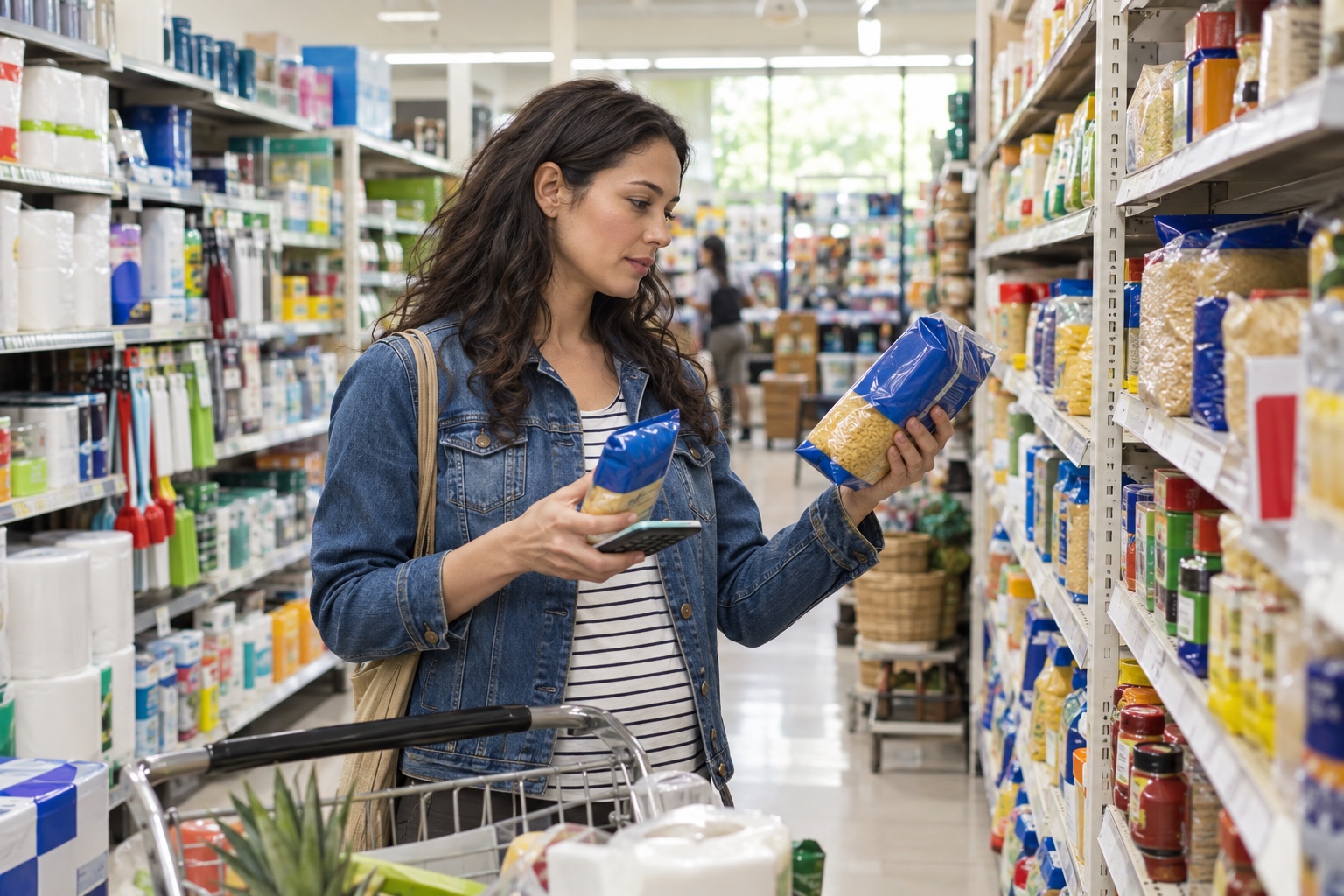
The most reliable way to save at a dollar store is to compare the unit price before you buy, then stick to a list and apply only discounts that match it. A smaller package can cost less at checkout but more per ounce, sheet, or use. Coupons, cash-back offers, clearance, and online ordering can help, but their terms change and none of them turns an unplanned purchase into savings.
This countdown is ranked by how much control you have over repeatable savings. The most dependable habits are at the top; limited promotions and event pricing sit lower because they vary by chain, location, account, and date. Store policies and official offers were checked in September 2026. This is general consumer information, not personalized financial advice.
10. Chase special sales only when the event is verified
Best for: flexible shoppers who can wait for a planned household purchase. Watch for: old blog posts that present a past promotion as a permanent annual event.
The previous article promised recurring Dollar Tree Friends and Family discounts without a current official event page. That claim has been removed. Treat a sale as real only when the chain's current site, app, weekly ad, or in-store sign gives the date, eligible products, and redemption terms. A countdown timer on an unofficial coupon site is not enough.
Start with the item you already need, record its normal unit price, and compare the event price with that baseline. If the sale requires buying more than you can use, the larger receipt may erase the discount.
9. Compare online pickup and delivery with the in-store total
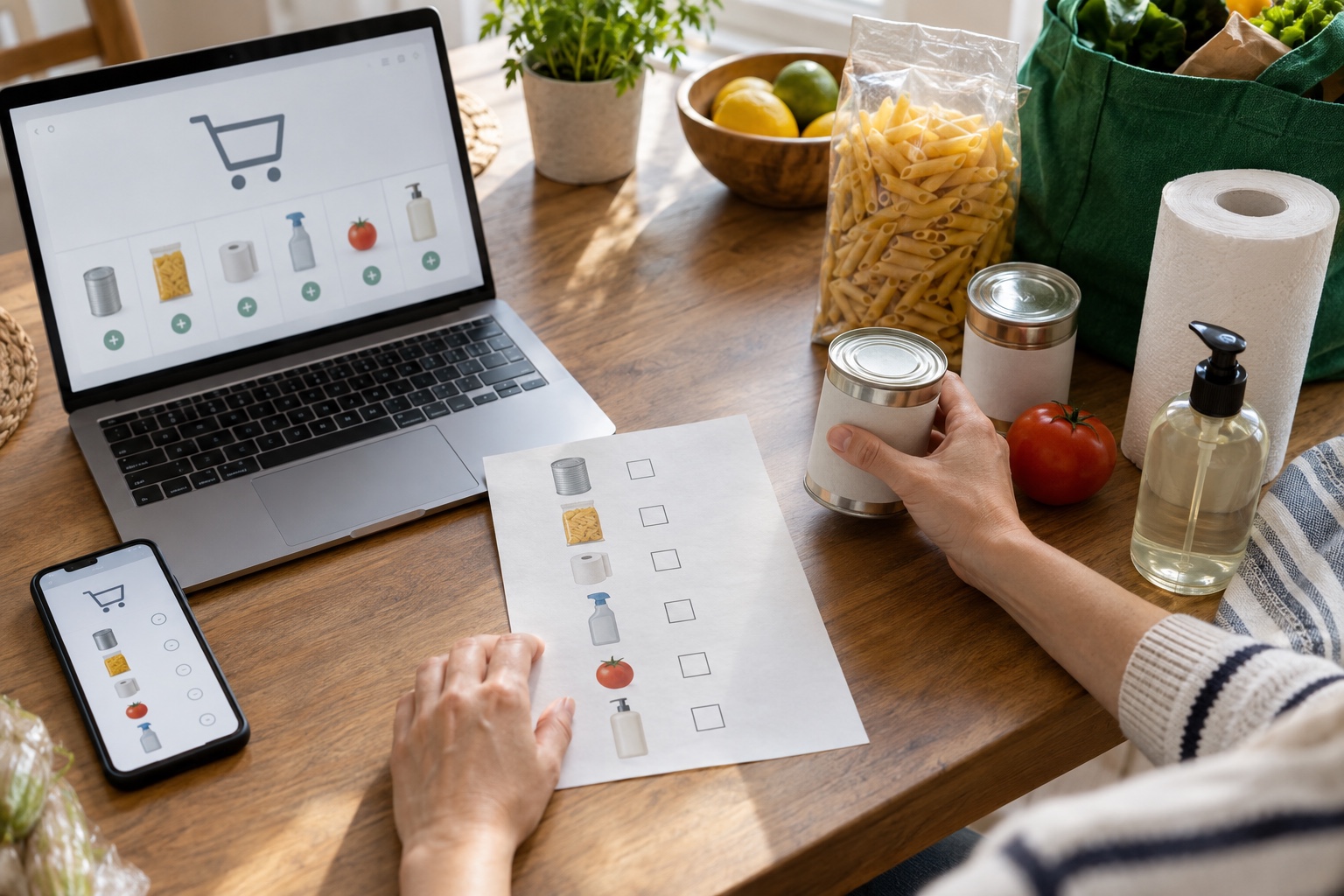
Best for: shoppers who value a planned cart, store pickup, or avoiding a separate trip. Watch for: case quantities, delivery charges, service fees, tips, and substitutions.
Dollar Tree says its website sells some products by the case and many in smaller quantities; orders may be shipped free to a local store for pickup, shipped to an address for a charge, or delivered the same day from participating locations. Those options do not guarantee a lower final cost. Compare the exact quantity and checkout total with the shelf price, and include the value of an extra trip only when you would otherwise make one.
An online cart can still be useful as a spending boundary. Search for the items on your list, review the total, and remove extras before checkout. For perishable or substitute-sensitive products, check the fulfillment rules before paying.
8. Use clearance for planned needs, not speculative stockpiles
Best for: seasonal goods and familiar shelf-stable products you will use soon. Watch for: damaged packaging, short quality windows, final-sale conditions, and quantities that exceed your storage.
Clearance is a lower price on a specific item, not proof that it beats every alternative. Inspect seals, package damage, size, and date labels, then calculate the unit price just as you would on the regular shelf. Check the store's current return terms before buying something that may be final sale.
Skip unfamiliar bulk purchases unless the risk is small. A deeply discounted cleaner you dislike or food that expires before you use it is still wasted money.
7. Follow official weekly ads and app alerts selectively
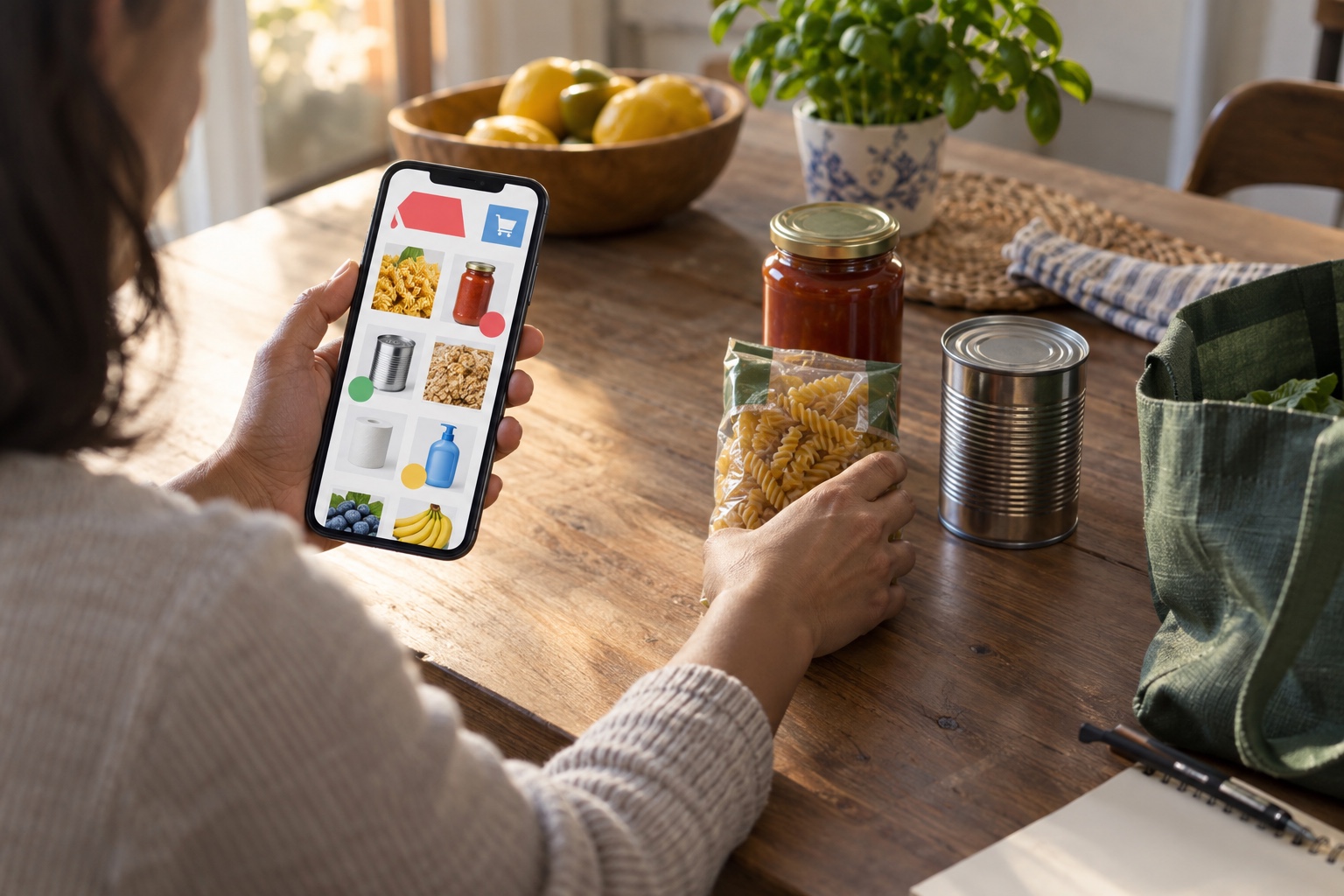
Best for: regular shoppers who want current offers before visiting. Watch for: notifications that create urgency for products outside your list.
Use the chain's own website, app, email, or weekly ad to verify a promotion. Dollar General's official coupon gallery shows offer details and expiration dates after sign-in, while its terms explain that offers can be limited, changed, or discontinued. Save only the offers that match a planned purchase, then read the item size and quantity requirement.
Following a chain does not create a discount by itself. Turn off broad promotional notifications if they encourage extra trips, and check the official offer only when you are already planning a shop.
6. Compare cash back with the coupon you would give up
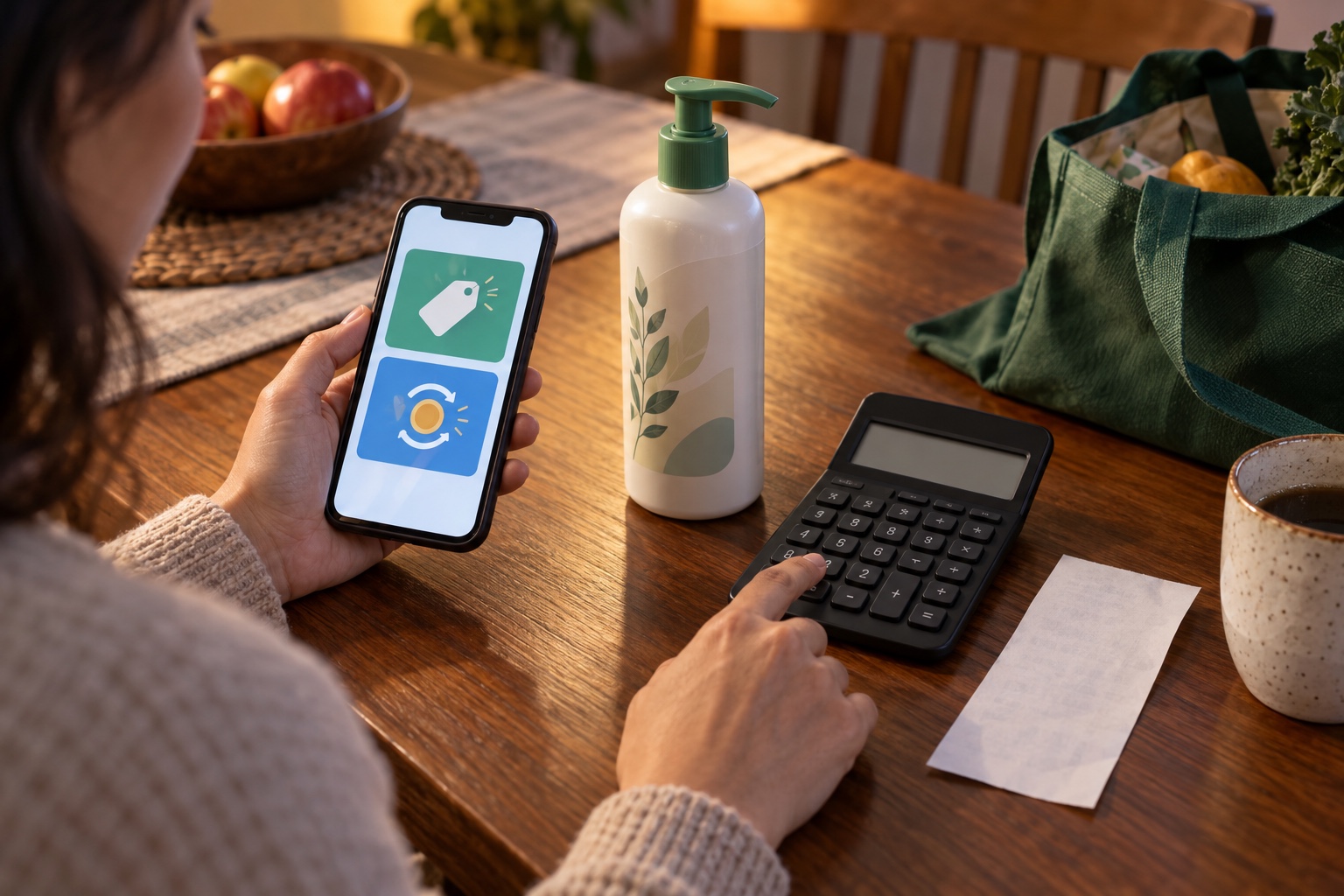
Best for: organized shoppers willing to activate an offer and confirm that credit posts. Watch for: exclusions, minimum withdrawal rules, data sharing, and offers that cannot be combined.
Dollar General's current terms say a digital coupon and a cash-back offer may not both apply to the same item; if both are selected, the coupon can take precedence and the cash back will not be earned. The chain's shopping terms are the right place to verify that limitation. Ibotta's in-store guide also tells shoppers to select offers and follow each retailer's redemption steps rather than assuming every receipt qualifies.
Before checkout, compare the dollar value of the coupon and cash-back option. Pay with a rewards credit card only if you already use that card without carrying interest-bearing debt; interest can overwhelm a small reward.
5. Read date labels and inspect the package
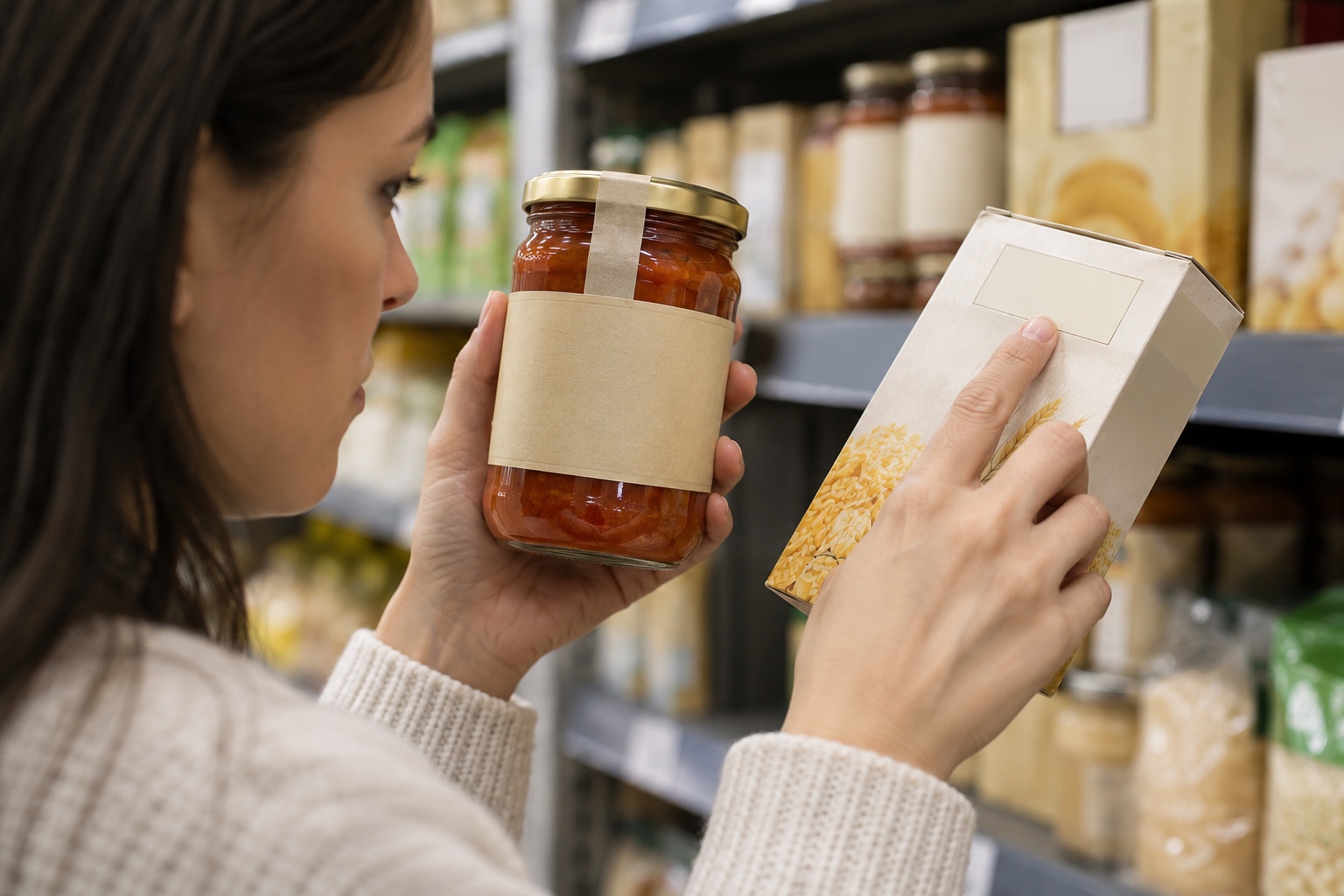
Best for: food, medicine, cosmetics, batteries, and any product whose useful life affects value. Watch for: treating every food quality date as a safety deadline—or ignoring a required date.
The FDA explains that, except for infant formula, federal law generally does not require quality-based dates on packaged food. “Best if Used By” usually addresses flavor or quality, so inspect the product for spoilage and follow storage guidance instead of automatically discarding it the next day. Infant formula is different: the FDA says not to use it after the printed use-by date.
Also check seals, dents, leaks, swelling, and package integrity. For over-the-counter medicine and other regulated products, follow the label and do not buy a package that is open, damaged, or past its expiration date.
4. Test store brands one product at a time
Best for: low-risk repeat purchases such as basic paper goods, pantry staples, and cleaning supplies. Watch for: assuming different formulas, materials, or package sizes perform identically.
A private label can be a good value, but the name on the package is not the comparison. Match the intended use, ingredient or material information, quantity, and unit price. For items where performance matters, buy the smallest practical size first and judge the result before stocking up.
Food shoppers can use our fact-checked dollar-store food guide to see where package size, sodium, storage, and ingredient labels can change the verdict.
3. Clip coupons only after matching every term
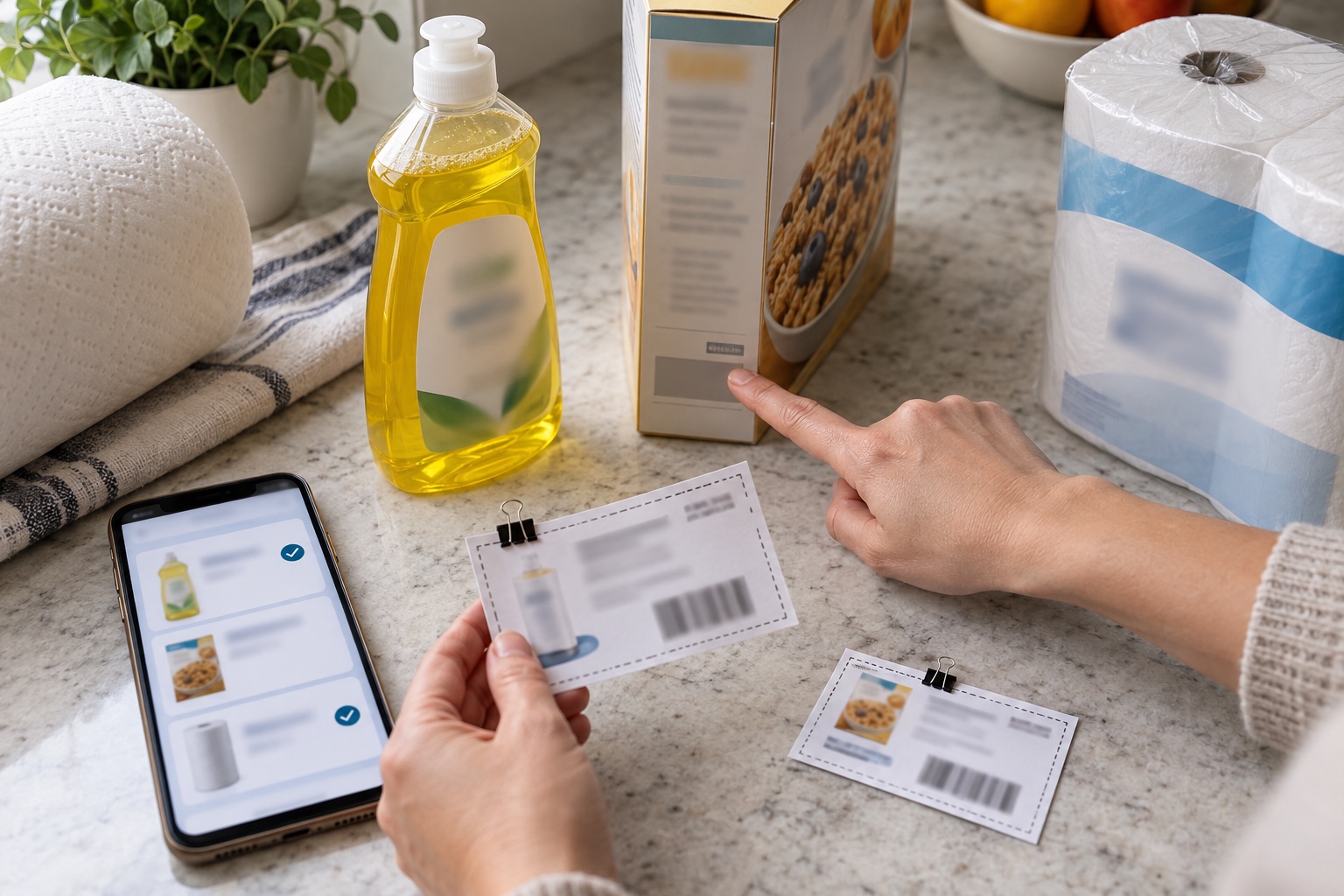
Best for: brand-name products already on your list. Watch for: wrong sizes, expired offers, manufacturer-coupon conflicts, and thresholds calculated after other discounts.
The current Dollar General coupon policy allows one manufacturer coupon and one Dollar General store coupon on an item when neither forbids the combination. It also says most DG digital coupons are manufacturer coupons unless labeled as store coupons, so two manufacturer coupons cannot be stacked on the same item. Other chains have their own rules.
Read the product size, count, expiration, purchase requirement, and “per transaction” limit before adding the item. A coupon on a larger package can still produce a higher unit price than a smaller store brand.
2. Build a short list from what you already have
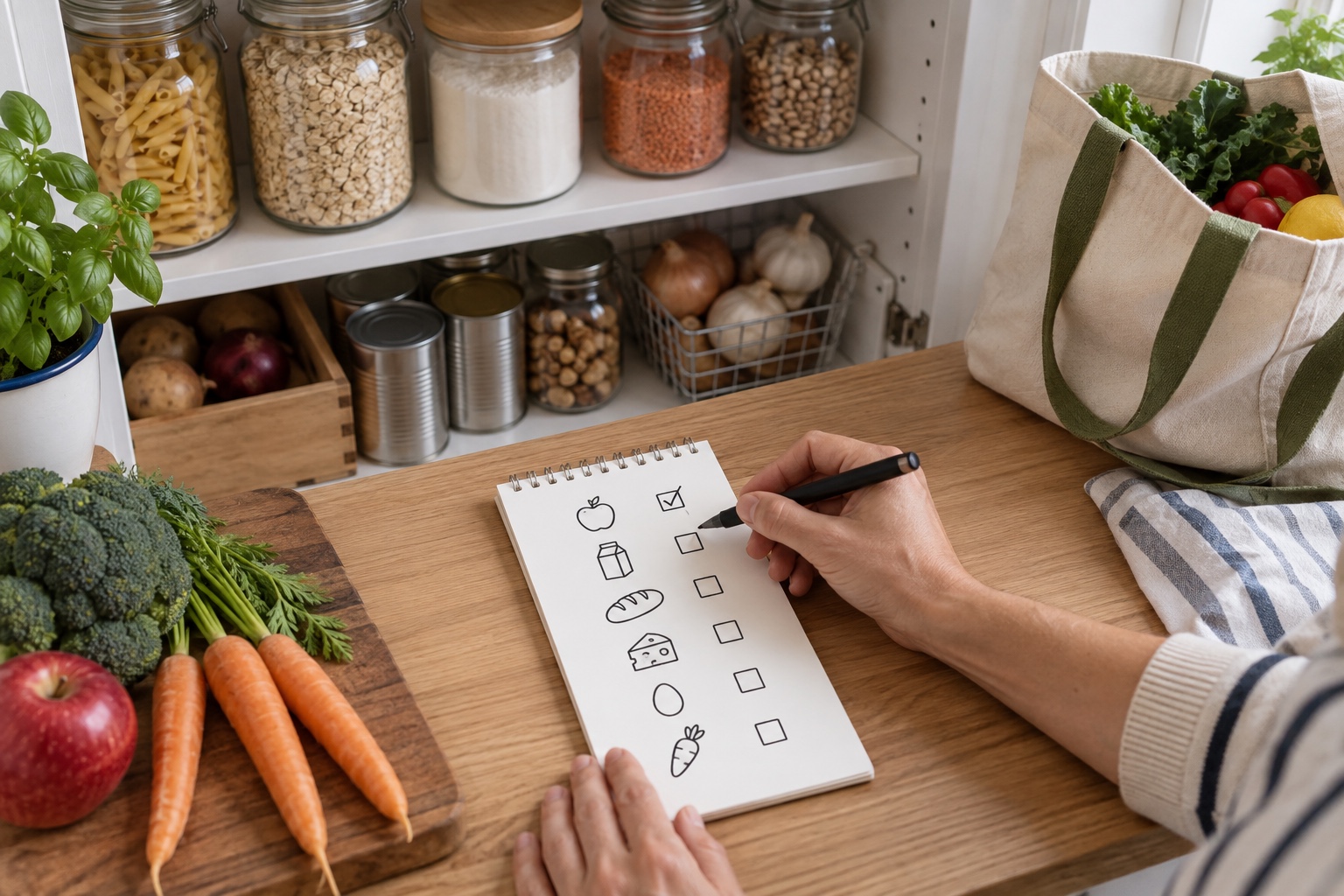
Best for: nearly every dollar store shopper, especially in stores built around quick, low-ticket additions. Watch for: vague categories such as “snacks” that make every shelf item feel eligible.
Check the pantry, refrigerator, bathroom, and cleaning cabinet first. Write the item, quantity, maximum acceptable price, and an allowed substitute. That turns the list into a decision tool instead of a reminder.
Give unplanned items a cooling-off rule: photograph the shelf tag or add the product to a future list rather than buying it immediately. To compare the wider market before setting a budget, use our grocery-store price comparison as context, then verify prices at the stores near you.
1. Compare the cost per usable unit
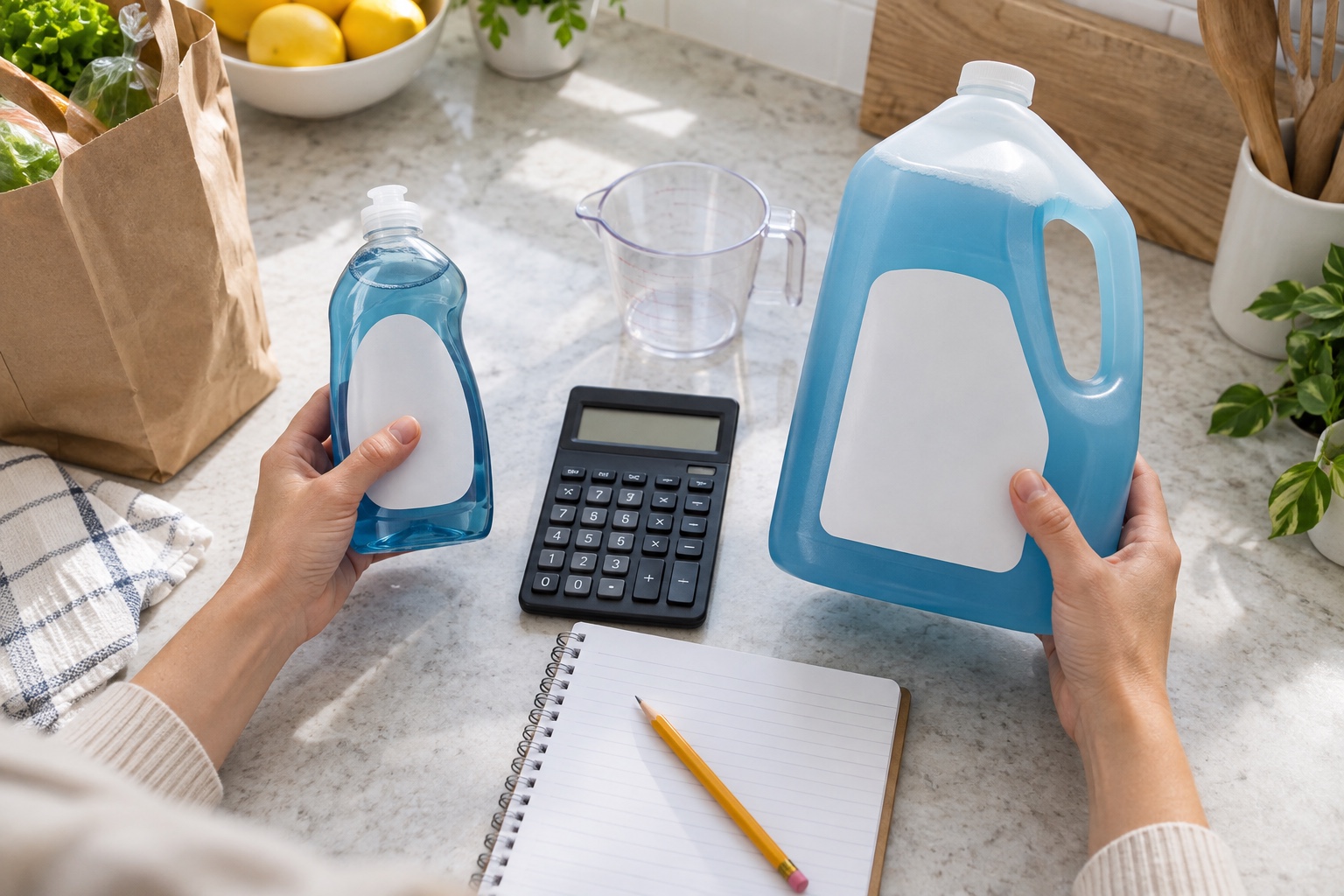
Best for: finding repeatable value across different package sizes and stores. Watch for: comparing unlike units or buying a large package you cannot use or store.
Unit price means the total price divided by a common measure: ounces, pounds, sheets, capsules, or uses. The National Institute of Standards and Technology describes unit pricing as a tool shoppers can use for value comparisons and publishes a current unit-pricing guide. When the shelf tag does not show it, use your phone's calculator.
Example: a 20-ounce product at $1.50 costs 7.5 cents per ounce; a 32-ounce product at $2.20 costs about 6.9 cents per ounce. The second is cheaper per ounce, but only if you will use all 32 ounces. Apply that same check after coupons, cash back, and fees to compare final value rather than the loudest price sign.
A five-step check before checkout
- Confirm the item is on your list and the package is intact.
- Compare the final unit price with one realistic alternative.
- Read the exact coupon or cash-back terms.
- Check dates and storage needs.
- Remove anything you would not buy at the undiscounted price.
The best dollar-store strategy is deliberately boring: compare, verify, and buy only what you can use. Promotions can improve the math, but the math should still work without wishful thinking.
Frequently asked questions
Are dollar stores always cheaper than grocery stores?
No. A dollar store may have the lower shelf price but a higher cost per ounce, sheet, or use. Compare unit prices and package quality for the exact products available locally.
Can Dollar General coupons and cash back be combined?
Not always. Dollar General says some coupons and cash-back offers cannot be combined on the same item, and a selected digital coupon can prevent cash back from being earned. Read the current offer details before checkout.
Does a best-by date mean food is unsafe the next day?
Usually not. FDA says “Best if Used By” generally describes quality, not safety, for packaged foods. Infant formula is an important exception and should not be used after its required use-by date.
Sources and verification
Online fulfillment was checked against Dollar Tree's corporate overview. Coupon and cash-back limits were checked against Dollar General's official coupon policy and shopping terms, plus Ibotta's in-store instructions. Food-date guidance comes from the FDA's pages on food waste and date labels and infant formula. Unit-price guidance comes from NIST SP 1181 and NIST's current unit-pricing program. All were reviewed September 22, 2026; promotions and policies can change.