
Top 10 Most Ridiculous Candies of the 1990s—Fact-Checked

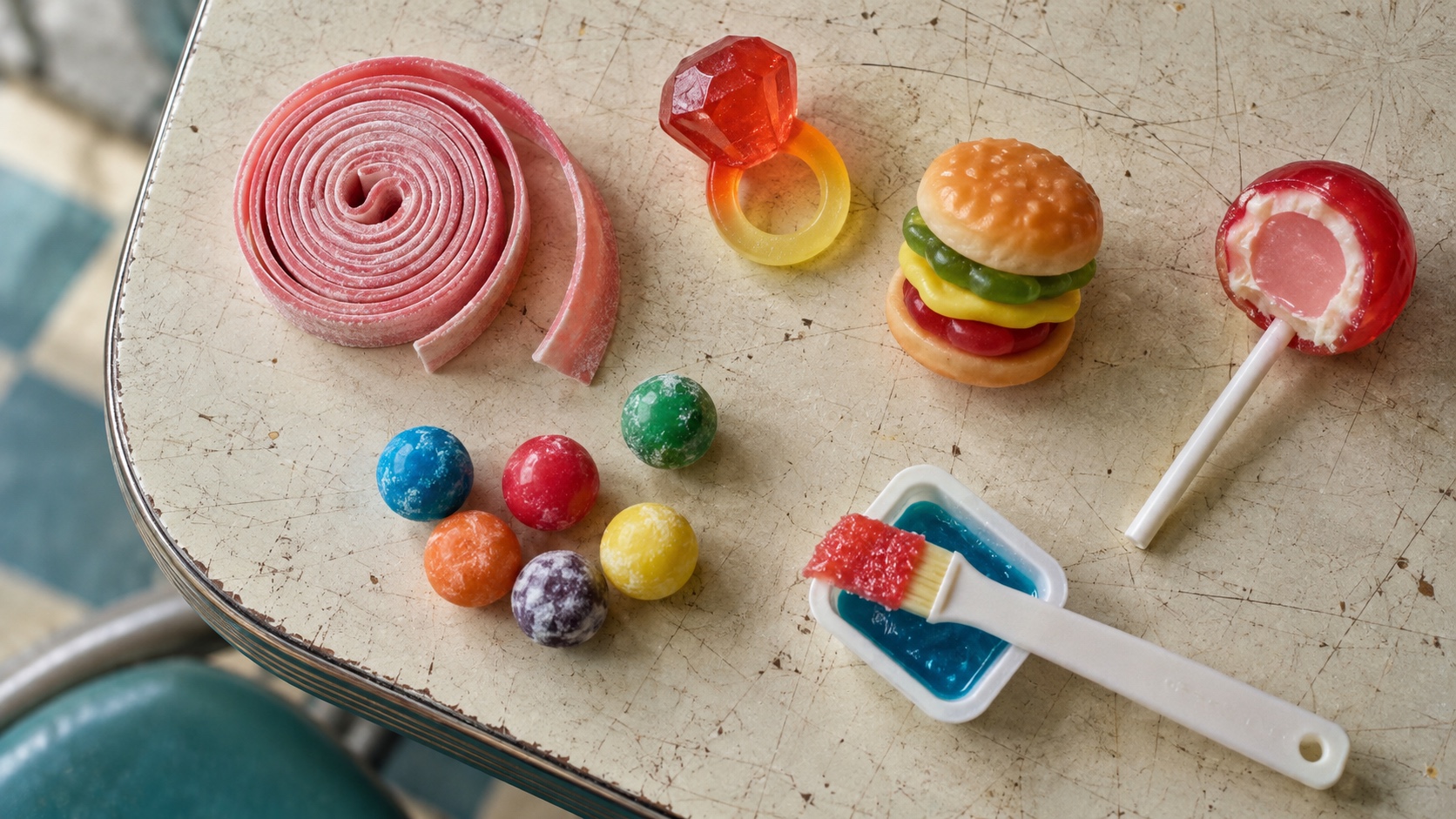
Bubble Tape is the strongest No. 1 for a list of ridiculous 1990s candy: the gum arrived in a round dispenser in 1988 and turned portion control into a six-foot dare just as the decade began. Trolli's miniature gummy burger and liquid-filled Bubbaloo follow because both pair a documented late-1980s launch with a format that still looks gleefully unnecessary.
The original version of this list mixed products introduced in the 1970s and 2000s with genuine 1990s candy-aisle memories, and several descriptions were simply wrong. This revision keeps all ten names so you can see what survives fact-checking, but ranks them by three visible criteria: how unusual the format is, how strong the documented connection to the 1990s is, and whether the gimmick changes the way the candy is eaten. “Ridiculous” is an editorial verdict, not a scientific measurement.
What the fact-check changed
| Item | 1990s connection | Important correction |
|---|---|---|
| Bubble Tape | Strong | Official Hubba Bubba history dates it to 1988, not 1996. |
| Bubbaloo | Strong | It is a liquid-center piece of bubble gum, not gum sold in a tiny bottle. |
| Trolli Burger | Strong | Trolli dates the original burger to 1989; “sour” is not part of the documented original name. |
| Ring Pop | Strong memory, earlier launch | Bazooka Candy Brands dates the launch to 1977. |
| Blow Pop | Strong memory, earlier product | The “charm attached to a bubble” story is false; it is a hard-candy shell around gum. |
| Trix Yogurt | Plausible, launch date unverified | It is yogurt, not candy, and color alone is not evidence that it was unhealthy. |
| Chewy Gobstoppers | Plausible, launch date unverified | The chewy center, not a documented 1990s launch, is the defensible gimmick. |
| Tongue Splashers | Weak archival evidence | Available nostalgia material describes gum in a paint-can container, not a spray candy. |
| Lollipop Paint Shop | Weak | Contemporary evidence located for this review is from the mid-2000s, not the 1990s. |
| Camel Balls | Unsupported | Current catalogs describe liquid-filled bubble gum, not chocolate nonpareils with marshmallow. |
1. Bubble Tape: six feet of portion control theater
Verdict: the best combination of documented timing, absurd package, and interactive eating. Hubba Bubba's official history says Bubble Tape followed the original chunk gum in 1988 and arrived in a canister that let the chewer decide how much gum to take. A Wrigley patent filed that year describes rolled gum tape between three and six feet long and the practical idea of breaking off a chosen piece.
That practical explanation never cancelled the spectacle. A pink spiral in a round dispenser looked like office tape redesigned by a candy company, and choosing a reasonable length was entirely optional. The original article dated it to 1996; the manufacturer's timeline and patent record move it back eight years, making it a late-1980s invention that genuinely belongs to 1990s candy culture.
2. Bubbaloo: bubble gum with a liquid surprise
Verdict: a real late-1980s launch that entered the United States at exactly the right moment for 1990s nostalgia. Mondelēz International's corporate history says Bubbaloo was introduced in Central America, Spain, and Puerto Rico in 1988 and launched in the United States the following year.
The previous description confused the gum with a miniature bottle and cap. Bubbaloo's actual trick is contained inside an ordinary-looking piece of bubble gum: biting it releases a flavored liquid center. That hidden texture change is both simpler and stranger than the invented story, and it directly answers searches for sour liquid candy from the 90s.
3. Trolli Burger: fast food rebuilt as gummy layers
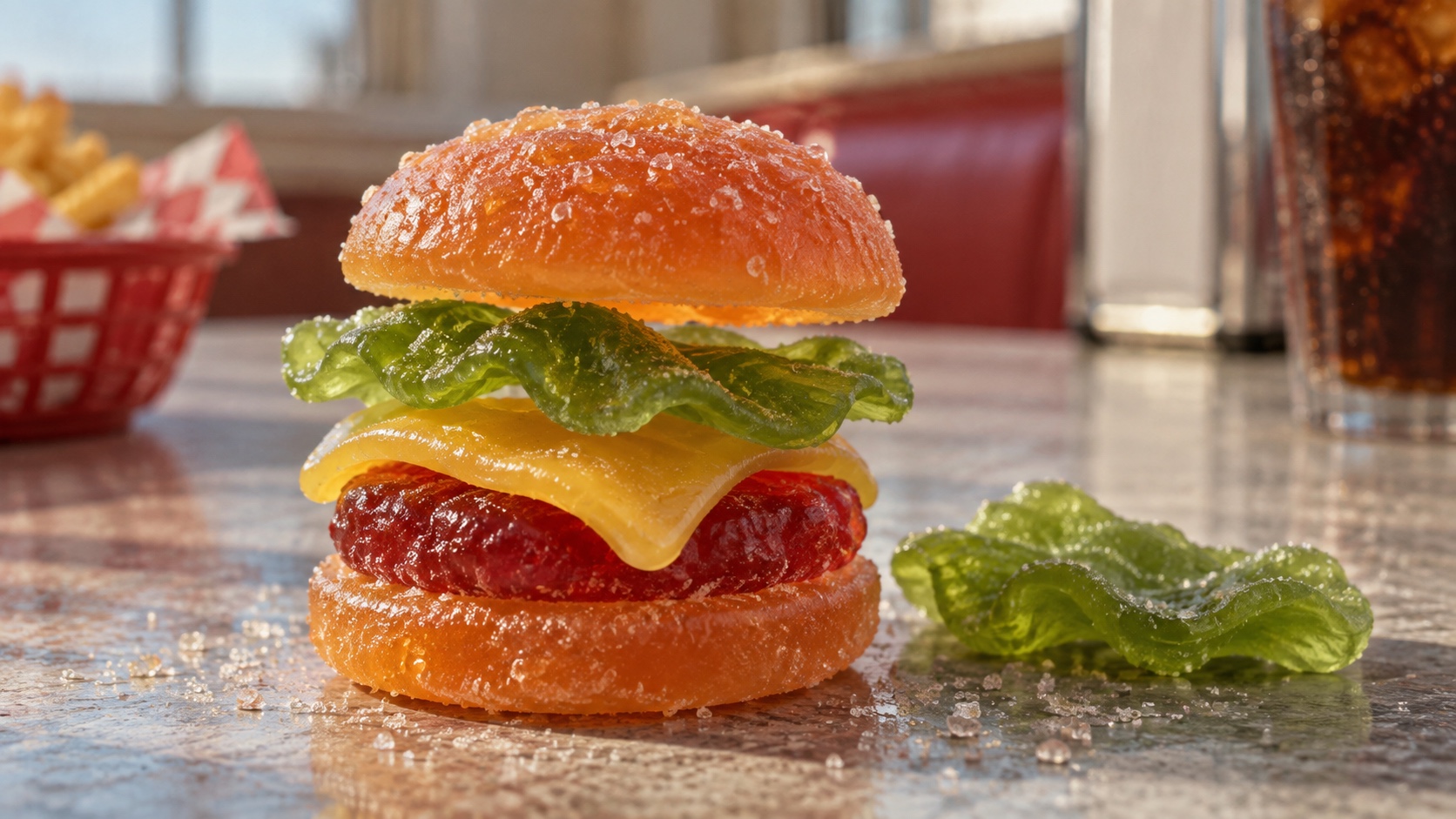
Verdict: a legitimate late-1980s novelty with a strong 1990s claim. Trolli's official product history calls Big Burger its original since 1989, while the company's history places the brand's U.S. expansion in the surrounding period. That gives this tiny layered meal a firmer timeline than most entries here.
The old article called the product “Sour Gummy Burgers,” but Trolli's historical material documents the Trolli Burger rather than a specifically sour original. The ridiculous part needs no embellishment: a bun, lettuce, cheese, and patty rendered as removable gummy layers is already edible theater.
4. Tongue Splashers: paint-can presentation, not a mouth spray
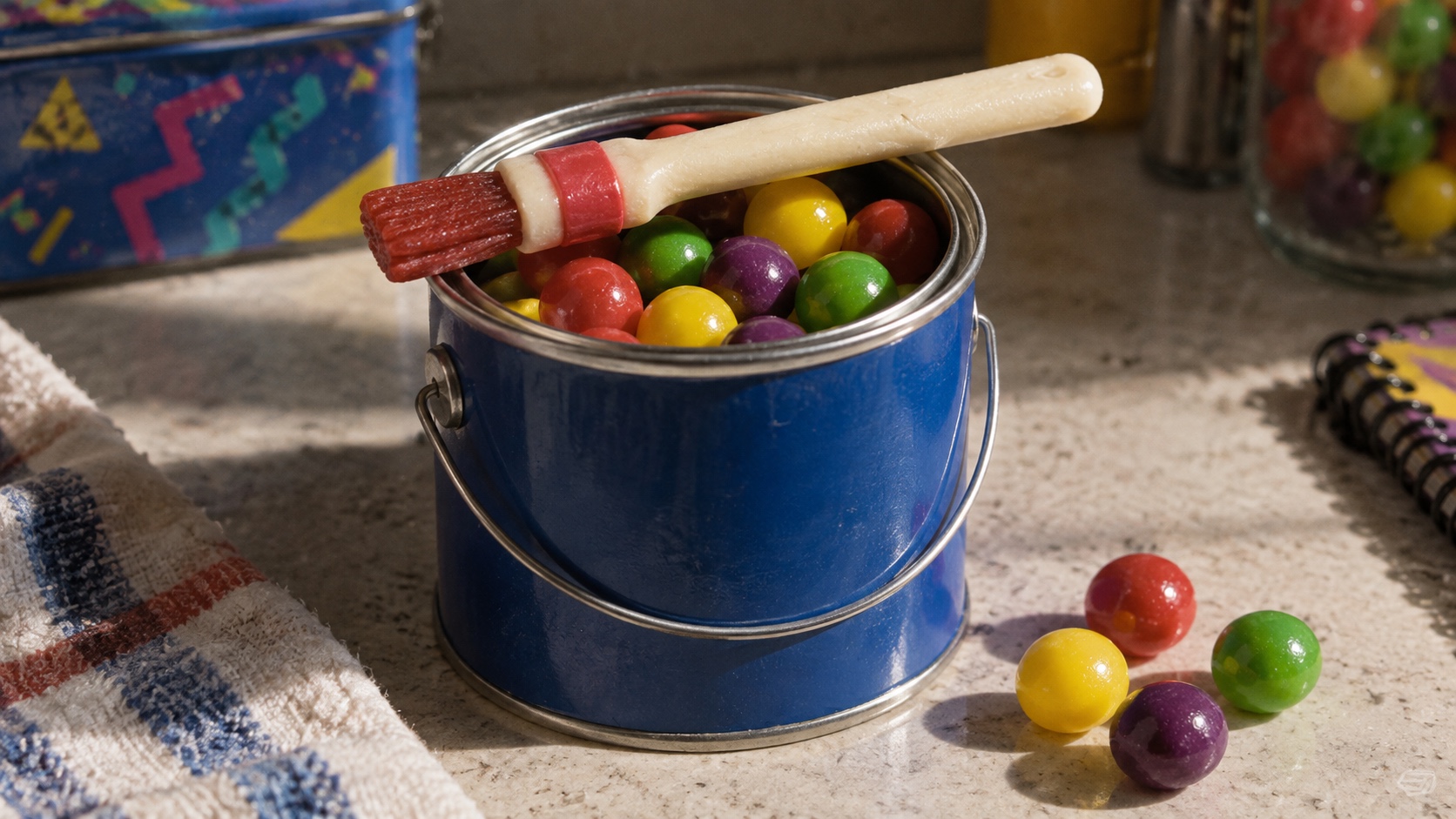
Verdict: one of the strangest containers, with one of the weakest paper trails. Surviving nostalgia material describes colorful gum sold in a miniature paint can and packaging built around “painting” the mouth. It does not support the previous claim that Tongue Splashers was a spray candy in a tiny paint bottle.
This entry ranks above the other poorly documented products because the container itself supplies a coherent gimmick. The historical limitation remains visible: without a dated manufacturer catalog, trademark record, or advertisement, the exact launch and U.S. distribution history remain unverified.
5. Chewy Gobstoppers: the jawbreaker idea turned inside out
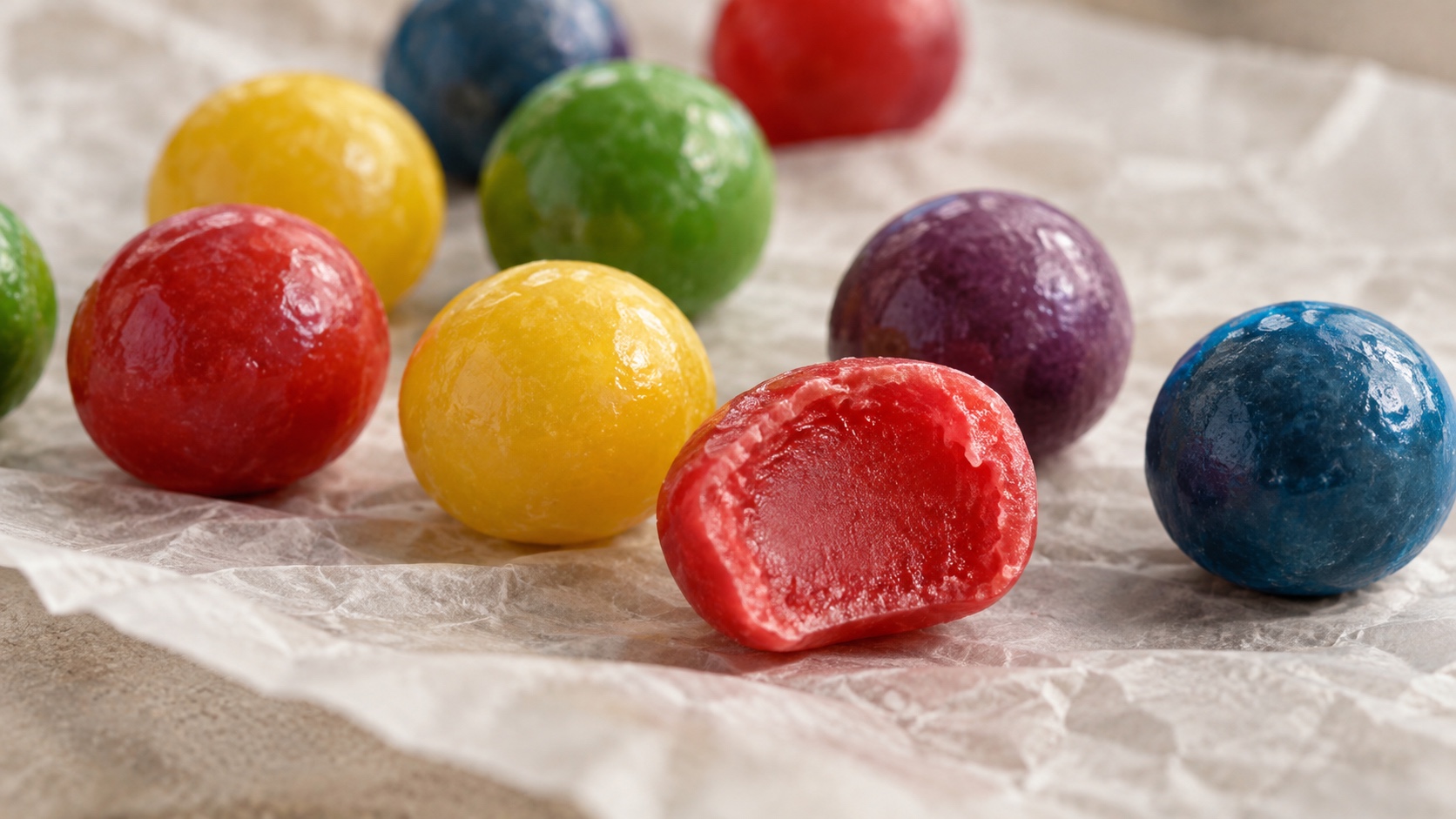
Verdict: a strong format joke with incomplete dating. Ferrara's brand portfolio confirms Gobstopper as a current brand, while the original hard candy traces its commercial name to the fictional Everlasting Gobstopper. A chewy version flips the defining expectation: instead of patiently wearing down hard layers, you bite through a soft candy.
That reversal is enough to rank it in the middle. What the available primary material does not establish is a precise Chewy Gobstoppers launch year, so this article does not repeat the convenient but unverified claim that the product began in the 1990s.
6. Yoplait Trix Yogurt: not candy, still a dessert-shaped gimmick
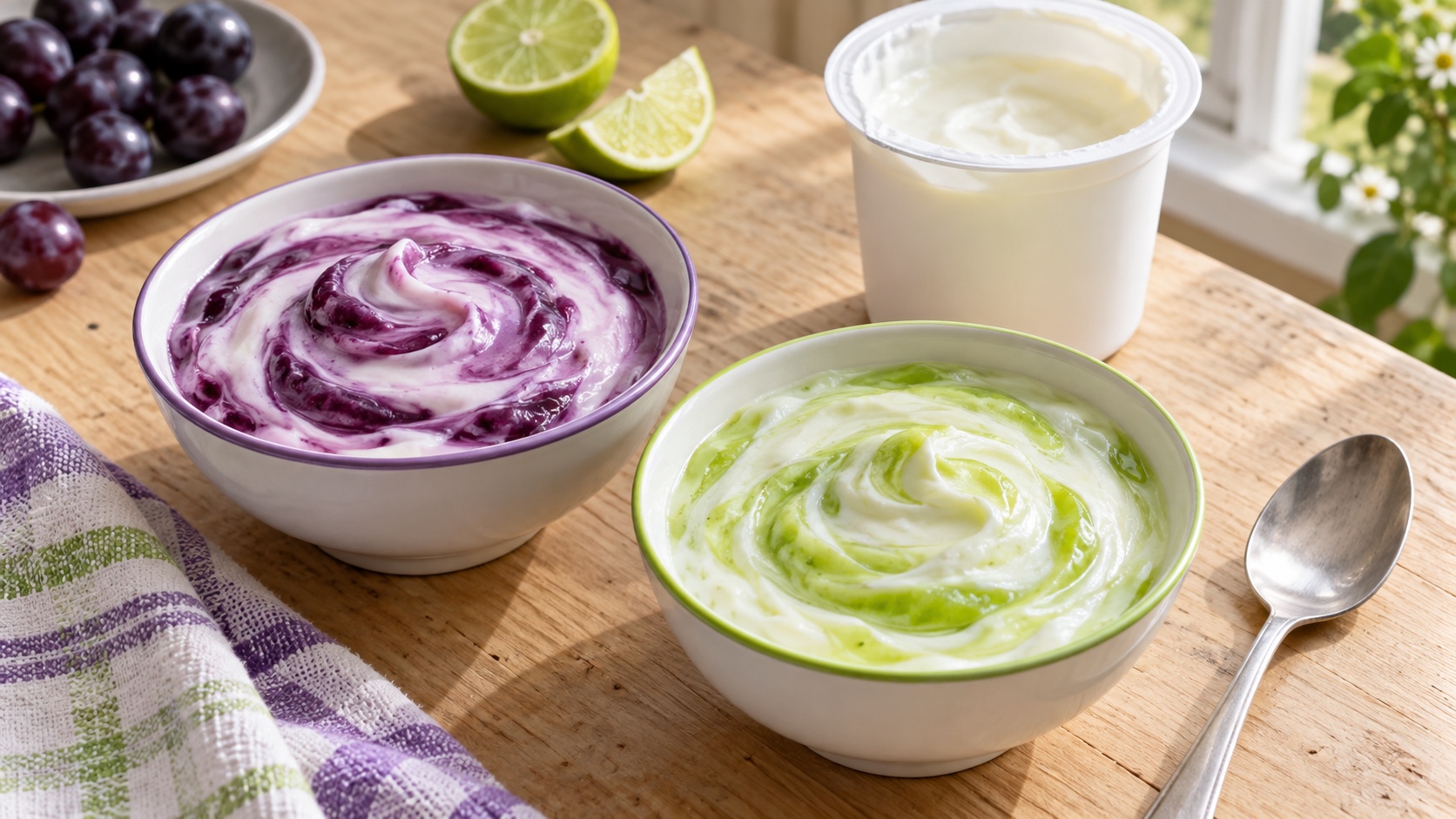
Verdict: visually on-theme, categorically out of place. Trix Yogurt is a yogurt product, and current General Mills documentation still lists named Trix Yogurt varieties. The earlier article's leap from bright color to “couldn't have been healthy” was unsupported; nutrition judgments require the actual label and serving context, not a color impression.
Its case for inclusion is that cereal branding, vivid fruit flavors, and a swirled cup borrowed the toy-like logic of novelty candy. Its case against is stronger: this is a refrigerated snack, not a candy, and we did not locate a primary source that establishes the claimed 1990s debut. It belongs near the bottom of an honest candy ranking.
7. Ring Pop: a 1977 invention the 1990s kept wearing
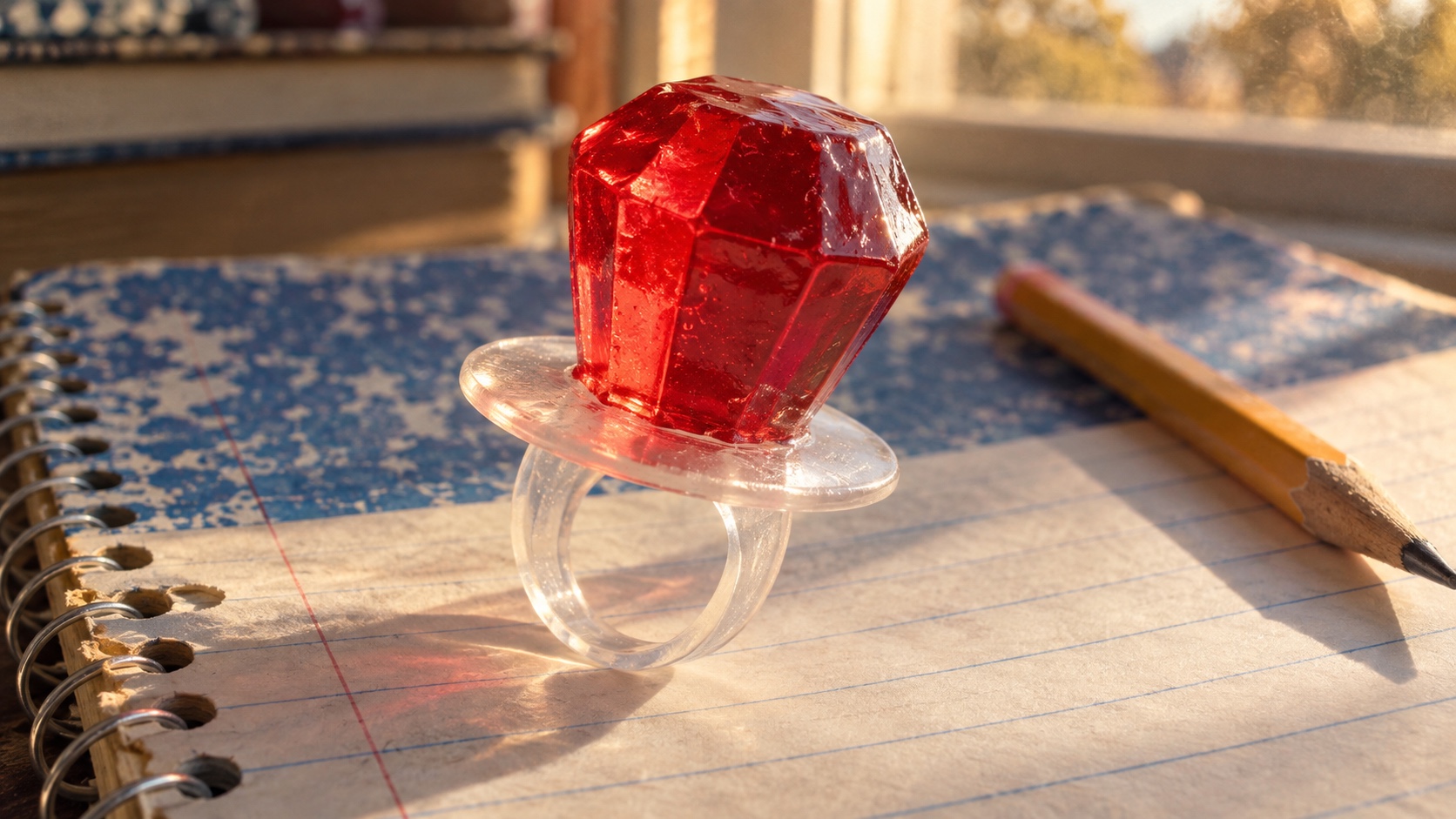
Verdict: culturally at home in the 1990s, historically a 1970s product. Bazooka Candy Brands' own timeline dates Ring Pop to 1977 and calls it the company's first wearable lollipop. That evidence corrects any implication that the decade invented candy jewelry.
Ring Pop ranks above the weaker entries because the format is unambiguous. The plastic ring changes how you hold, display, and inevitably make a sticky mess with a lollipop. The 1990s connection is association and continued popularity, not a launch claim.
8. Lollipop Paint Shop: fun format, shaky decade
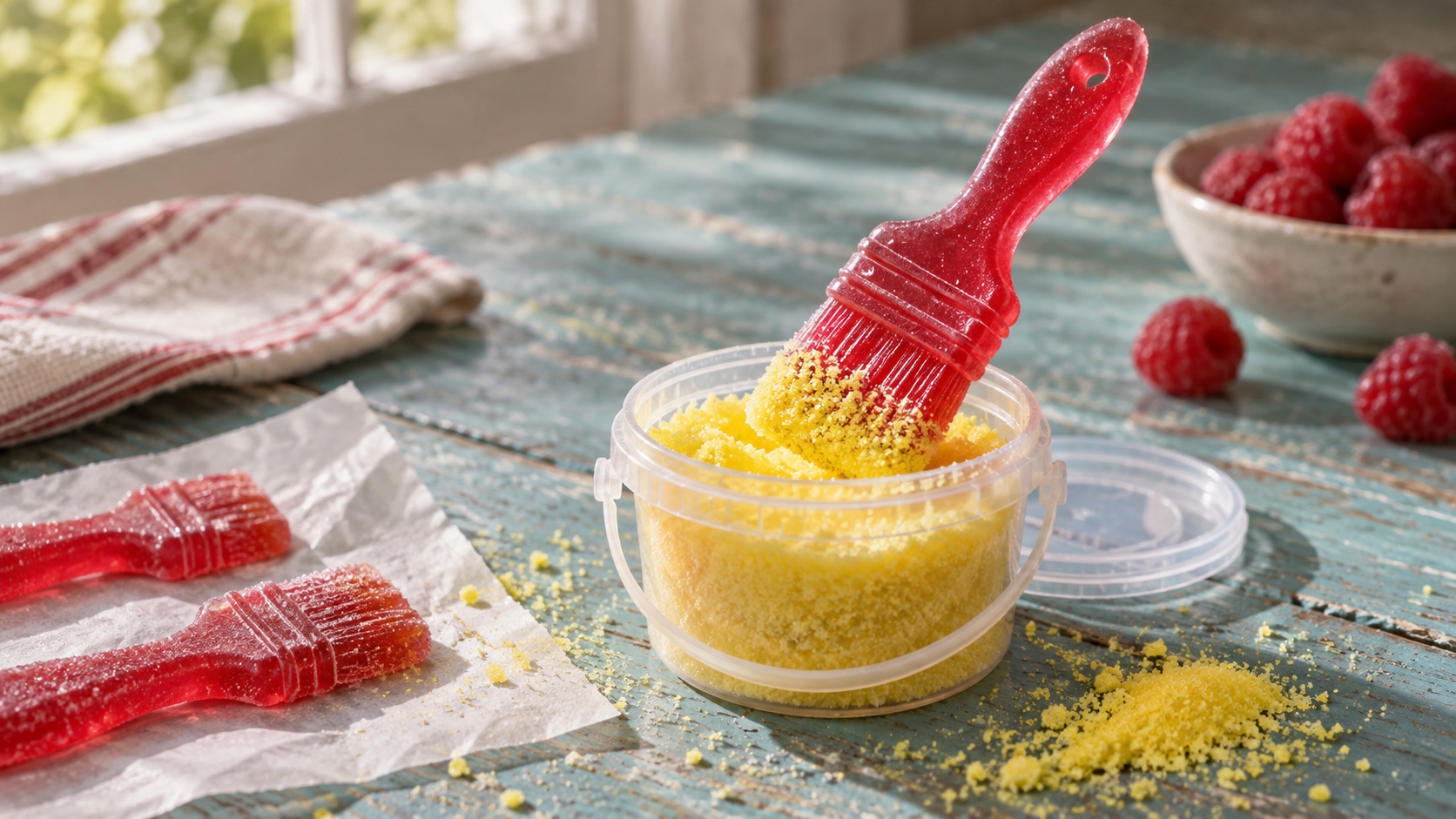
Verdict: delightfully literal, but not securely a 1990s candy. A 2005 retail description and a 2006 contemporary review describe a candy brush dipped into fruit-flavored or sour candy powder. They do not support the former story about decorating swirled lollipops with tubes of edible dye.
The miniature paint-kit ritual is what makes the product memorable: the tool, container, and powder turn each bite into a small task. It stays low in the ranking because the dated evidence located for this review points to the mid-2000s. Memory alone cannot move the launch backward a decade.
9. Charms Blow Pops: two candies in one, with no dangling charm
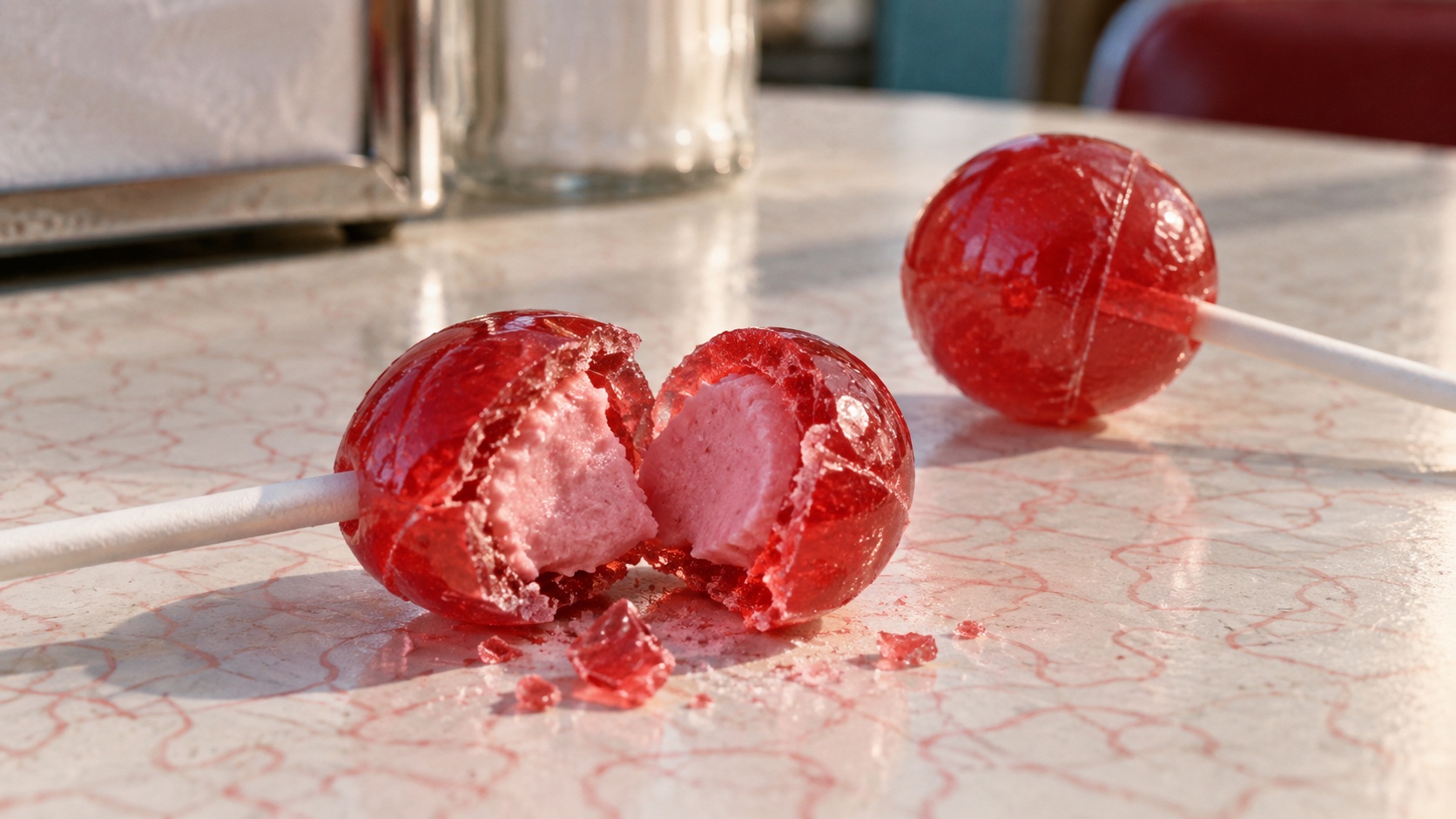
Verdict: a genuine candy hybrid, but not the product described in the old article. Tootsie Roll Industries' current product page says Charms Blow Pops combine a fruit-flavored hard-candy shell with a chewy bubble-gum center. There is no charm attached to the bubble, so the previous account of children decorating bubbles with charms was fiction.
Why it still belongs in a nostalgia list is the transition: first you work through a lollipop, then the center becomes gum. That two-stage format is odd enough without an invented playground contest, although the evidence reviewed here does not establish a 1990s launch.
10. Camel Balls: the name is real, the old description was not
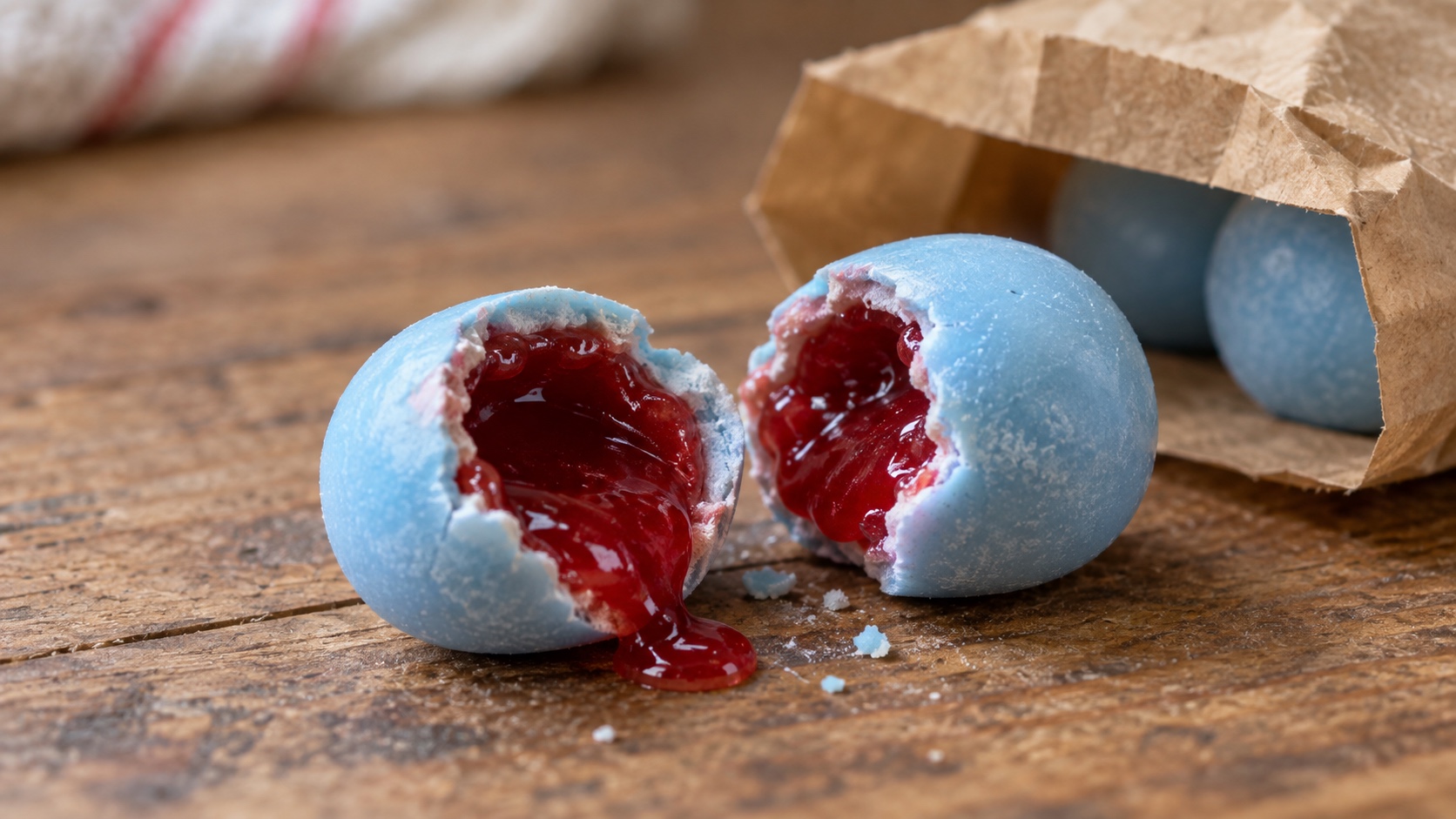
Verdict: ridiculous name, unsupported 1990s credentials. Current Fini export material identifies Camel Balls as bubble gum, and retailer ingredient listings describe a sour liquid center. That is a long way from the previous claim about chocolate nonpareils, marshmallow, outraged parents, and a quick discontinuation; no reliable source found for this review supports those details.
The product earns a place only as a fact-checking caution. A current catalog can establish what a candy is now, but it cannot establish that American children were eating it in the 1990s. Until a dated manufacturer catalog or advertisement appears, treat its decade link as unknown rather than nostalgic fact.
What actually defines a 1990s candy?
A decade list should distinguish three things: when a product launched, when it became culturally visible, and when a particular reader encountered it. Ring Pop can be a powerful 1990s memory even though it launched in 1977. Bubble Tape can be a 1990s icon even though it arrived in 1988. Camel Balls cannot be assigned to the decade merely because a current image circulates beside nostalgic products.
The larger pattern is more reliable than every disputed launch date: successful novelty candy made the package or eating method part of the entertainment. For another look at how brands turned food into an experience, see our fact-checked history of McDonald's PlayPlaces. If nostalgia sends you shopping for snacks, use our dollar-store food guide and compare unit prices instead of assuming the smallest package is the cheapest.
Frequently asked questions
Was Bubble Tape invented in the 1990s?
No. Hubba Bubba's official history dates Bubble Tape to 1988. Its canister and rolled format nevertheless became closely associated with 1990s candy culture.
When did Ring Pop come out?
Bazooka Candy Brands dates Ring Pop to 1977. It is a 1990s nostalgia staple, not a product invented during that decade.
What liquid-filled gum came out around the 1990s?
Bubbaloo is the strongest documented match. Mondelēz says it launched in several markets in 1988 and in the United States in 1989.
Were Camel Balls chocolate candies?
No reliable source reviewed here supports that claim. Current Fini material identifies Camel Balls as bubble gum, and current retailer listings describe a sour liquid center.
Sources and verification notes
Launch dates and current formats were checked on Hubba Bubba's official history, the Wm. Wrigley Jr. rolled-gum patent, Mondelēz International's corporate history, Bazooka Candy Brands' timeline, Tootsie's Blow Pops product page, Trolli's company history, and Trolli's Big Burger page. Current Trix Yogurt identity was checked against a General Mills product formulation statement. Where no dated primary source was found, the article labels the decade connection as uncertain instead of treating marketplace copy or nostalgia posts as proof.