Why Some McDonald’s PlayPlaces Disappeared—and How to Find One

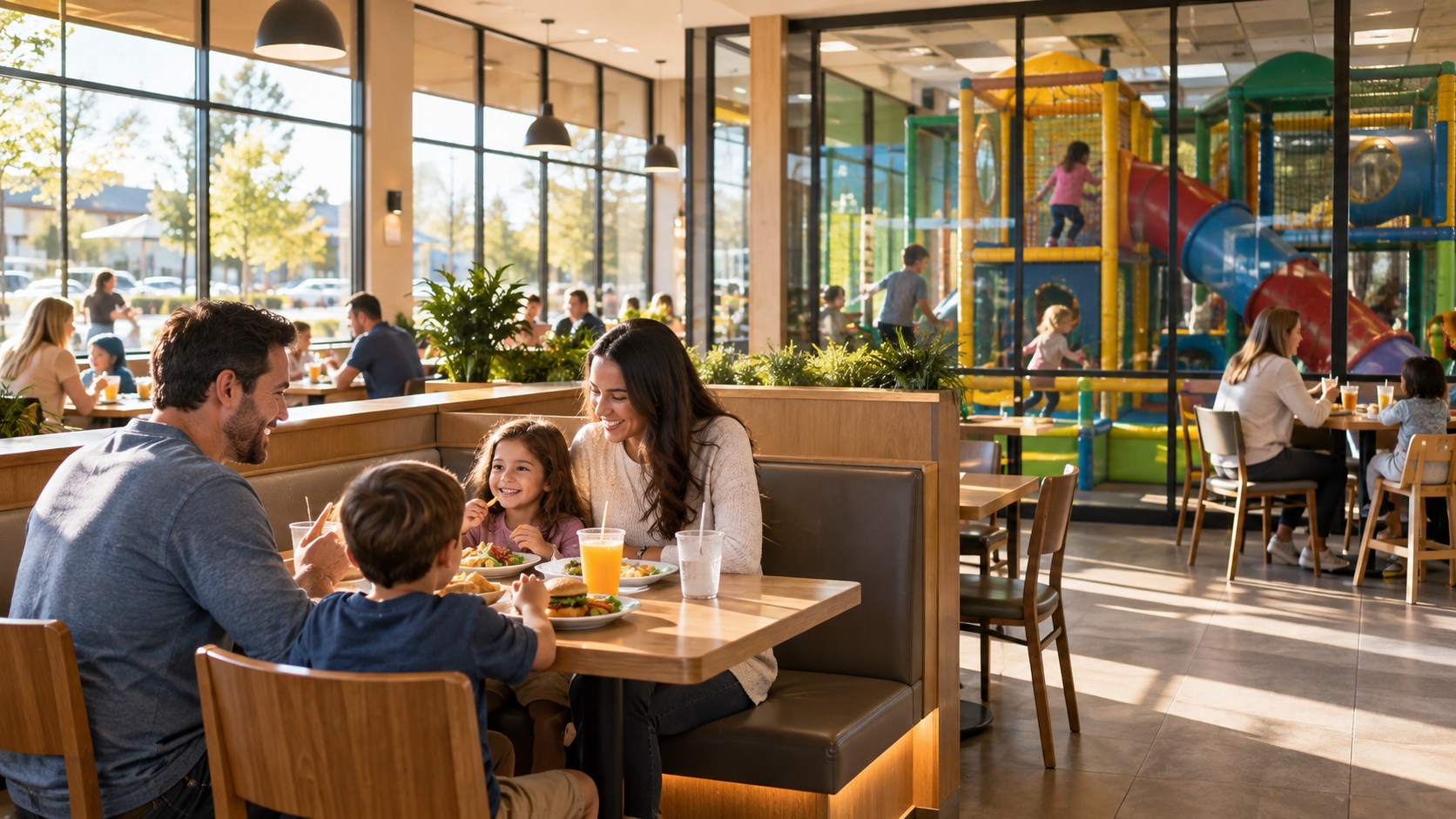
McDonald’s did not ban PlayPlaces nationwide, and they have not disappeared completely. The company still promotes restaurants with indoor and outdoor PlayPlaces and provides a locator filter for them. What changed is the restaurant-by-restaurant footprint: many remodels prioritized digital ordering, drive-thru service, and flexible dining space, while play areas also brought cleaning, maintenance, and safety obligations.
That distinction matters because there is no public national count showing how many PlayPlaces remain or how many were removed for each reason. A location with no playground is evidence about that restaurant, not proof of a single corporate policy. The answer combines McDonald’s current locator, its documented modernization program, and the operational history of restaurant playgrounds.
The short answer: PlayPlaces still exist
McDonald’s maintains an official PlayPlaces & Parties page that directs families to restaurants with indoor or outdoor play areas. Its U.S. restaurant locator also includes a PlayPlace service filter. Those current tools are stronger evidence than anecdotes about one remodeled restaurant: the amenity remains part of the system, but it is not available at every location.
McDonald’s operates through a mix of company-run and franchised restaurants, and its own account of the Experience of the Future remodel says restaurant owners could customize a remodel for their guests. Corporate standards and investment plans still shape the system, so it would be too simple to say that every removal was a franchisee’s independent choice. In practice, building layout, the owner’s remodel plan, local demand, and operating requirements can produce different results from one address to the next.
How the restaurant playground changed
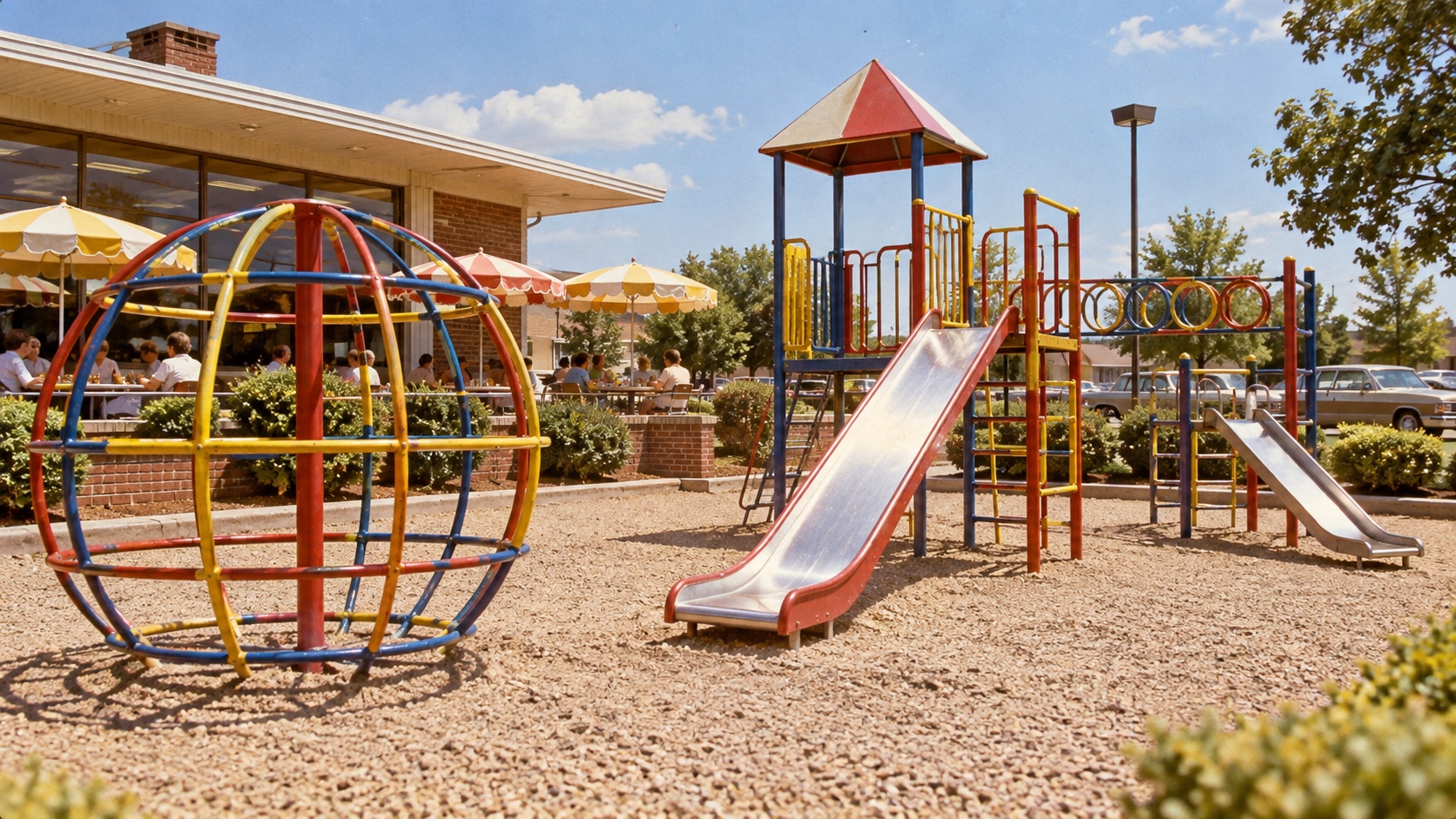
Early fast-food playgrounds were often outdoor installations built around conspicuous metal climbers, slides, and branded scenery. They made the play area a visible part of the restaurant’s identity. By the 1990s and early 2000s, the familiar model had shifted indoors: padded platforms, netting, crawl tubes, and ball pits allowed families to use the space in more kinds of weather.
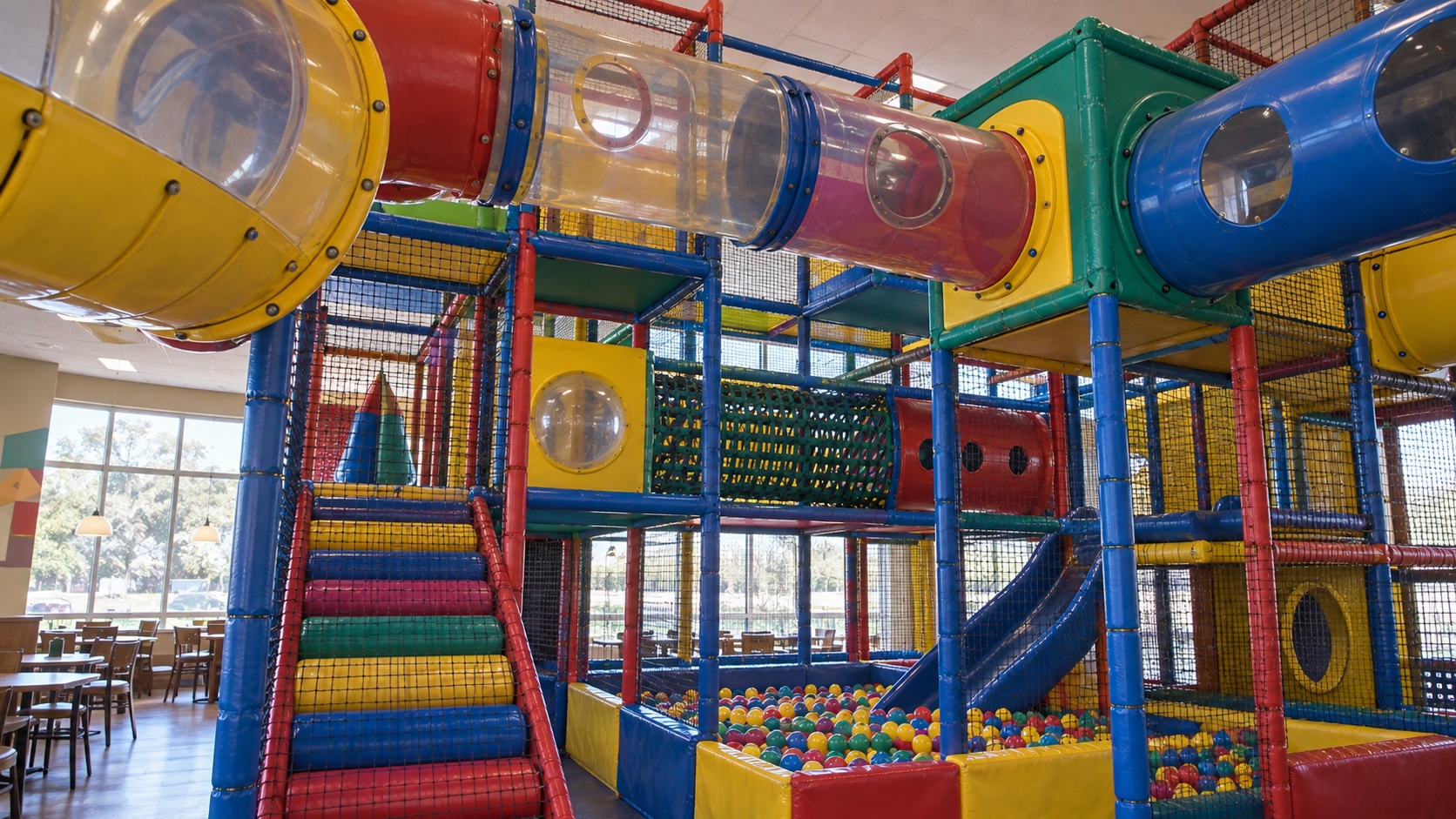
That evolution also changed the work behind the amenity. An enclosed maze has many high-touch surfaces and hard-to-reach corners. It needs inspection, cleaning, and repairs while occupying floor area that cannot easily serve another purpose. The design may feel nostalgic to adults, but for an operator it is also a permanent piece of restaurant infrastructure.
Why many locations removed or reduced their play areas
1. Remodels shifted space toward digital and faster service
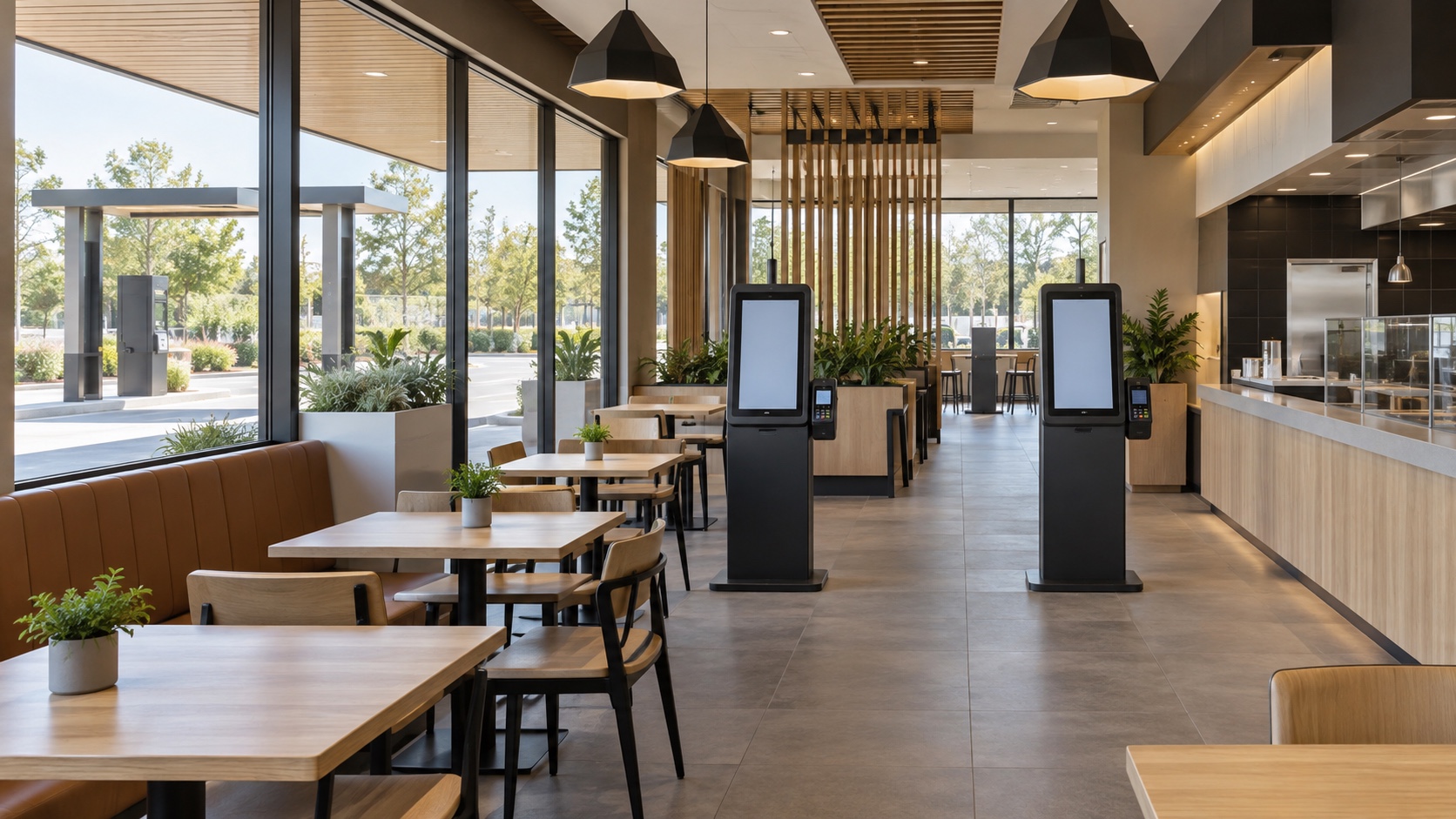
McDonald’s documented a broad restaurant-modernization program called Experience of the Future. Its 2016 annual report described the program as an investment in modernization and technology, including mobile ordering, self-order kiosks, table service, and curbside pickup. In 2019, the company said the format had reached about half of its roughly 14,000 U.S. restaurants and that owners could customize their remodels.
Those sources do not say that EOTF automatically removed PlayPlaces. They do show why a remodel could force a new space calculation. Kiosks need circulation room, redesigned kitchens and pickup flows affect the floor plan, and drive-thru or curbside service competes for the property around the building. At some restaurants, a large playground remained useful; at others, more seating, a simpler interior, or vehicle-service capacity won the trade-off.
2. Cleaning became a visible operating issue
In 2011, child-development researcher Erin Carr-Jordan drew national attention to sanitation in fast-food play areas after documenting debris and commissioning laboratory tests of swab samples from structures in several states. Contemporary reporting described pathogens in samples and gaps in consistent oversight. McDonald’s responded at the time that PlayPlace sanitation and cleanliness were priorities.
The campaign was not a peer-reviewed national census of every McDonald’s playground, so it should not be stretched into the claim that all PlayPlaces were dirty. It did make the maintenance burden harder to ignore. Large tube structures require staff access to enclosed surfaces, repeated cleaning, and a way to take equipment out of service when contamination or damage is found.
3. Safety, liability, and the economics of floor space matter
Play equipment creates responsibilities that ordinary dining tables do not. A 1999 U.S. Consumer Product Safety Commission settlement concerned McDonald’s failure to report injuries associated with the long-removed Big Mac Climber. The case involved older equipment, not today’s PlayPlaces, but it demonstrates that inspection, injury reporting, and safe design are real operating concerns rather than abstract fears.
Insurance and premises-liability exposure are often cited as reasons to remove playgrounds, yet McDonald’s and its insurers do not publish a national breakdown showing how many removals were caused by premiums or claims. Treat insurance as one possible local cost, not the secret explanation for every closure. The same caution applies to floor-space economics: a playground can attract families, but each restaurant must balance that benefit against cleaning, repairs, seating, and service capacity.
What replaced the giant tube maze?
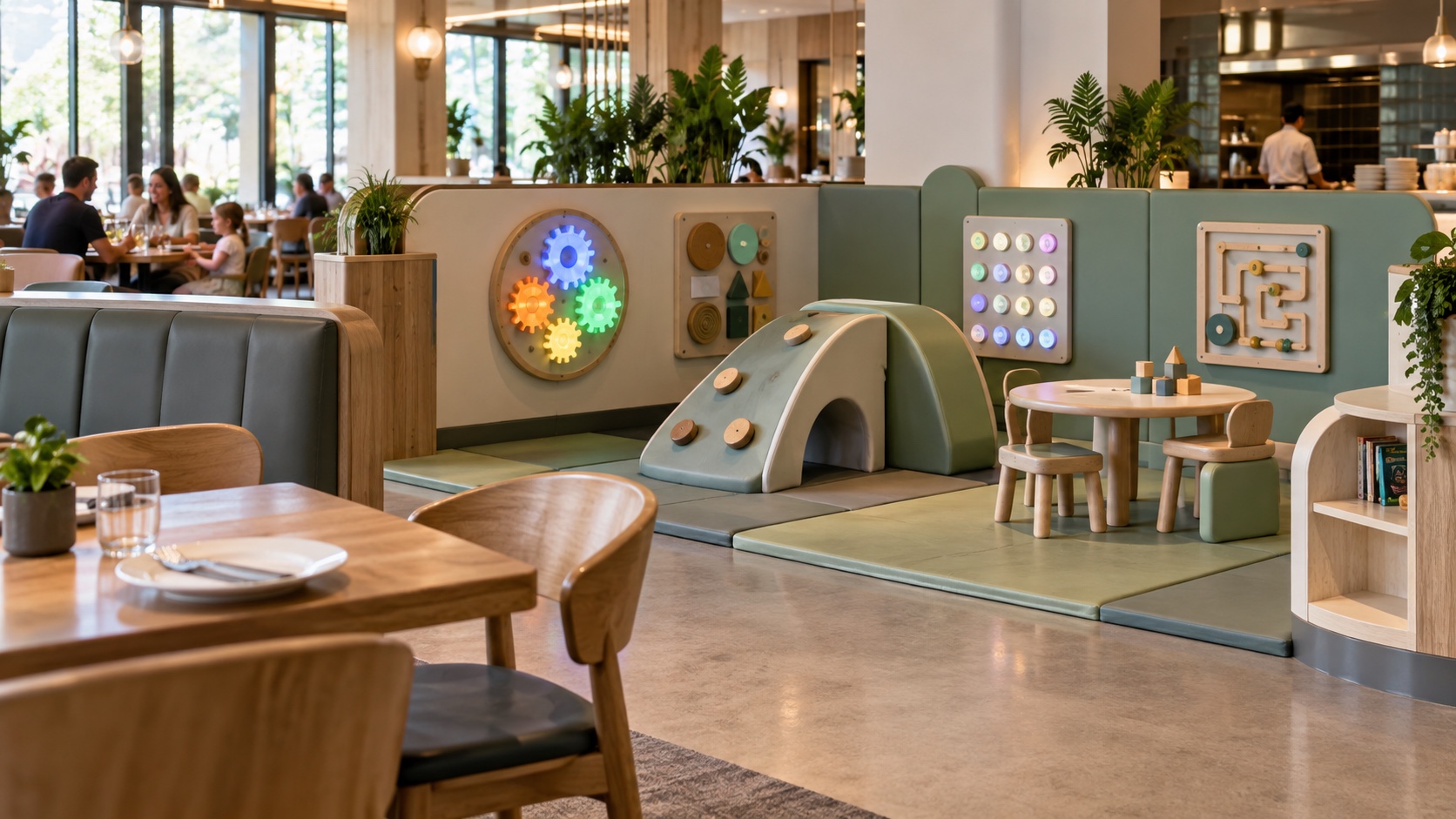
There is no single replacement. Some restaurants retain a full indoor or outdoor PlayPlace, some have no play amenity, and some family restaurants use smaller activity areas or interactive elements. A compact zone can offer better sightlines and fewer enclosed surfaces, but it is not equivalent to a multi-level playground. The official locator’s distinction between Indoor PlayPlace and Outdoor PlayPlace is more useful than assuming a standard design.
How to find a McDonald’s with a PlayPlace
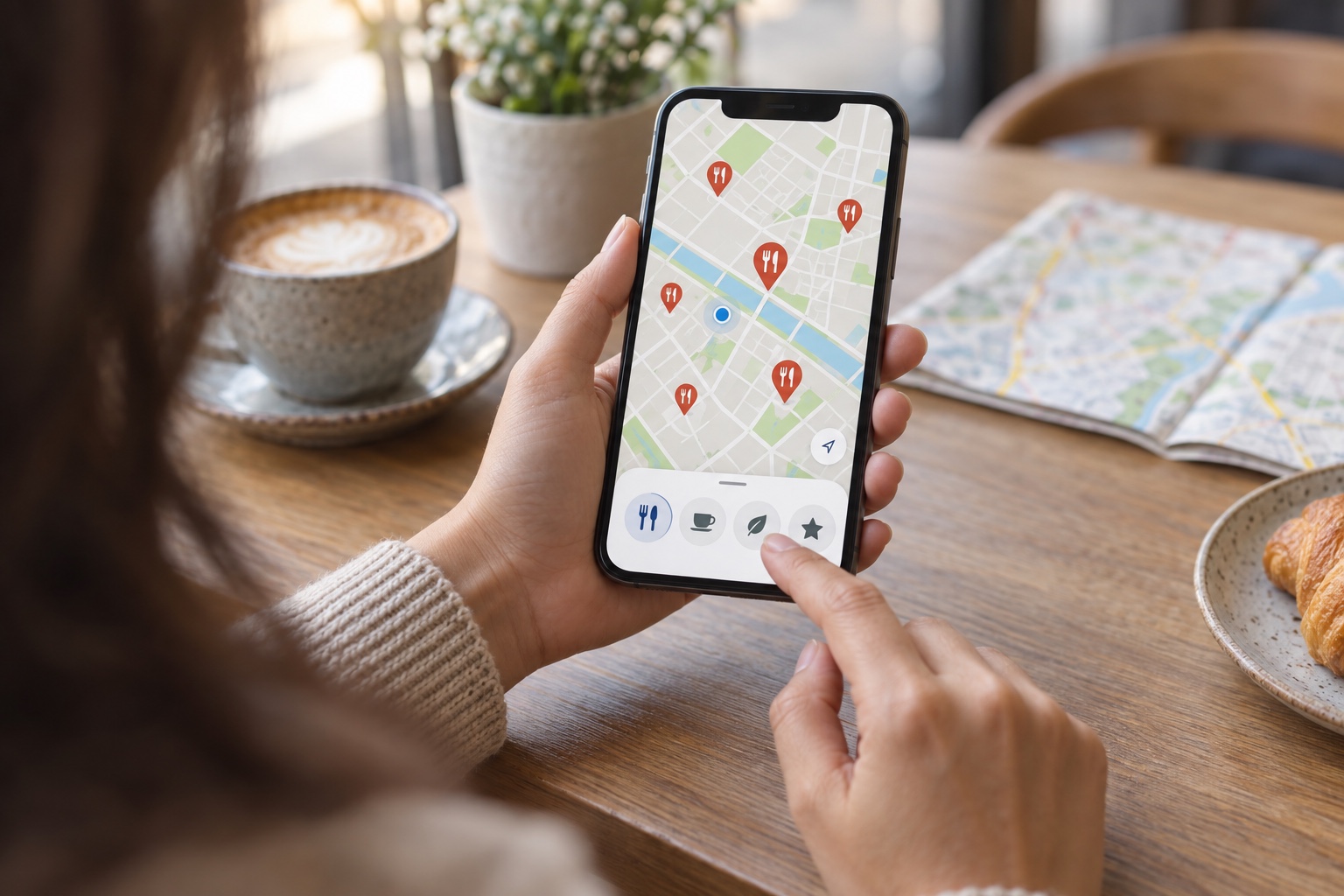
McDonald’s published separate instructions for the website and app. As checked on September 21, 2026, the website offers a PlayPlace filter, while the app asks you to inspect the services listed for each restaurant.
On mcdonalds.com
- Open the official McDonald’s restaurant locator.
- Allow location access or enter a ZIP code, city, and state.
- Open Filters.
- Under Services, select PlayPlace, then update the results.
- Increase the search radius if no nearby result appears.
In the McDonald’s app
- Tap More in the bottom navigation, then choose Locations.
- Search the map or enter the area you plan to visit.
- Select a location pin and tap View Details.
- Read the services list for Indoor PlayPlace or Outdoor PlayPlace.
Restaurant services can change, and a listed PlayPlace may be temporarily closed for cleaning, repairs, or local operating reasons. If the playground is the reason for your trip, call the restaurant before leaving home. The locator provides the address, phone number, hours, and available services for participating locations.
Frequently asked questions
Did McDonald’s get rid of all its playgrounds?
No. McDonald’s still promotes PlayPlaces and provides a locator filter for restaurants that list the amenity. Availability varies by location.
Why did my local McDonald’s remove its PlayPlace?
The public record rarely identifies one cause for one restaurant. Remodel priorities, available space, cleaning and maintenance work, safety obligations, and local operating economics can all affect the decision. Ask that restaurant for the most specific answer.
Can I filter for a PlayPlace in the app?
The current U.S. app instructions say to open each location’s details and look for Indoor PlayPlace or Outdoor PlayPlace in its services. The website locator offers a direct PlayPlace filter.
How many McDonald’s PlayPlaces are left?
McDonald’s does not publish a current annual national total in its public restaurant reporting. Any precise nationwide percentage without a dated, auditable source should be treated cautiously.
The practical takeaway
PlayPlaces are now a location-specific amenity, not a vanished national program. Modernization helps explain why the large playground became less common, while sanitation, maintenance, safety, liability, and floor-space trade-offs help explain why individual layouts diverged. For a family planning a stop, the useful next move is not to guess which era a building belongs to: use the official locator, check the listed services, and call ahead.
Sources and verification
Current availability and locator steps were checked against McDonald’s official PlayPlaces page, playground-locator FAQ, and restaurant locator. Modernization details come from the company’s 2016 annual report and its 2019 account of Experience of the Future remodels. Historical safety evidence comes from the U.S. Consumer Product Safety Commission. The limits and context of Erin Carr-Jordan’s 2011 sanitation campaign were checked against contemporaneous reporting by Food Safety News.