
Nylon Underwear vs Cotton: Should You Make the Switch?

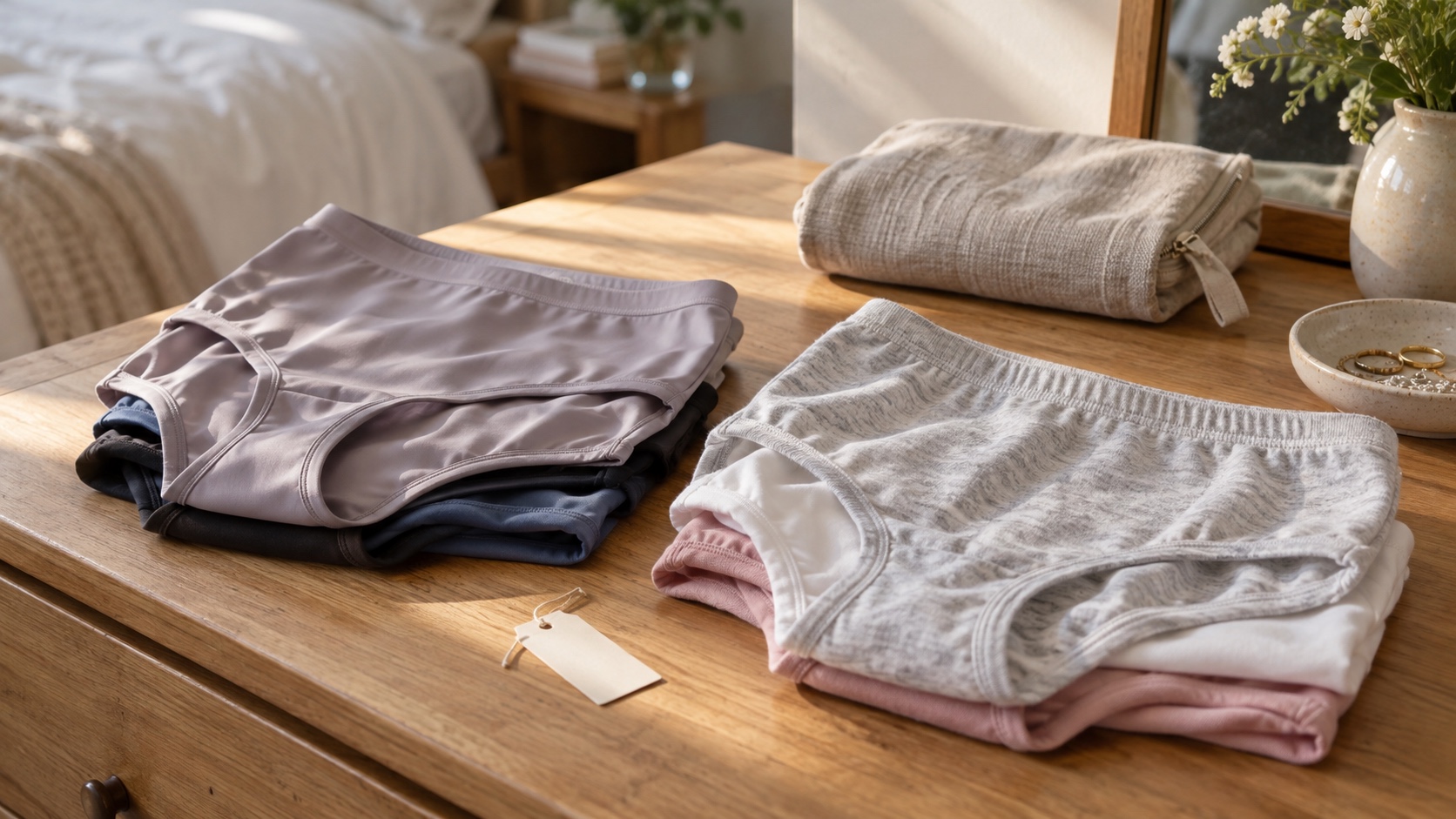
Nylon is usually the more practical underwear fabric for workouts, travel, and situations where quick drying matters. Cotton is often the more comfortable everyday choice when softness, absorbency, and a breathable-feeling fabric matter most. You do not need to switch your entire drawer: compare the actual knit, fit, seams, lining, and care label, then choose by use case.
This comparison ranks the factors that most often change the decision: moisture handling, fabric construction, fit during movement, skin sensitivity, durability, blends, and garment details. “Nylon underwear” and “cotton underwear” describe fiber content, not one universal design. A light mesh knit and a dense knit made from the same fiber can perform very differently.
1. What Makes Nylon a Useful Underwear Fabric?
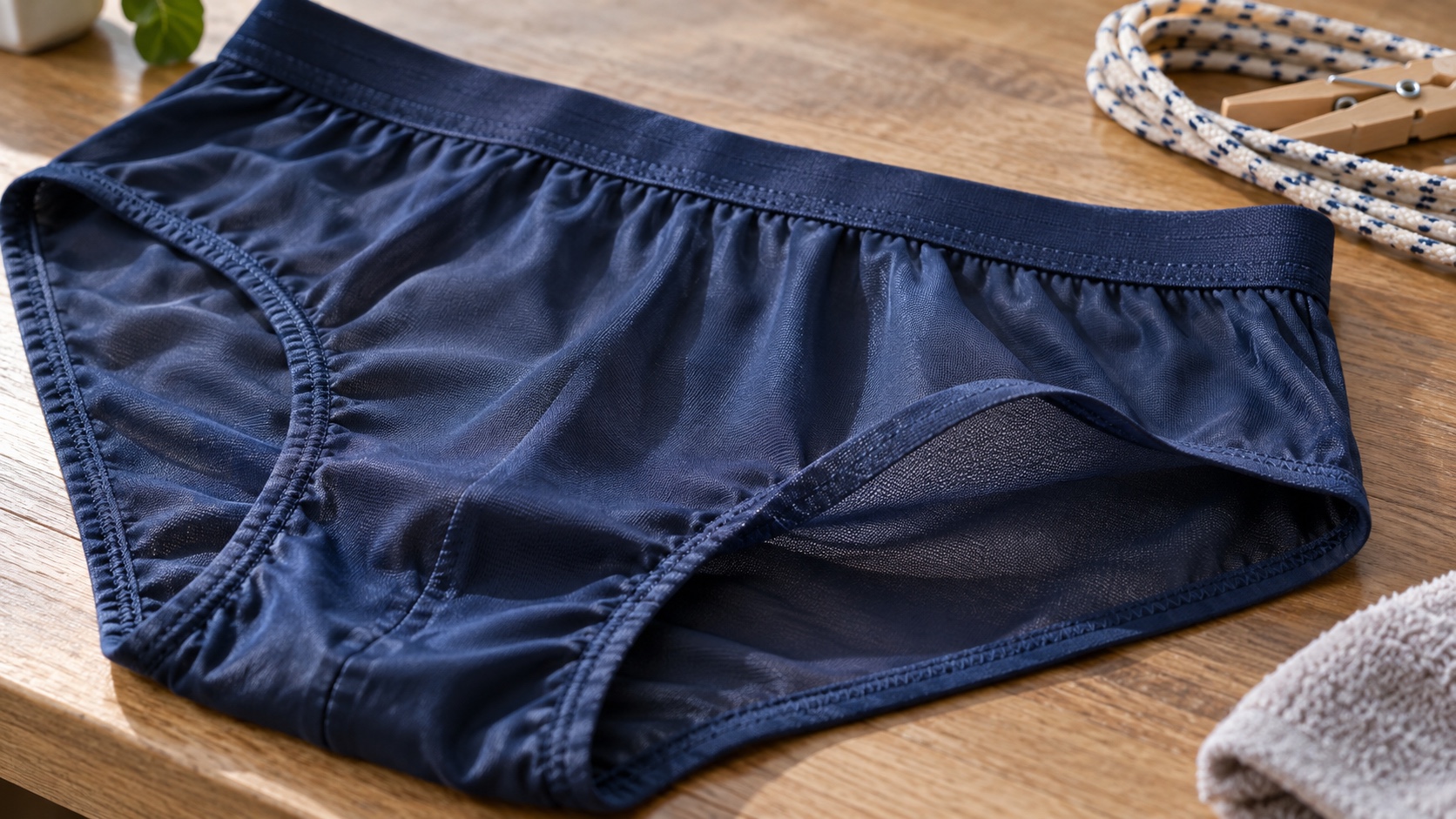
Best for: packing light, washing on the road, and garments that need a smooth surface with good abrasion resistance. Nylon is a manufactured polyamide fiber. Compared with cotton, it has lower standard moisture regain—the amount of water a dry fiber takes up from humid air—so it usually releases absorbed moisture and dries faster.
That does not automatically make every nylon fabric “moisture-wicking” or highly breathable. Wicking means moving liquid through or along a fabric, and it depends on yarn shape, knit structure, finishes, and garment design. A dense nylon brief can feel warmer than an open cotton knit; a well-engineered nylon mesh can move moisture more effectively than a heavy cotton jersey. Treat performance language on packaging as a product claim, not an inherent promise from the word nylon.
2. Nylon vs. Cotton Underwear: The Consistent Comparison
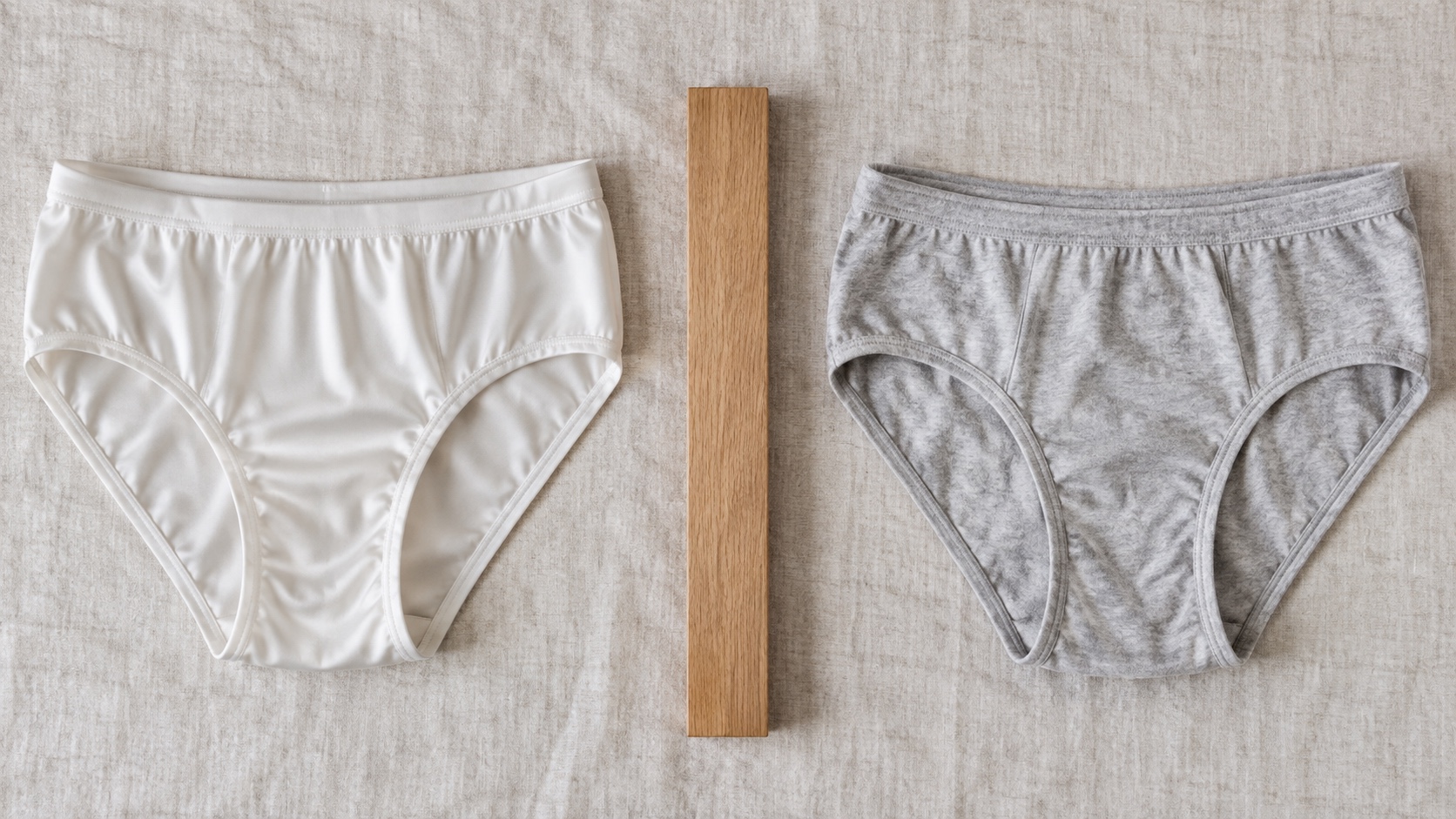
| Criterion | Nylon underwear | Cotton underwear |
|---|---|---|
| Moisture | Absorbs less into the fiber and generally dries faster; wicking varies by construction | Absorbs more moisture and may stay damp longer, but can feel comfortable in ordinary low-sweat use |
| Feel | Often smooth, light, and close-fitting | Often soft, familiar, and less slick |
| Stretch and recovery | Resilient; commonly blended with spandex for more stretch | Limited stretch on its own; often blended with spandex for fit |
| Durability | Good abrasion resistance, but heat can damage fiber and elastic | Strong when wet and washable, but may shrink or lose shape depending on knit and care |
| Skin considerations | Smooth fabric may reduce friction for some people; dyes, finishes, heat, or trapped sweat may bother others | Often recommended when irritation is present, especially a cotton panel, but seams, detergent, dye, and dampness can still irritate |
Cotton's absorbency is not simply a flaw. It helps the fiber take up moisture, which can feel comfortable until the fabric becomes saturated. Nylon's lower absorbency supports quicker drying, but the liquid still has to travel somewhere. In both materials, a good fit that avoids bunching and pressure points can matter more for chafing than the fiber name alone.
3. Nylon Can Work Well for Active Underwear—Not Only for Men
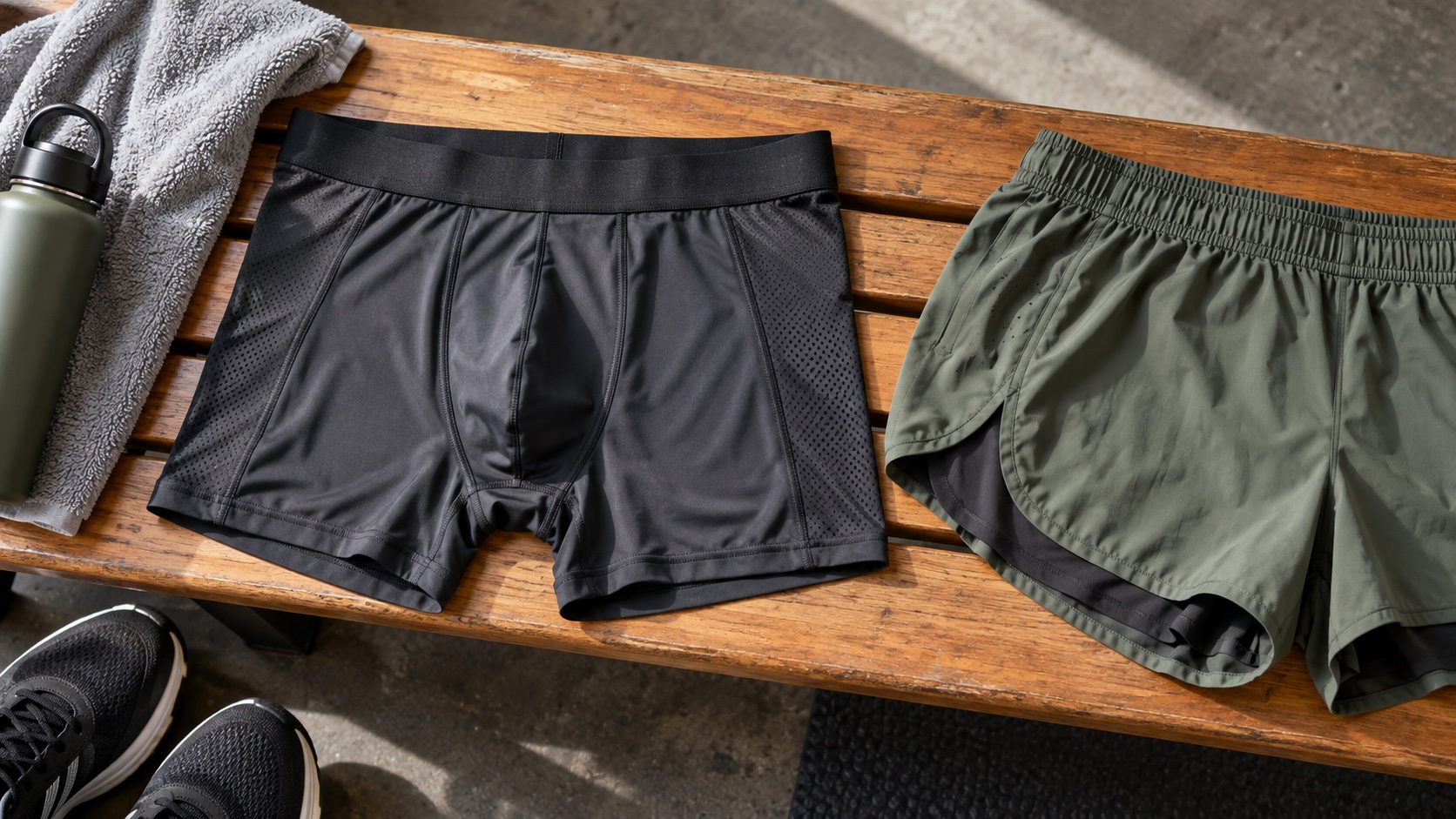
Best for: running, gym sessions, warm-weather travel, and other times when a damp garment would be distracting. Nylon boxer briefs, briefs, and boyshorts can all benefit from a thin fabric and shape recovery. The practical advantage comes from keeping the garment fitted without heavy, water-loaded fabric—not from a special benefit unique to male anatomy.
Look for flat seams, a waistband that stays in place without digging, and enough leg coverage for the way you move. Change out of sweaty underwear after exercise rather than relying on a permanent “odor-resistant” promise. Nylon itself does not guarantee antimicrobial performance, and body oils can remain in synthetic fabrics if laundering does not remove them.
4. Sensitive Skin: Cotton Is Often the Safer Starting Point
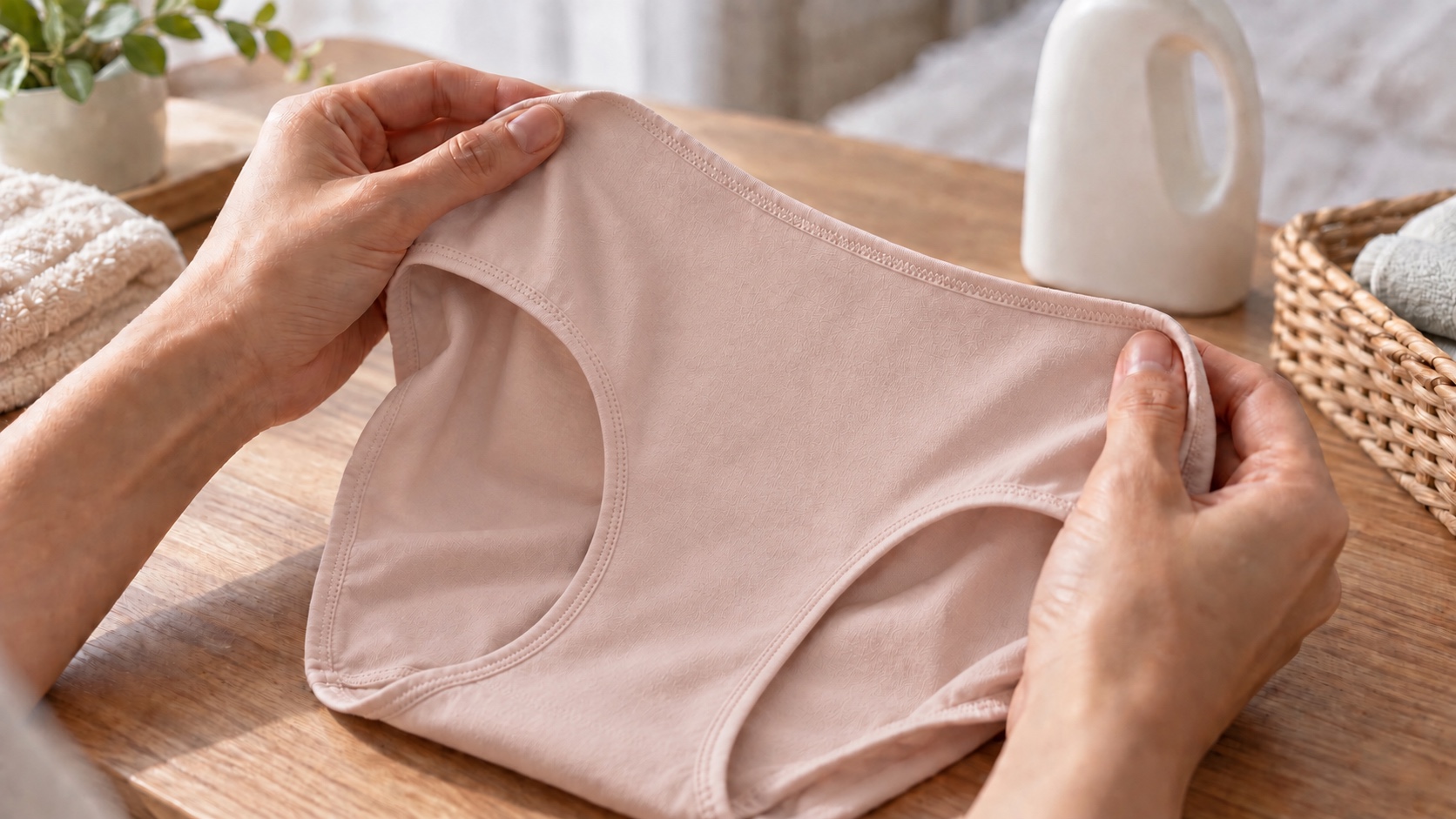
Best starting point when irritation is present: loose-fitting cotton underwear, or underwear with a cotton panel, plus fragrance-free laundry care. The American College of Obstetricians and Gynecologists recommends 100% cotton underwear for vulvar pain and a cotton panel for general vulvovaginal care. That directly contradicts the broad claim that nylon is “least likely” to cause a reaction.
Nylon may still feel smoother and reduce mechanical rubbing for an individual wearer. But sensitive skin can react to more than the base fiber: disperse dyes, textile finishes, elastic, detergent residue, tight seams, heat, and prolonged dampness can all matter. The American Academy of Dermatology notes that clothing dyes and fabrics can contribute to contact dermatitis and recommends washing new clothing before wear if you have a history of reactions.
If you want the smooth outer feel of nylon, nylon underwear with cotton lining or a cotton gusset can be a reasonable compromise. Persistent itching, pain, a rash, or broken skin deserves medical evaluation; switching fabric is not a diagnosis or a treatment plan.
5. Care and Durability: Read the Label, Then Reduce Heat
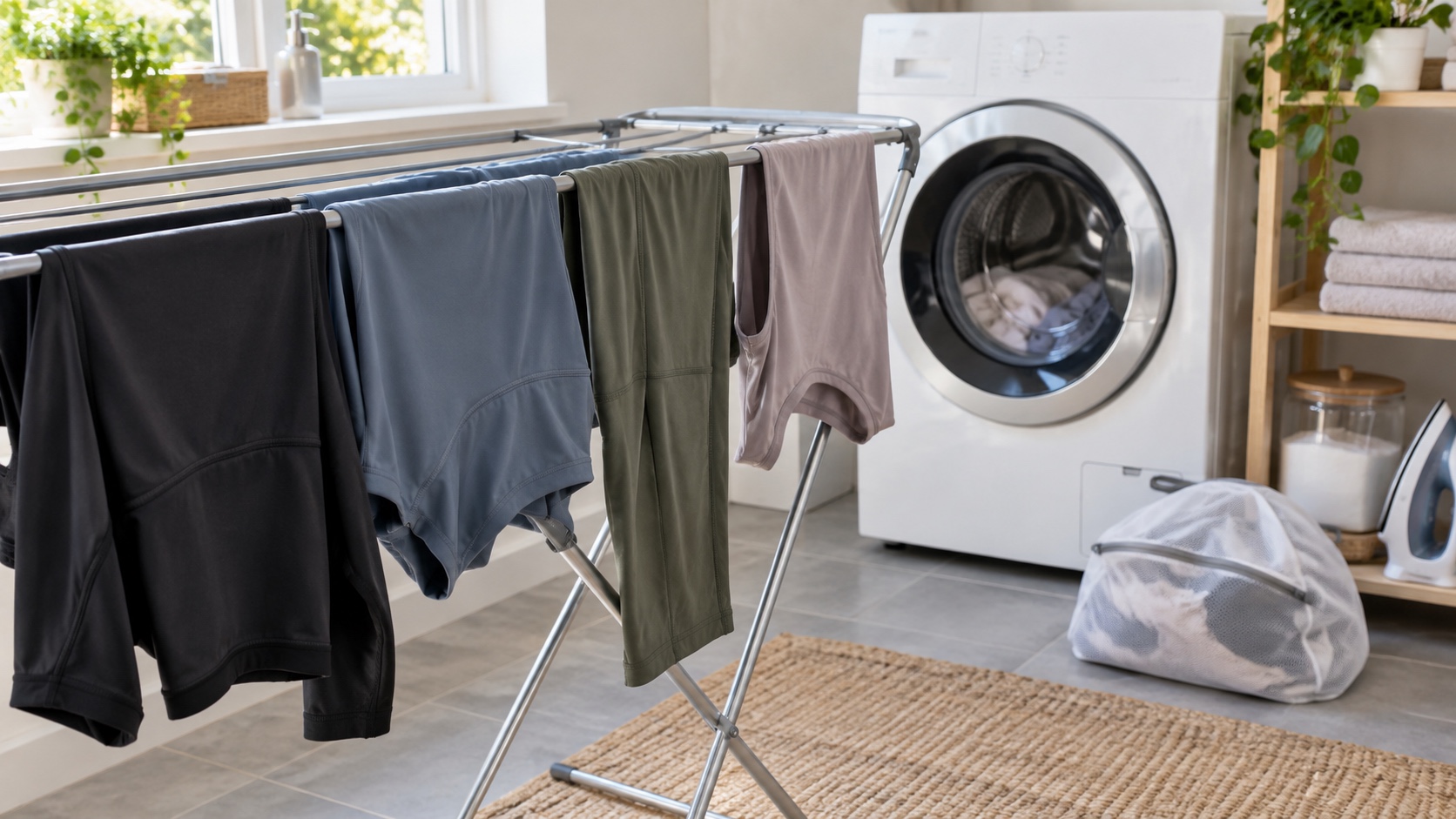
Best for: travelers and anyone who values short drying time. Nylon is resilient and abrasion-resistant, but “easy care” does not mean every pair should be washed and tumble-dried on any setting. Heat can damage nylon and can shorten the life of elastane and elastic components. Follow the garment's care label; the Federal Trade Commission requires manufacturers and importers to provide care instructions with a reasonable basis.
A mesh bag, gentle cycle, and air drying are sensible defaults when the label allows them. Wash colors with similar colors, and deal with body oils using the amount and type of detergent the product and machine call for. More detergent is not automatically cleaner—our guide to laundry detergent facts explains why residue and dosage matter.
Cotton tolerates washing well and becomes stronger when wet, but a cotton knit can shrink or relax depending on construction and drying temperature. Durability belongs to the whole garment: fabric weight, stitching, waistband quality, rotation, and care are better predictors than an unsupported promise that nylon will last “years, not months.”
6. Nylon-Spandex Blends Add Stretch, Not Cotton's Benefits
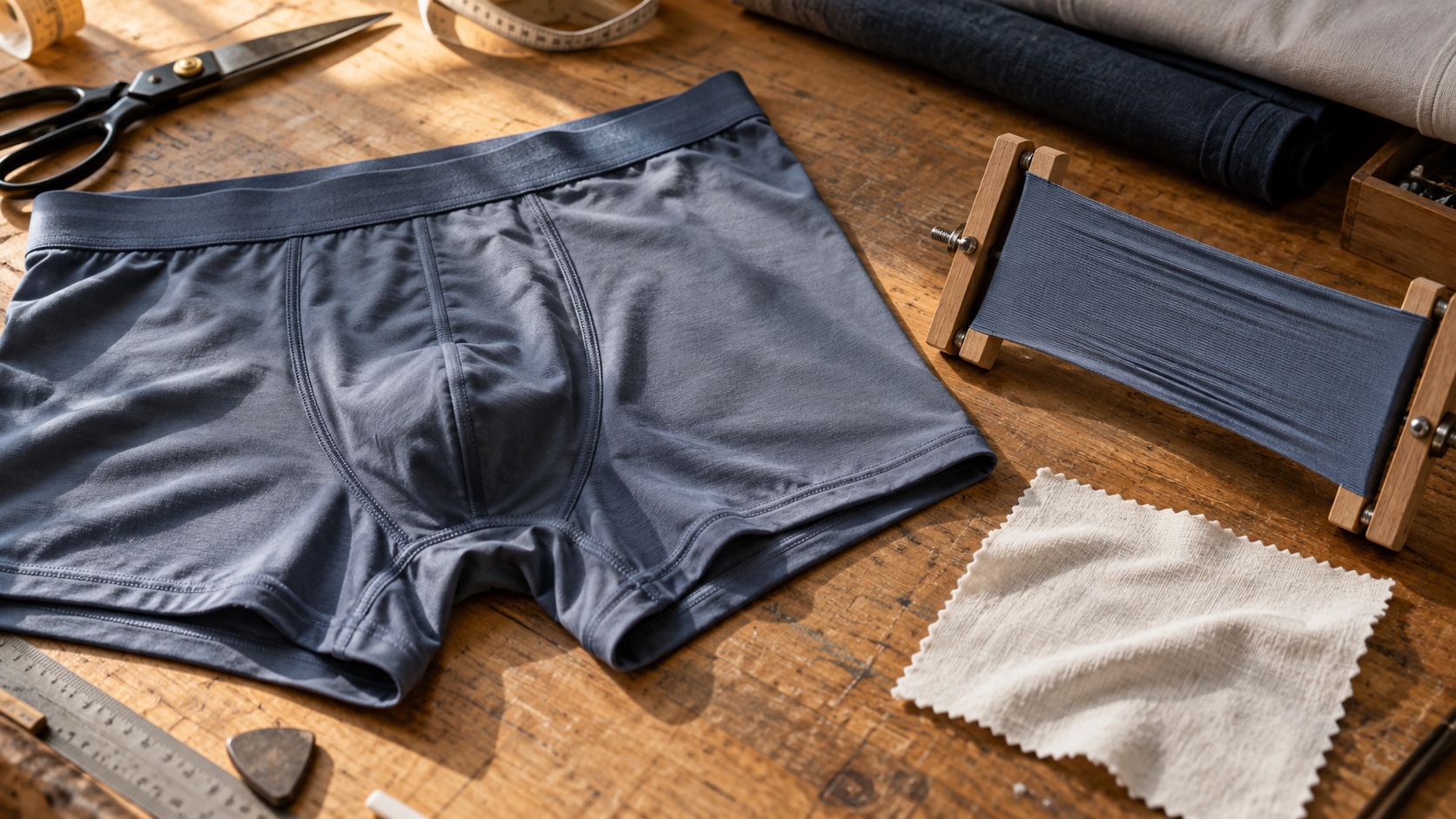
A nylon-spandex blend combines nylon's strength and smooth surface with spandex's high stretch and recovery. That pairing can help underwear follow movement and return to shape. It does not provide “the benefits of both nylon and cotton” unless cotton is actually listed in the fiber content.
In the United States, textile labels generally disclose generic fiber names and percentages by weight. Read that line instead of relying on a trademark or words such as “performance.” Even a small percentage of spandex can have a functional role. The trade-off is care: stretch fibers and elastic generally benefit from lower heat, and a very compressive blend can feel less comfortable than a softer, looser garment.
7. How to Find the Best Pair for Your Needs
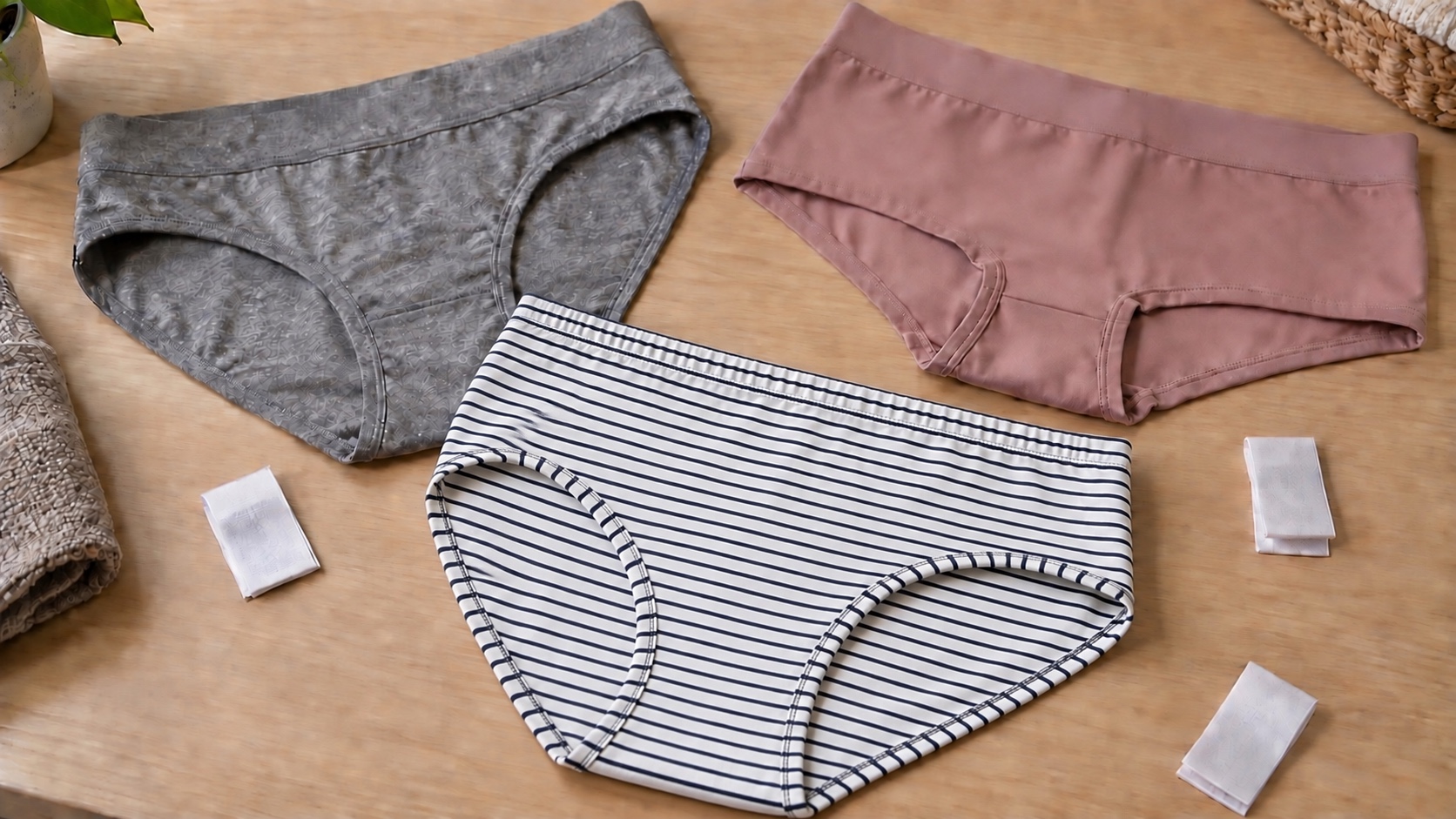
- Read the fiber percentages. “Nylon” may mean mostly nylon with spandex, a cotton-lined gusset, or a multi-fiber blend.
- Match the fabric to the activity. Quick drying has more value for workouts and travel than for a quiet day at home.
- Inspect the contact points. Waistband, leg openings, seams, tags, and lining are common places for pressure or rubbing.
- Choose the manufacturer's size chart. Do not automatically size up; loose fabric can bunch, while a tight garment can trap heat and create pressure.
- Buy one before a multipack. Wear and wash it according to the label, then decide whether the cut and fabric work for you.
Construction is easier to judge in person: stretch the waistband gently, look for rough seam ends, and check whether the lining lies flat. If you are comparing secondhand garments more broadly, our quality-clothing checklist covers stitching, wear, fabric condition, and realistic value.
8. Should You Switch from Cotton to Nylon?
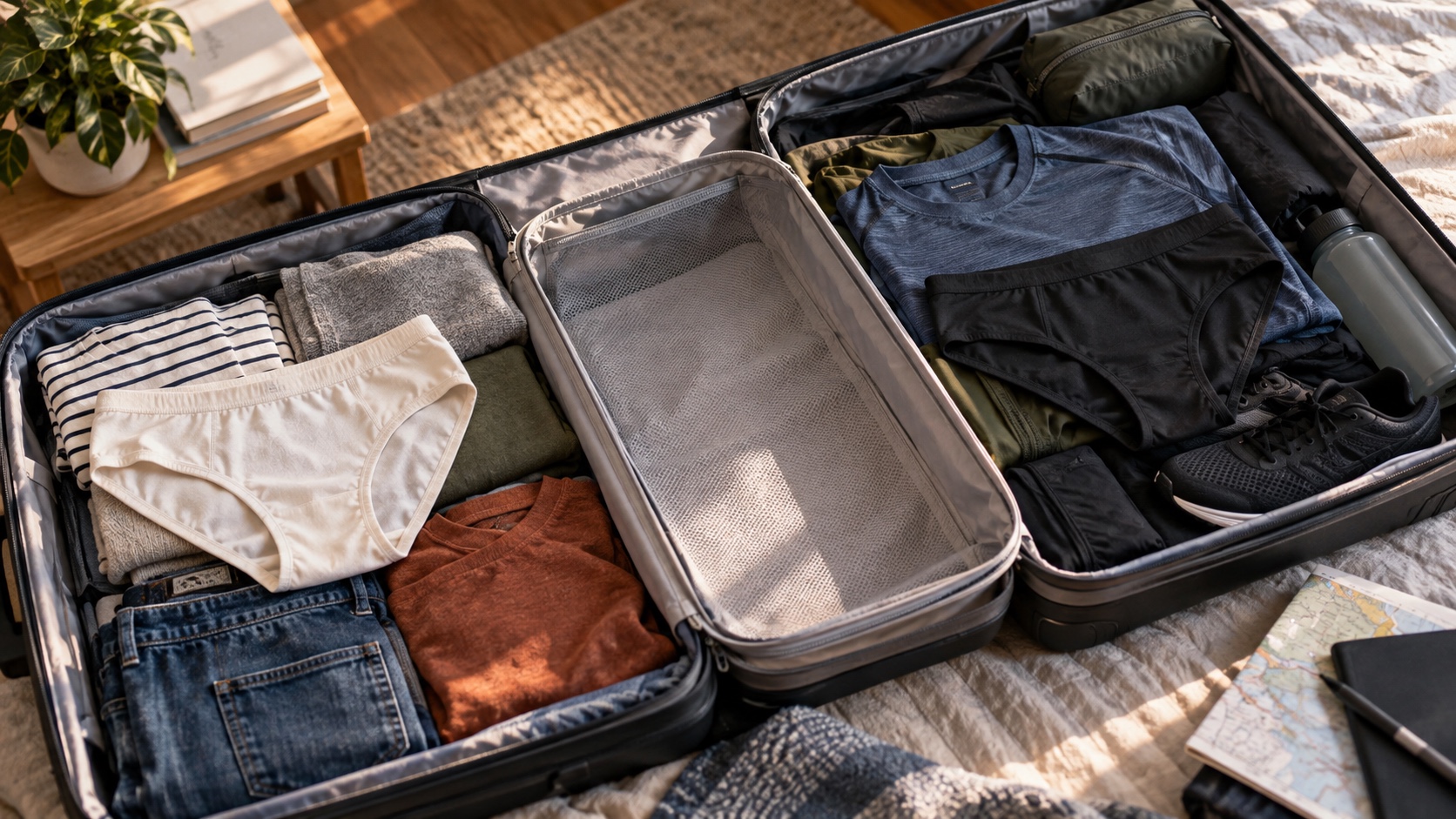
Switch for a specific problem, not because one fiber wins every category. Try nylon when cotton stays damp during activity, takes too long to dry while traveling, or loses the close fit you prefer. Stay with cotton—or test a cotton-lined option—when it already feels comfortable, when your clinician recommends it for irritation, or when nylon makes you feel hot or itchy.
A one-pair trial gives you better evidence than a brand's broad material claim. Evaluate comfort while sitting and moving, drying time after the first wash, seam pressure, odor after proper laundering, and how the fabric feels after several wears. Stop using any garment that reliably causes irritation.
9. Key Takeaways
- Nylon generally absorbs less moisture into the fiber and dries faster than cotton.
- Low absorbency is not the same as guaranteed moisture wicking, breathability, or odor resistance.
- Cotton absorbs more moisture and often feels softer, but it may stay damp longer during heavy activity.
- For sensitive vulvar skin, cotton or a cotton panel is the evidence-aligned starting point—not a claim that nylon is hypoallergenic.
- Nylon-spandex adds stretch and recovery; fiber percentages tell you what the garment actually contains.
- Fit, seams, lining, knit, dye, finish, elastic, and care can matter as much as the main fiber.
Sources and Verification
Material properties were checked September 21, 2026 against the National Institute of Standards and Technology review of fiber moisture regain and water transport and the University of Georgia Extension textile guide. U.S. fiber and care-label guidance comes from the Federal Trade Commission's textile-labeling guide and Care Labeling Rule guide. Sensitive-skin cautions use the American College of Obstetricians and Gynecologists' vulvovaginal health guidance and the American Academy of Dermatology's contact dermatitis guidance. These sources support general education, not individualized medical advice.