10 Unlucky Things You Should Never Keep at Home—Explained

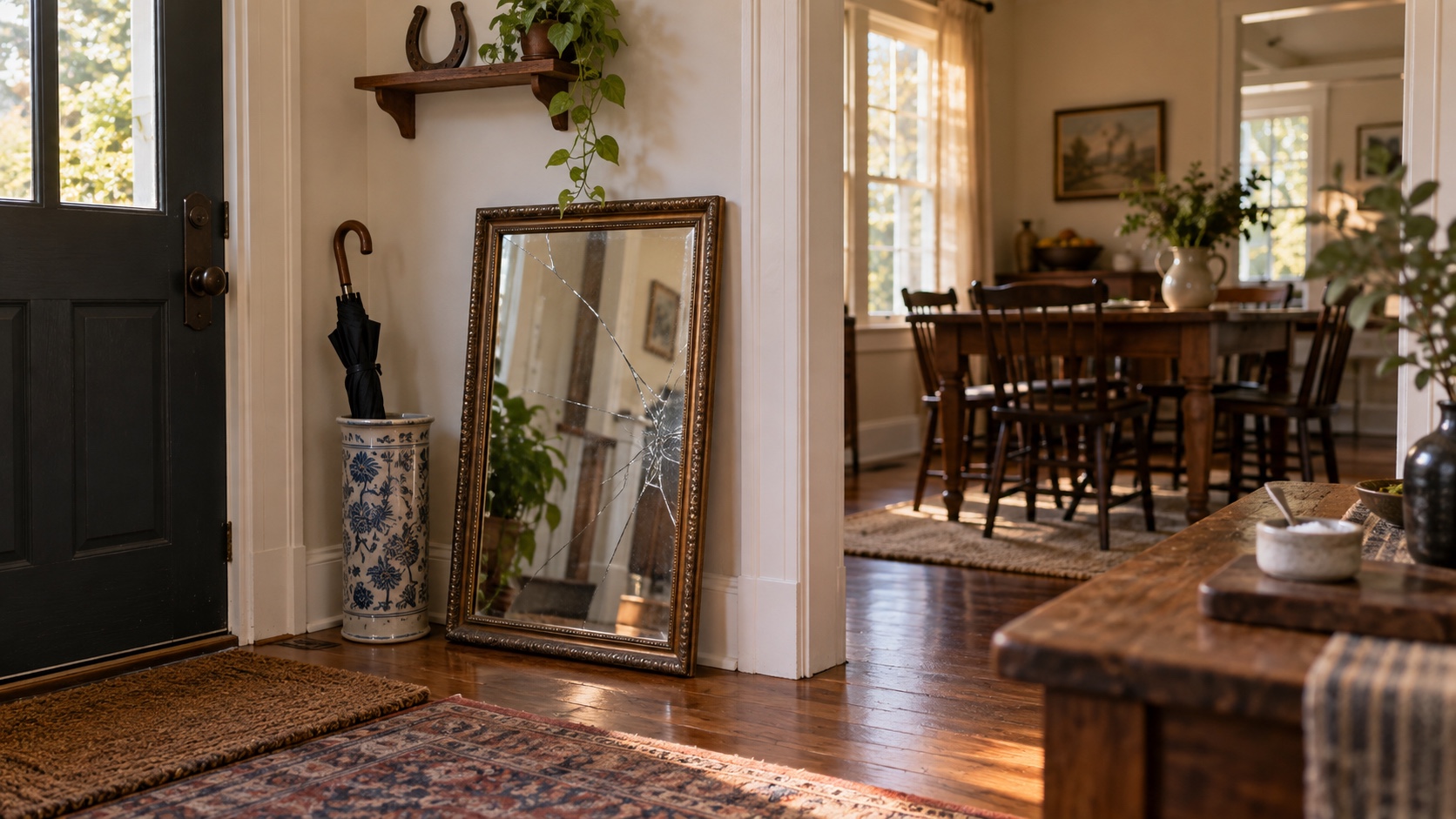
The unlucky things you should never keep at home are usually not dangerous because of luck. A broken mirror can cut you, a ladder can drop tools, outdoor shoes can dirty a table, and an open umbrella can knock something over. The omen attached to each object is folklore—not a forecast.
This countdown ranks ten household superstitions by a mix of cultural recognition, documentary support, and practical relevance. It does not measure supernatural power. Folklore is not evidence that an object changes your future, and a custom recorded in one family or region is not a universal rule.
10. Broken mirrors
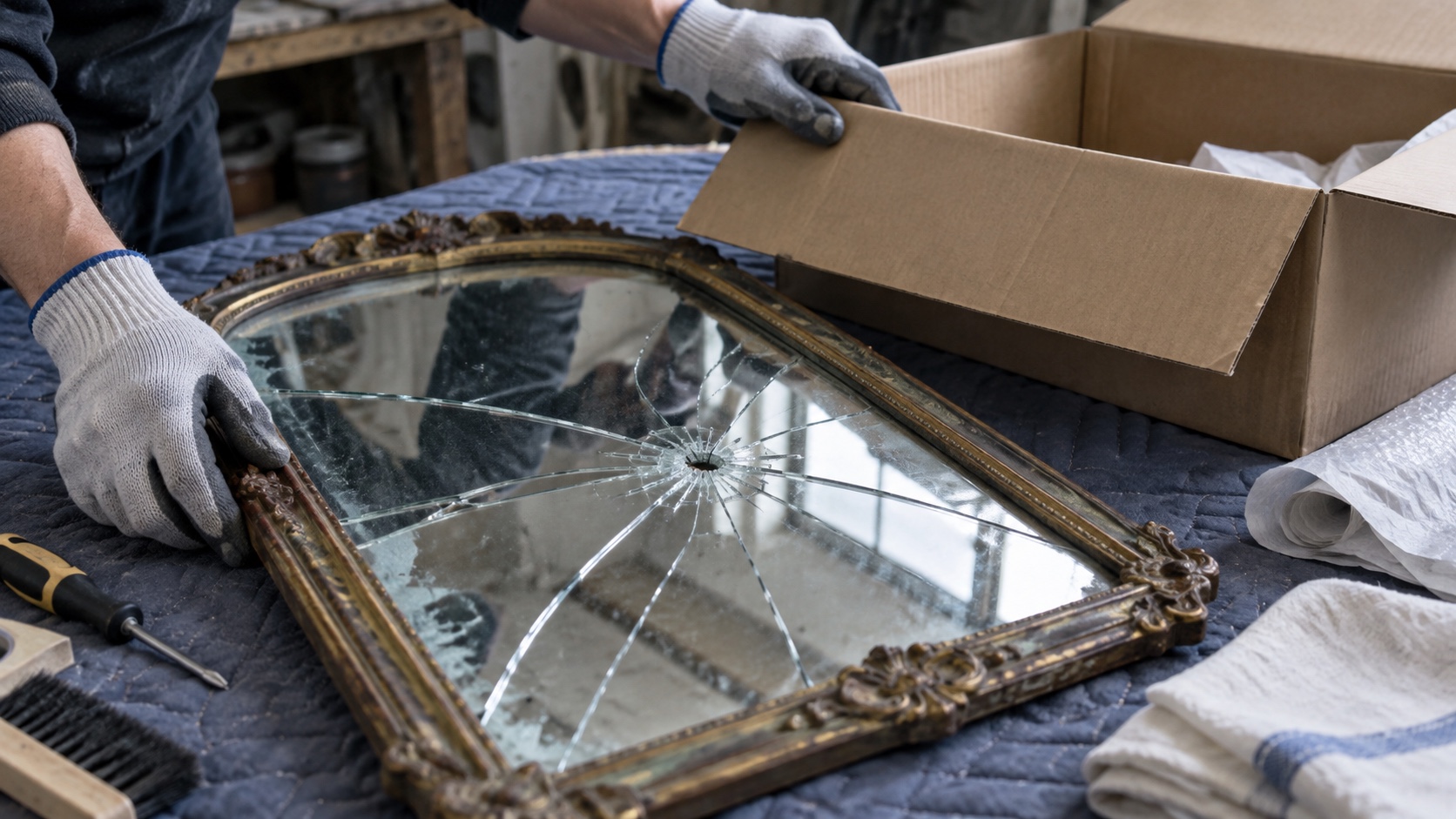
The familiar warning promises seven years of bad luck after a mirror breaks. That wording appears in twentieth-century records from Ireland's National Folklore Collection, including a Schools' Collection entry from County Cork. The archive shows that people repeated the belief; it does not prove the mirror caused later misfortune.
A cracked mirror is worth removing for an ordinary reason: damaged glass can loosen from its backing or frame. Keep people and pets away, use sturdy gloves, and follow local waste rules rather than copying a generic disposal trick. Mirrors also make a useful bridge to our guide to how visual perception works: a reflection may feel symbolically powerful, but it is still light interacting with a surface and a viewer.
9. Upside-down welcome mats
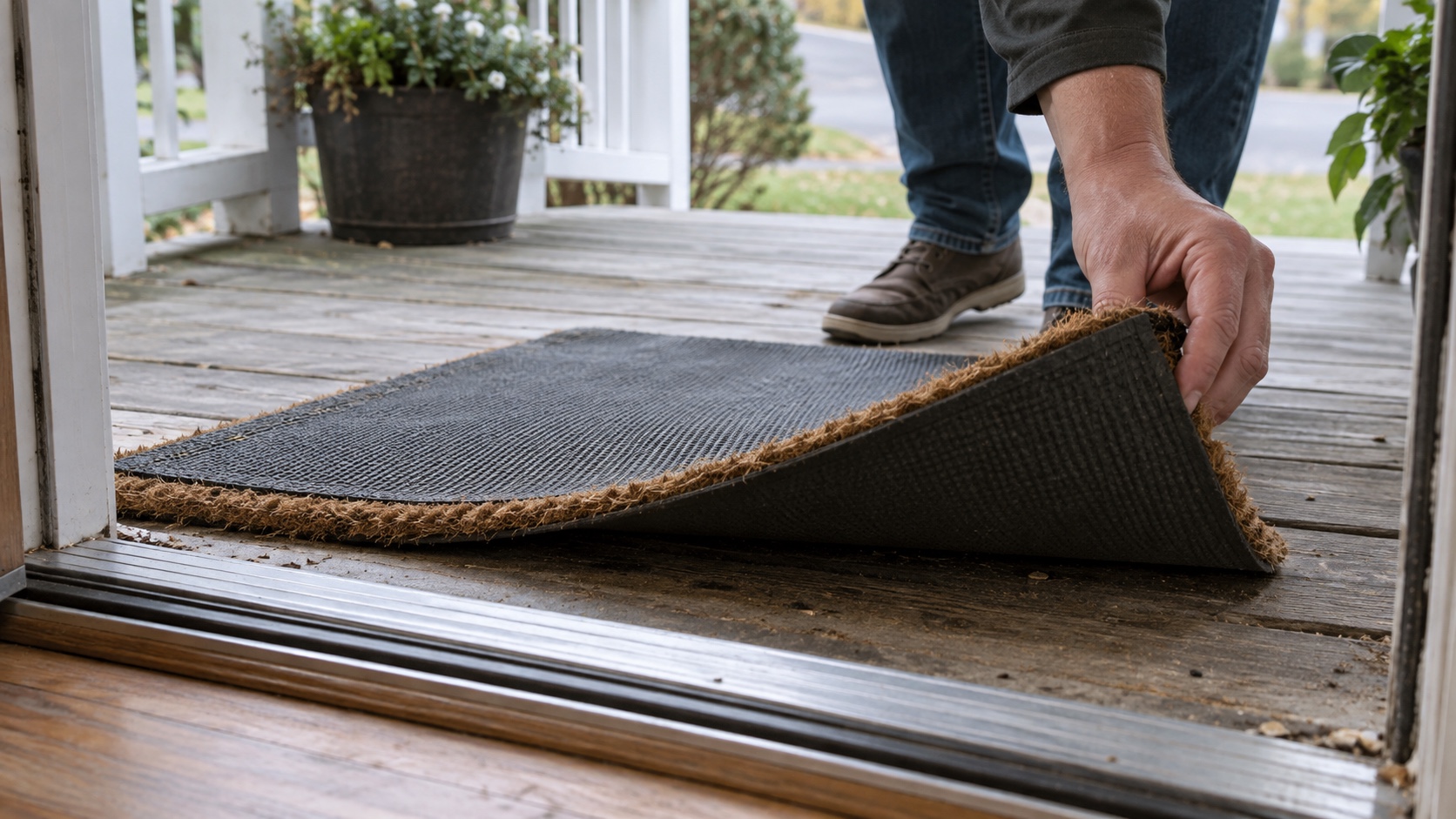
The claim that an upside-down welcome mat causes financial loss or illness is common on modern list pages, but we found no reliable archival source that establishes it as a broad, traditional belief. One historical folklore record even treats tripping over a mat as a wedding sign, which demonstrates how local and contradictory these rules can be.
There is still a good reason to turn a mat right-side up. The backing may offer less traction than the intended walking surface, while curled edges can become a trip point. Shake out grit, let a wet mat dry, and replace it when the backing cracks. That is useful entryway care; claims about invisible bad energy are not.
8. Ladders
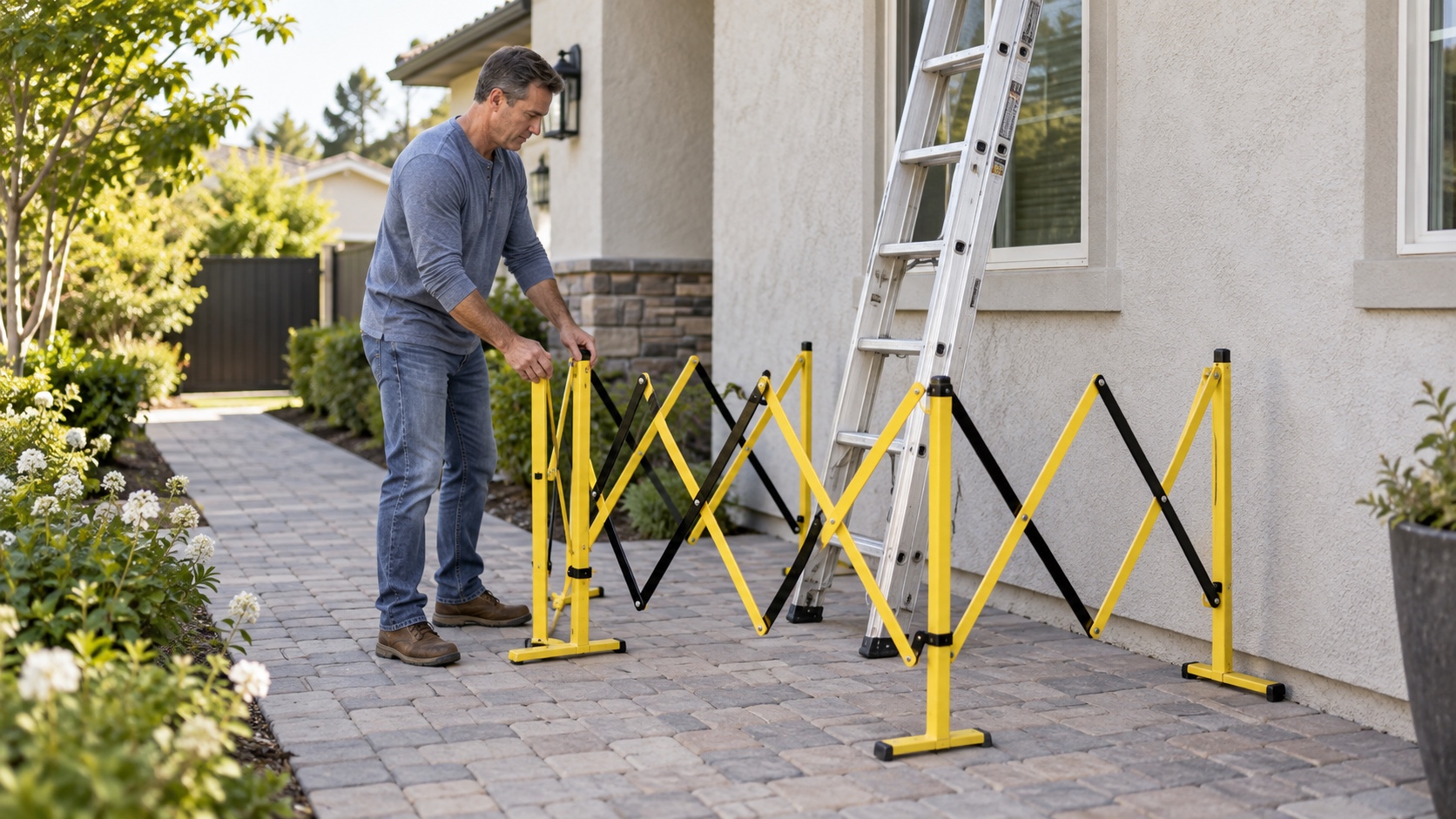
“Don't walk under a ladder” survives as a superstition, often explained with stories about triangles, religion, or execution devices. Those origin stories are difficult to establish, and the practical explanation is stronger: a person below can be struck by a tool, material, or the ladder itself.
OSHA guidance tells workers to avoid walking under or near ladders in use and recommends a barrier or lookout. A home project is not a workplace, but gravity does not care. Inspect the ladder, stabilize it, keep the space below clear, and store it closed when finished. For less precarious ways to improve an exterior, see these outdoor weekend projects.
7. Opals
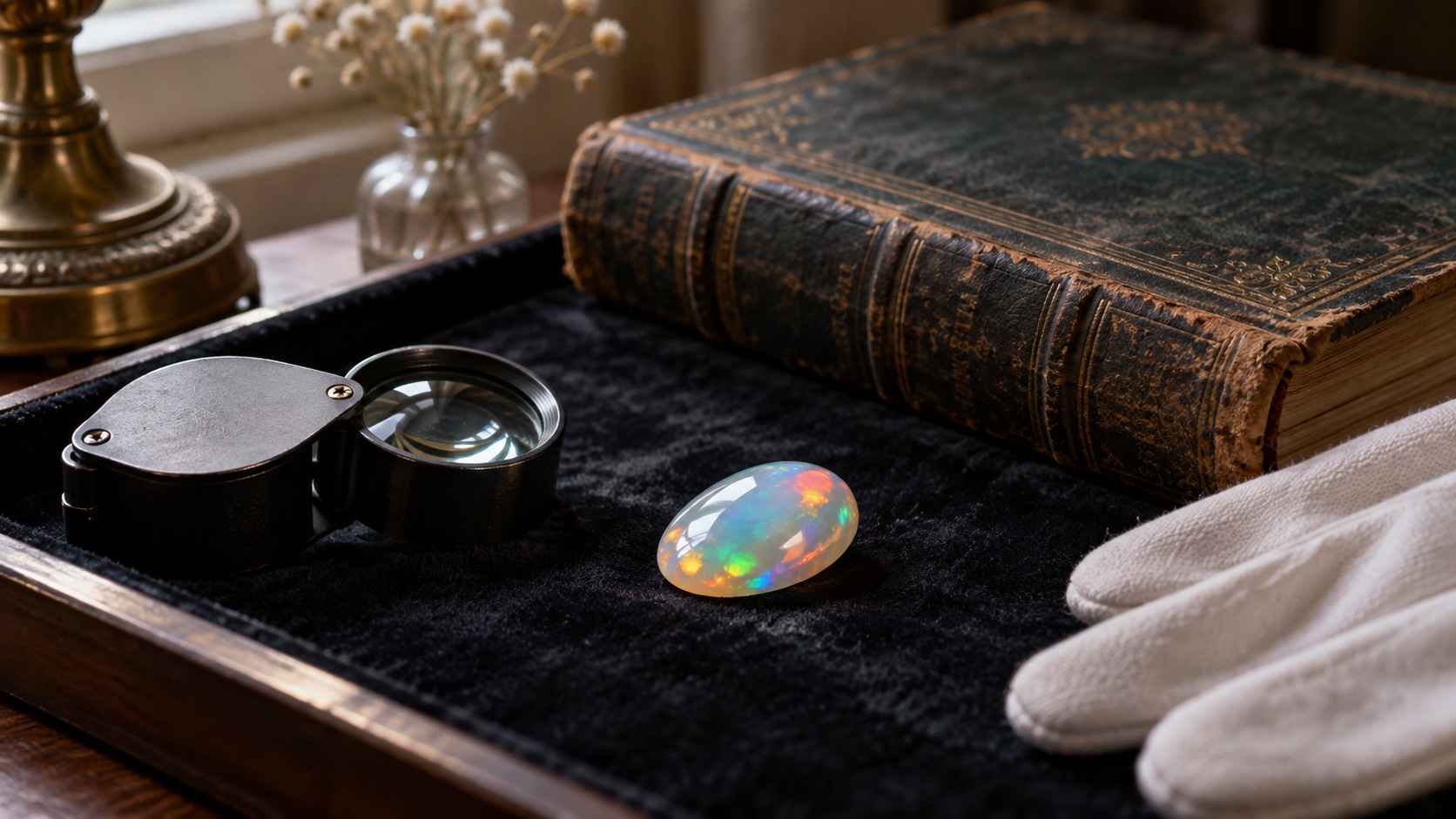
Opal is not inherently unlucky, and its reputation has never been consistent. The Gemological Institute of America's history of opal lore notes older associations with hope, love, prophecy, and protection. GIA also connects a major nineteenth-century surge in the “unlucky opal” story to Sir Walter Scott's novel Anne of Geierstein.
That makes opal a good example of fiction feeding folklore. You do not need to discard an heirloom or avoid an October birthstone. Treat the gem according to its actual material needs: opal contains water in its silica structure, so seek qualified care advice before exposing a valuable stone to harsh temperature changes, chemicals, or repair work.
6. Knives as gifts
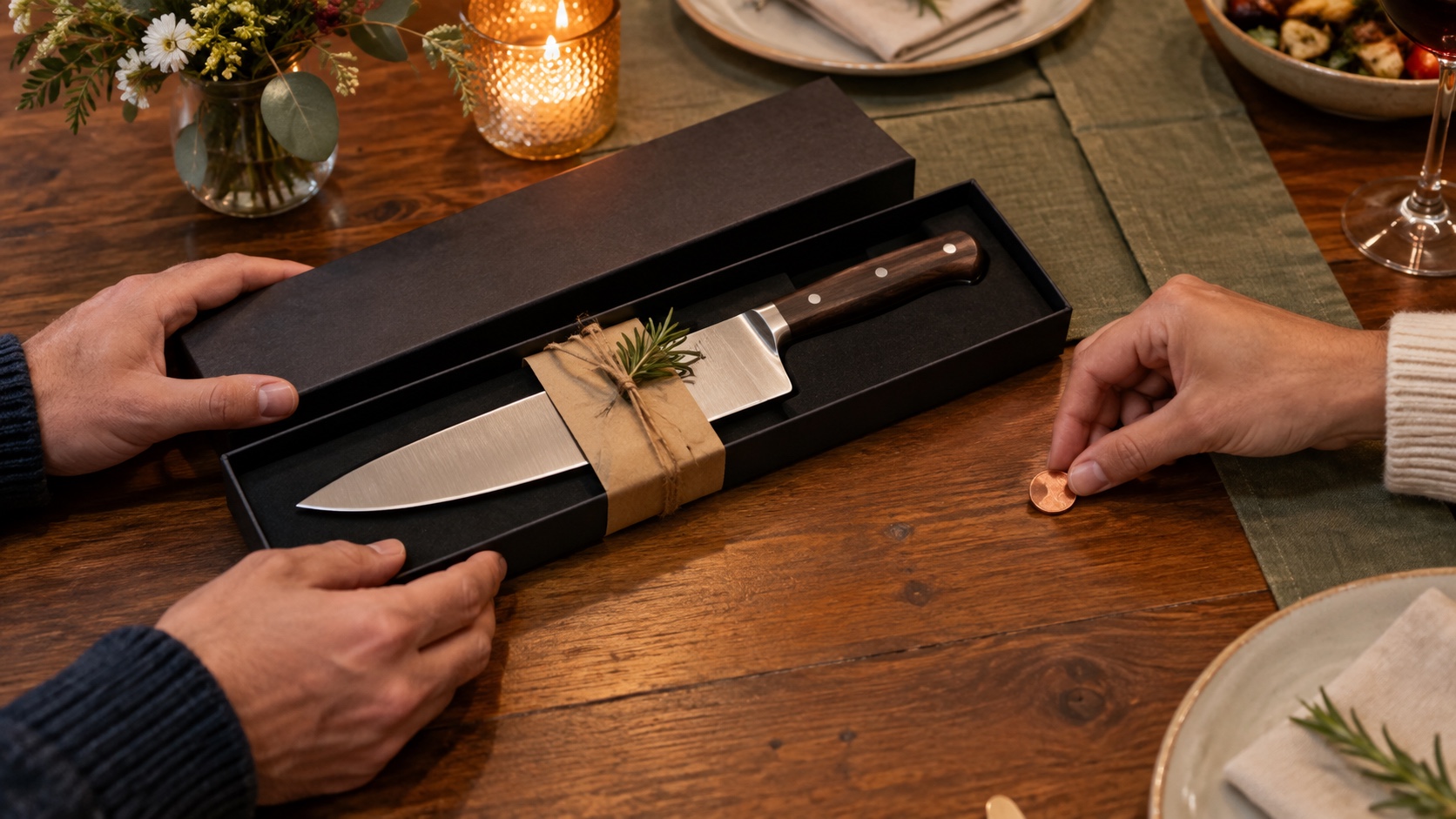
In one widespread gift custom, a blade symbolically “cuts” the relationship between giver and recipient. The remedy is charmingly bureaucratic: the recipient returns a small coin, converting the gift into a purchase. The USC Digital Folklore Archives records an American version in which a penny prevents the knives from cutting a friendship.
This is a tradition, not a reason to purge useful kitchen tools. It is also not a universal rule; some recipients value a fine knife as a respectful and practical gift. The non-negotiable part is safety: present a blade sheathed or secured in its box, make sure it suits the recipient, and store it where children cannot reach it.
5. Open umbrellas
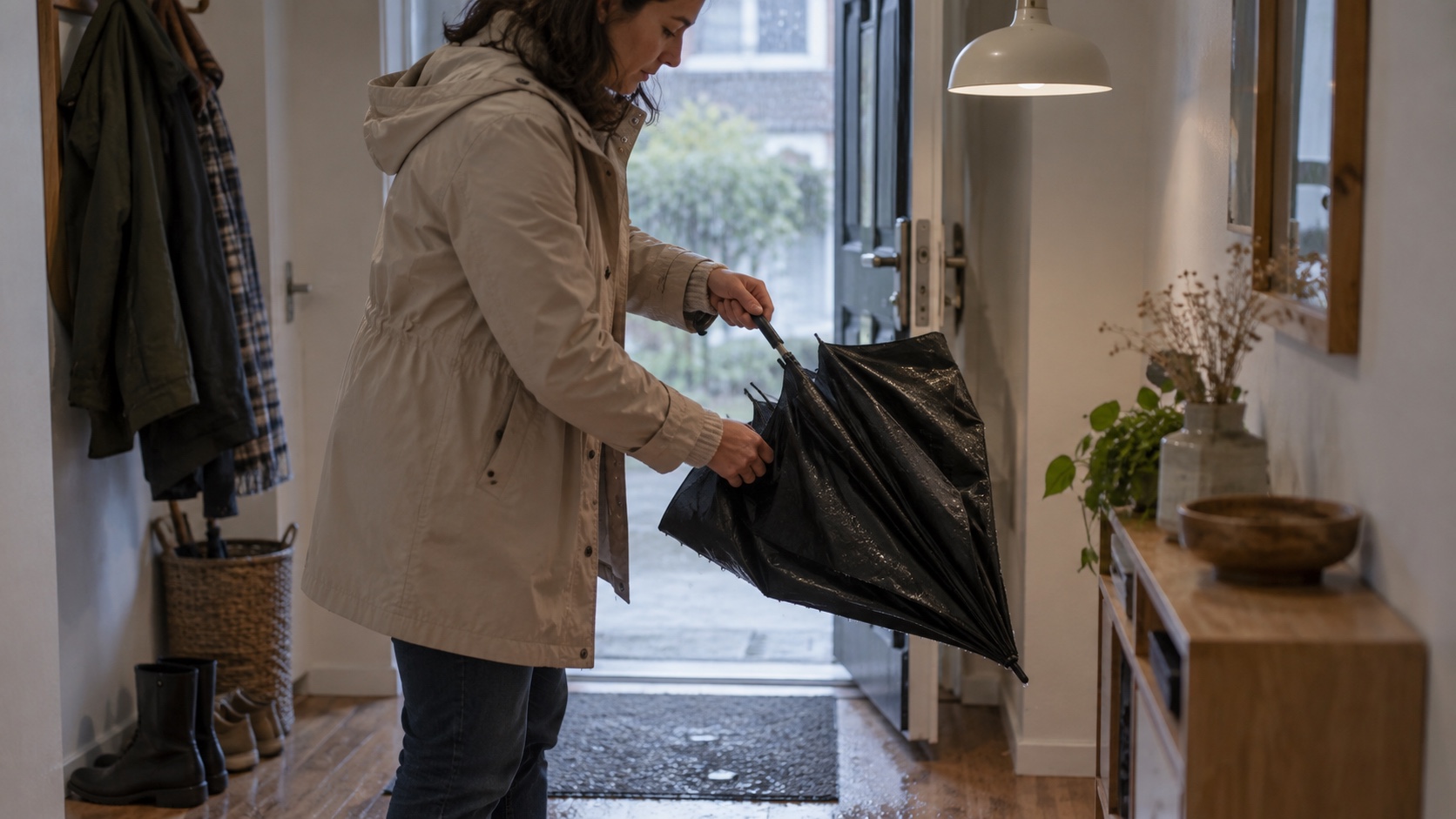
Opening an umbrella indoors appears in historical folklore collections, but the predicted consequence varies. A National Folklore Collection record calls it a sign of bad luck, while other tellings attach different outcomes. Claims that the custom descends directly from ancient Egyptian sunshades are much harder to document.
An open umbrella can still be a nuisance in a tight room. Its ribs can catch a lamp, poke a passerby, or drip onto a slick floor. Close it where there is room, then leave it open to dry in a suitable area. The practical advice stands without a curse, and a compact entryway is better served by deliberate storage than fear.
4. The number 13
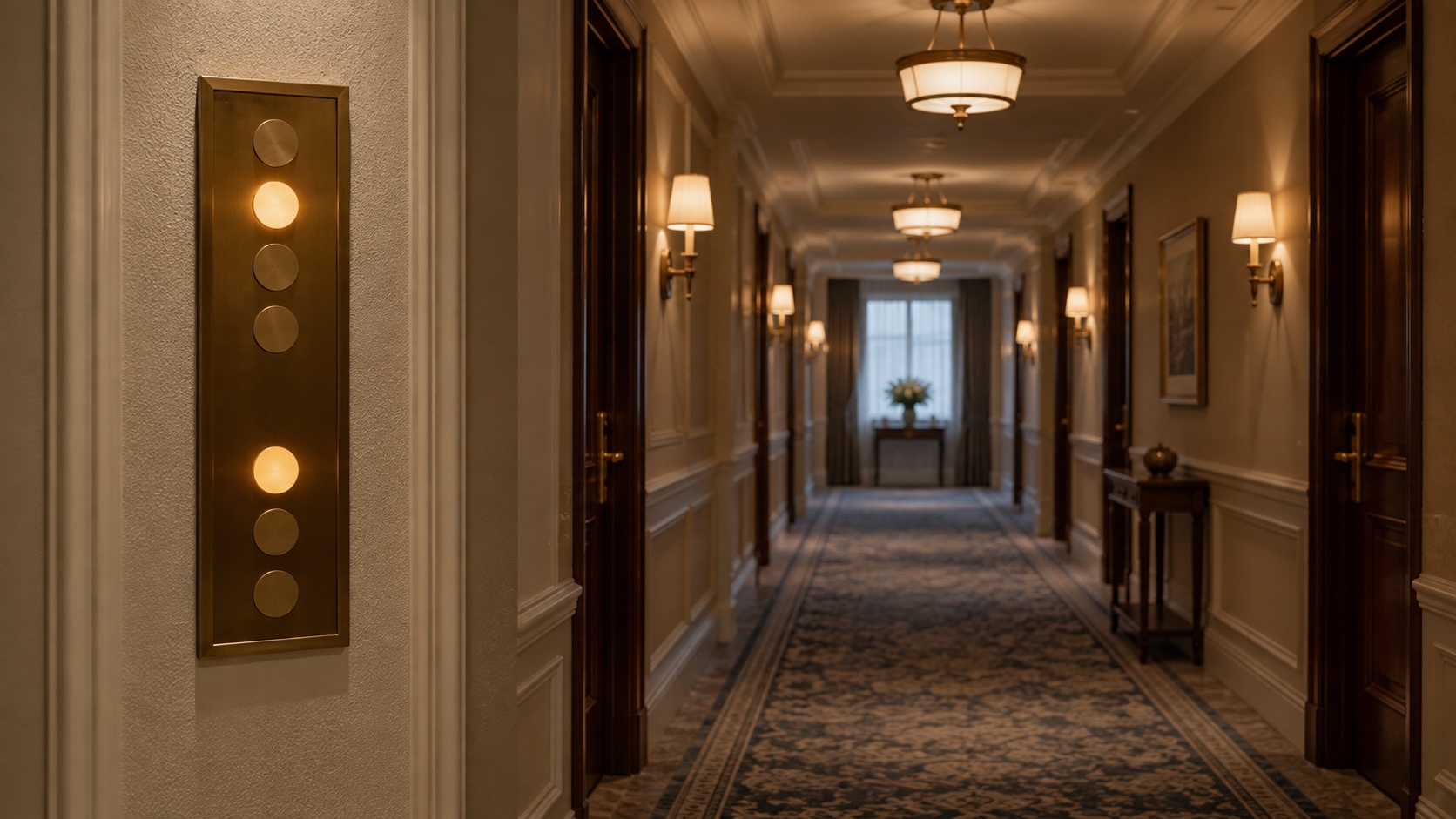
You can keep an address, jersey, clock, or set of 13 objects without inviting disaster. The Library of Congress explains that the roots of unlucky 13 are uncertain and that popular origin stories are often later “metafolklore.” Its folklife review also notes that the Bible never identifies Judas as the thirteenth person to arrive or sit at the Last Supper.
Thirteen is not universally unlucky. Other cultures attach avoidance to different numbers or days, and many people treat Friday the 13th as a joke. A skipped hotel-floor label changes signage, not the physical level of the building. Keep or remove numbered decor based on taste, not a promise of safety.
3. Shoes on the table
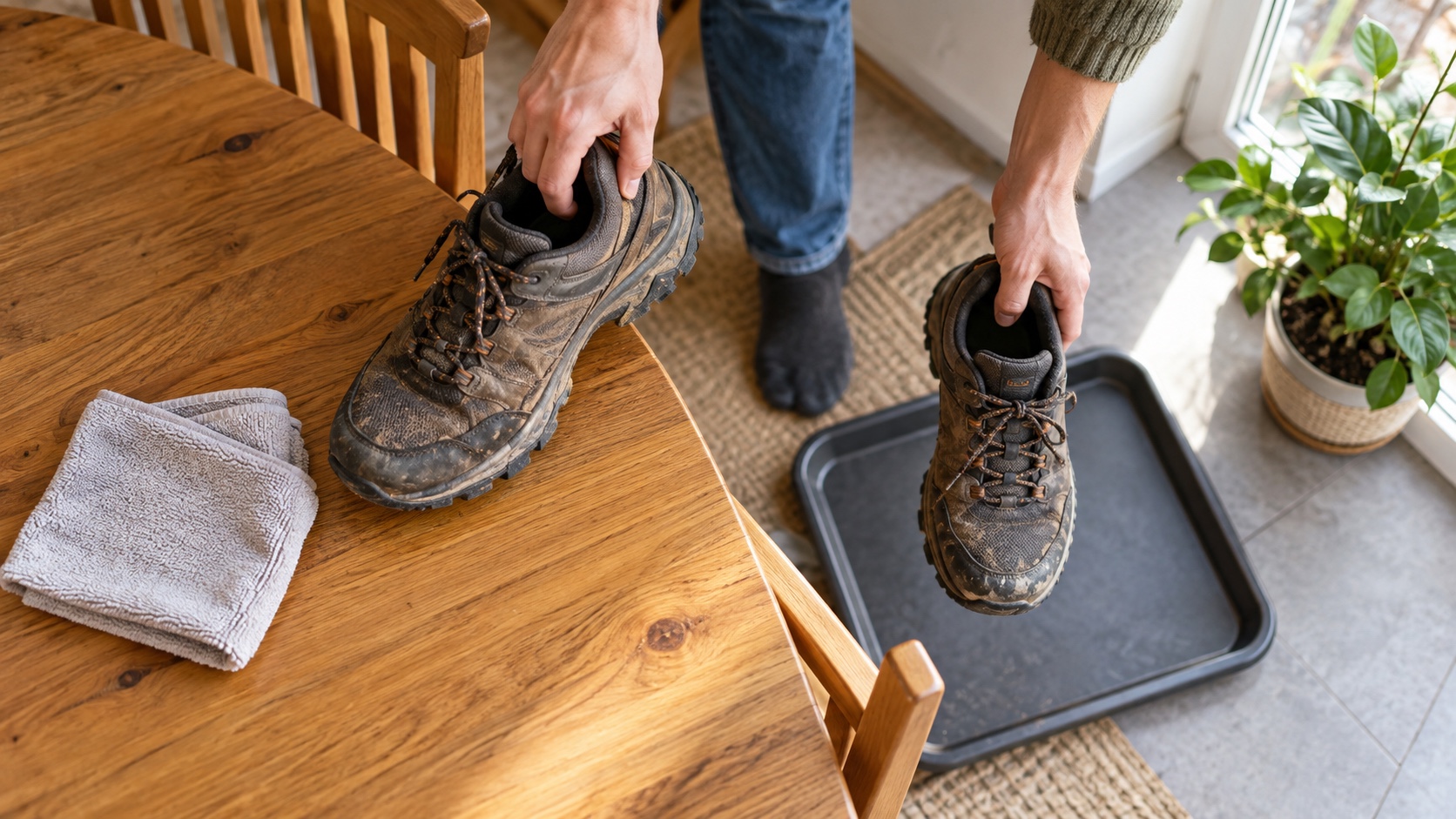
British and Irish versions often specify new shoes on a table, while modern retellings broaden the taboo to any footwear. The details and predicted outcomes vary, so a confident single origin would be misleading. The rule may persist partly because it aligns with an ordinary preference: objects worn outdoors do not belong on a food-preparation or dining surface.
If shoes touch the table, clean the surface using the method appropriate for its finish. There is no need for a ritual, and the event does not predict a death, quarrel, or financial loss. The useful distinction is simple: hygiene is testable; an omen is a cultural story.
2. Upside-down horseshoes
A horseshoe is usually a lucky object, which creates a disagreement about orientation. In some traditions the ends point upward to “hold” luck; in others they point down so luck pours over people entering the home. Historical collections preserve both regional rules, making any universal instruction suspect.
Display one in whichever direction matches your family custom or design preference. The practical issue is mounting: an old iron shoe can be heavy, dirty, rusty, or sharp around the nail holes. Clean it appropriately and fasten it securely instead of balancing it above a doorway. An upside-down horseshoe does not release measurable bad luck.
1. Spilled salt
Spilled salt earns the top spot because the belief is widely recognized and well represented in archived folklore. One Schools' Collection page links spilled salt with a quarrel; another recorded remedy is to throw a pinch over a shoulder. The archive documents what informants said, not what salt physically caused.
Salt once had economic and preservative importance, which may help explain why wasting it attracted stories, but neat one-line origin claims should be treated cautiously. Sweep or wipe it up, especially from floors where grains can be tracked or surfaces that salt may damage. Do not throw it toward another person's eyes. The best way to prevent an argument is consideration, not seasoning over your shoulder.
What should you actually remove from your home?
Remove or repair objects that are damaged, unstable, unsanitary, or poorly stored. Keep harmless items that matter to you, and respect a guest's family custom when doing so costs nothing. Superstitions are valuable evidence about stories, habits, and social memory; they are not evidence that a mirror, gemstone, number, or horseshoe controls luck.
Sources and review date
Reviewed September 22, 2026. Folklore claims were checked against the National Folklore Collection of Ireland, the Library of Congress Folklife Today project, and the USC Digital Folklore Archives. Opal history was checked against GIA, and ladder advice against OSHA. These sources document beliefs and practical guidance; none demonstrates supernatural causation.