10 Interesting Facts About Optical Illusions—Fact-Checked

Optical illusions are useful because they expose the shortcuts and assumptions behind ordinary vision. Some begin with optics or the eye, but many emerge as the brain combines edges, color, depth, motion, memory, and context into one usable scene.
This countdown moves from foundational mechanisms to broader applications and, finally, the most interpretive claim. It is an editorial sequence, not a scientific ranking of importance.
10. Most visual illusions are constructed by the brain
Your eyes collect light, but seeing is not a camera-like copy of that light. Neural systems compare borders, group shapes, estimate depth, track motion, and combine the result with attention and prior experience. A visual illusion appears when those normally useful operations produce a percept that conflicts with a measurement or supports more than one interpretation.
That is why vision researchers often prefer the broader term visual illusion to optical illusion. Optics matters in some examples, but many famous effects persist because of processing in the visual system. Illusions are therefore useful experiments: a carefully controlled image lets researchers change one cue at a time and observe what the brain treats as important.
9. Some visual effects begin inside the eye

Floaters are not optical illusions. They have a physical source inside the eye: according to the National Eye Institute, small strands in the vitreous—the gel filling the eye—can clump and cast shadows on the retina. Those shadows move as the eye moves, which is why a spot or thread may seem to drift away when you try to look directly at it.
This distinction matters because a genuine entoptic effect can also be a health warning. A sudden shower of new floaters, flashes of light, or a curtain-like shadow can signal a retinal tear or detachment and needs urgent evaluation. That is different from a stable checkerboard or line illusion that many viewers can examine safely under the same conditions.
8. One image can support competing percepts
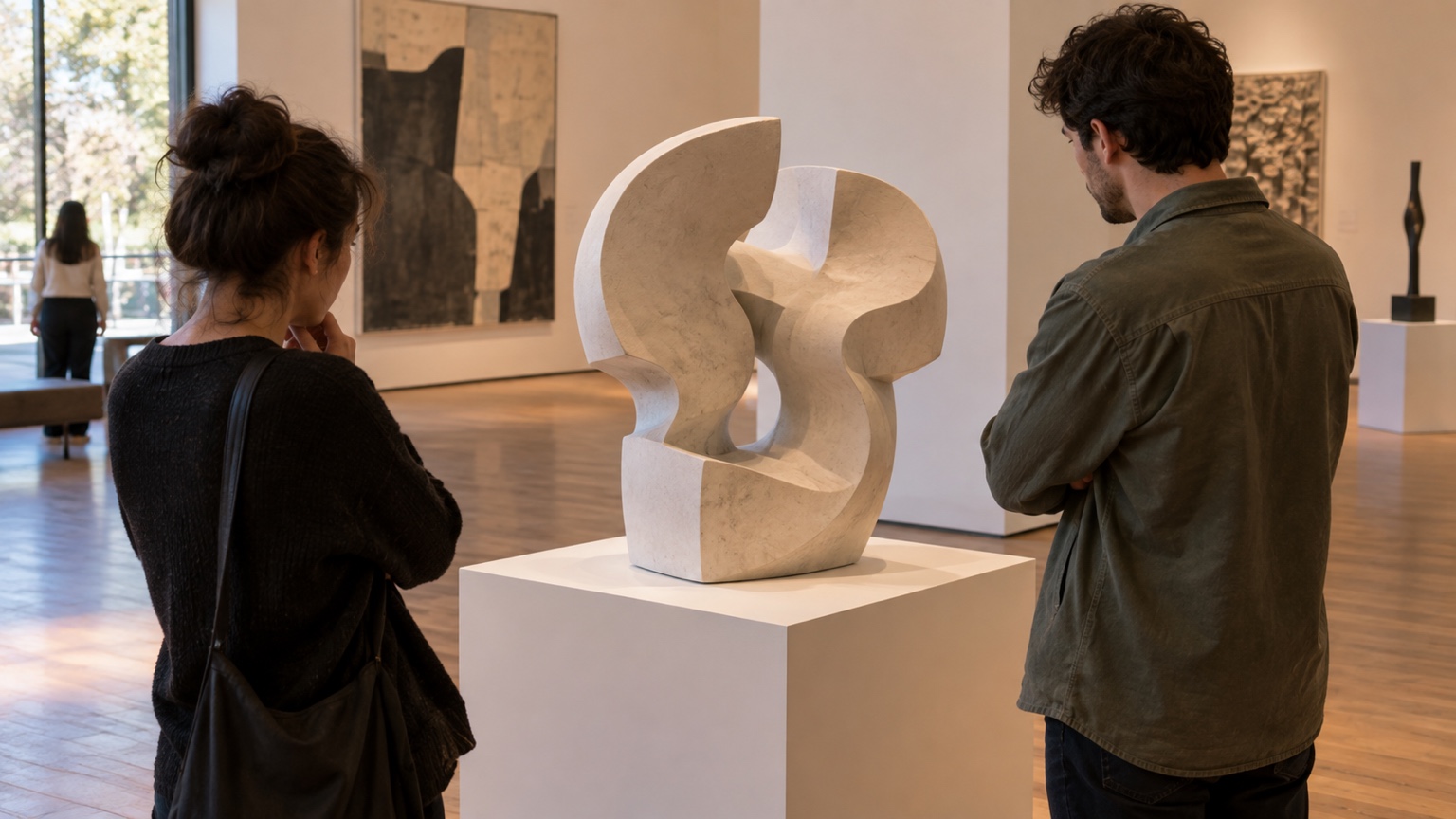
Ambiguous figures do not need to change for perception to flip. In the duck-rabbit, Necker cube, and other multistable images, the stimulus stays constant while awareness alternates between plausible readings. Research on multistable perception uses that property to study how the brain selects one interpretation when the sensory evidence permits several.
That is the real sense in which illusions “mock” certainty: they reveal that confidence and physical input are not identical. The historical root of the word is associated with play or deception, but the scientific example is not a lie hidden in the picture. Two viewers—or one viewer at two moments—may organize the same lines differently because perception is an active selection process.
7. Color and lightness depend on context
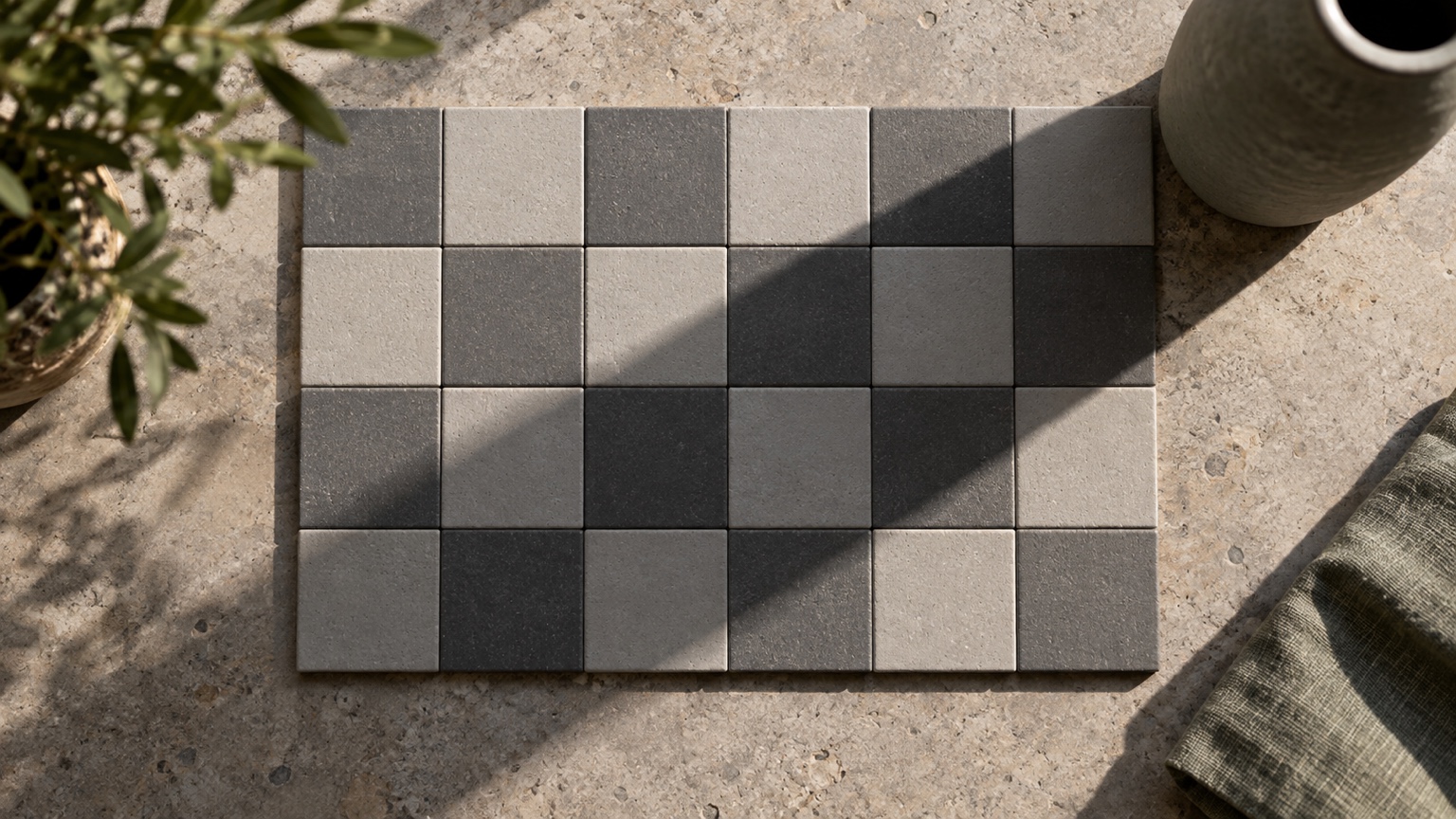
Color is not simply painted onto objects by wavelength. The National Eye Institute explains that three types of cone photoreceptor provide light signals that the brain mixes and categorizes into perceived color. The result is stable enough for daily life, yet sensitive to surrounding colors, illumination, and expectations about shadows.
Edward Adelson's checker-shadow illusion makes the point cleanly. Two checks with the same measured gray value look different because one appears to sit in shadow and each is judged against different neighbors. The system is trying to estimate the surface, not behave like a pixel meter. The “error” exposes a useful form of lightness constancy.
6. Refraction can make a straight object look bent

A pencil partly submerged in water can look broken because light changes direction when it crosses the boundary between water and air. Your visual system traces the arriving rays back along the path it expects in one medium, so the underwater section appears displaced. Here the mismatch begins with physical optics before the brain interprets the altered rays.
A rainbow is a richer example than “refraction makes colors.” NOAA's explanation describes sunlight bending as it enters a droplet, reflecting inside it, and bending again as it exits. Different wavelengths change direction by different amounts, separating the visible colors. Refraction is necessary, but it is not the whole process.
5. Prolonged sleep loss can distort perception

Severe sleep deprivation can produce more than ordinary blur or poor concentration. A systematic review of historical studies found a progression from visual distortions after one night awake toward illusions and simple hallucinations after longer periods, with complex symptoms reported as wakefulness continued.
The evidence needs two cautions. First, an illusion misinterprets a real stimulus, while a hallucination occurs without a matching external stimulus. Second, many extreme-deprivation experiments in the review are old, small, and not ethical to repeat today. The finding is a reason to take sleep loss seriously, not an invitation to test how long you can stay awake. Disturbing perceptual changes warrant rest and medical guidance appropriate to the situation.
4. Geometry lets researchers measure an illusion
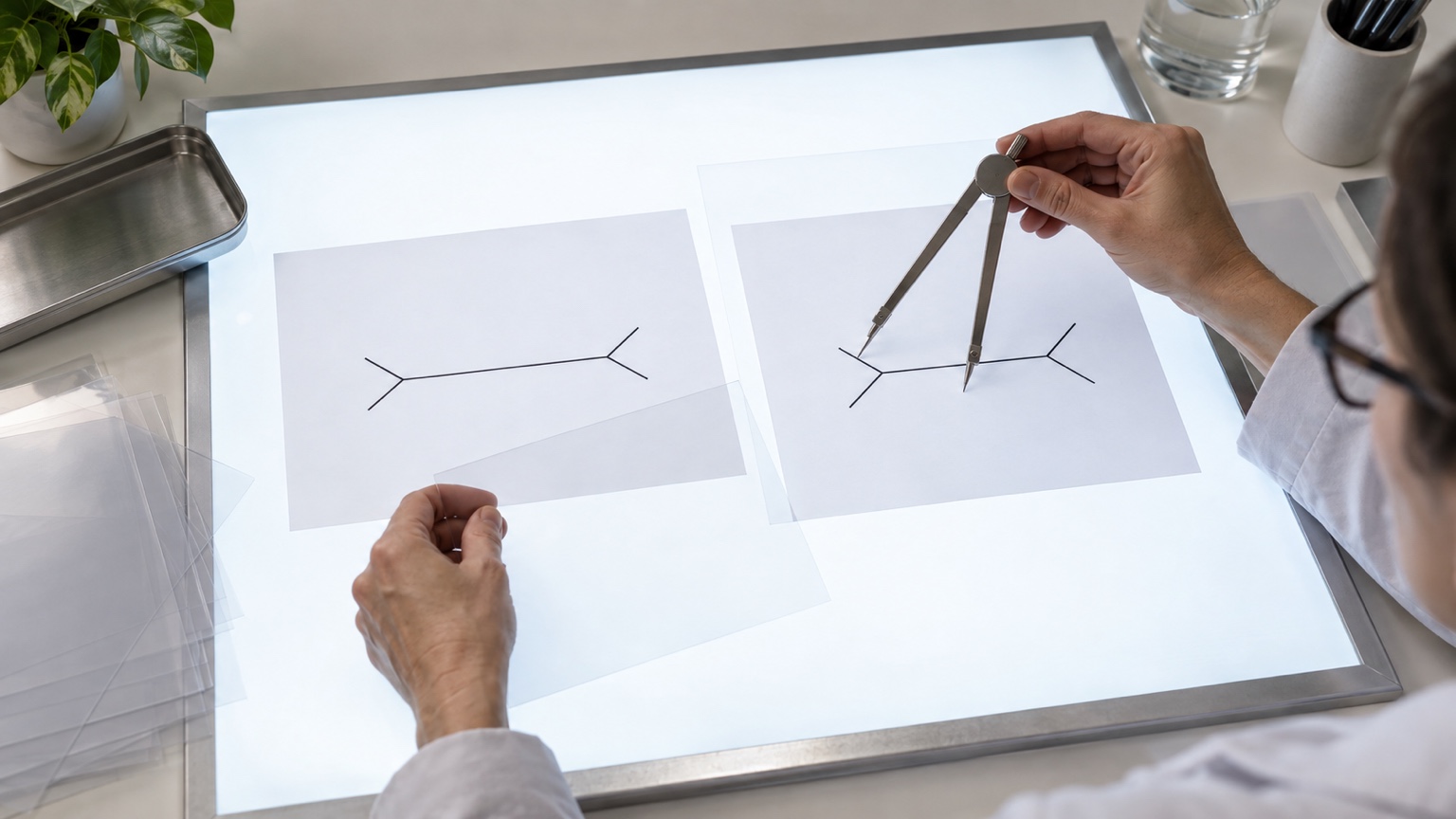
Classic line illusions use geometry because lengths, angles, spacing, and orientation can be controlled precisely. Researchers can ask a subject to adjust one line until it looks equal to another, then compare the perceived match with the physical measurement. That produces an illusion magnitude rather than a vague statement that one segment “looks weird.”
A review of geometrical illusions discusses metric effects, orientation, contrast, and competing constraints in shape representation. Mathematics helps describe the stimulus and quantify the response, but it does not mean one formula explains every illusion. Different patterns can recruit different combinations of perspective, grouping, context, and visual adaptation.
3. People described motion aftereffects centuries ago

Stare at downward-flowing water, then look at stationary rocks beside it, and the rocks may appear to drift upward without changing position. This motion aftereffect is commonly called the waterfall illusion. It shows adaptation: prolonged exposure to motion in one direction changes the balance of motion signals when the scene becomes still.
A historical review of motion-aftereffect research reports that Aristotle and Lucretius described related apparent motion, while Robert Addams's 1834 account later became important to experimental study. That history is solid enough without assigning a definitive age record to one temple carving or anecdote, which would depend on interpretation and surviving evidence.
2. Perceptual tricks can influence road design
Some traffic-calming treatments use repeated transverse bars or converging patterns whose spacing changes as a driver approaches a hazard. The design can create the impression that speed is increasing, encouraging a driver to slow down before a curve, intersection, or lower-speed zone. It applies the same lesson as a laboratory illusion: spacing and context affect perceived motion.
That does not make painted bars a guaranteed safety fix. A Federal Highway Administration review records varying speed effects across treatments and studies. Road geometry, visibility, maintenance, driver familiarity, and the rest of the traffic-calming design all matter. The accurate claim is that perceptual markings can be one engineering tool—not that an illusion automatically prevents crashes.
1. The brain predicts, but it does not literally see the future
Predictive processing proposes that the brain uses learned regularities to anticipate likely sensory input and updates those expectations when incoming signals disagree. A major neuroscience review describes this as a framework for understanding cortical computation and notes that expectations can sometimes interfere with perception, producing sensory illusions.
Calling that process “seeing the future” is catchy but misleading. It is not literal foresight, and it is not a settled explanation for every illusion. The prediction concerns the most likely immediate cause of incomplete sensory evidence: which object, surface, motion, or lighting condition probably produced the signal. Read the predictive-processing review as a scientific model with evidence and open questions, not as proof that the brain renders tomorrow.
What these facts change about the way you see
An illusion does not show that vision is generally broken. It shows what the system optimizes: stable objects instead of raw pixels, likely surfaces instead of isolated patches, and coherent motion instead of unrelated snapshots. Most of the time those shortcuts work so well that you never notice them. A controlled illusion makes the assumptions visible.
The same habit—separating appearance from measurement—also improves other lists. Our guide to the scariest-looking spiders separates dramatic form from medical risk, while the best-selling Christmas songs guide separates sales records from streaming and chart performance. The useful question is always the same: what exactly is being perceived, measured, or ranked?
Sources and review date
Reviewed September 21, 2026. Medical and color-vision claims were checked against the National Eye Institute's floater guidance and its color-perception research summary. Optical, historical, sleep, geometry, prediction, and road-design claims were checked against MIT's checker-shadow explanation, NOAA, the peer-reviewed sources linked in sections 5, 4, 3, and 1, and the FHWA review linked in section 2.