10 Startling Facts About the Modeling Industry—Fact-Checked

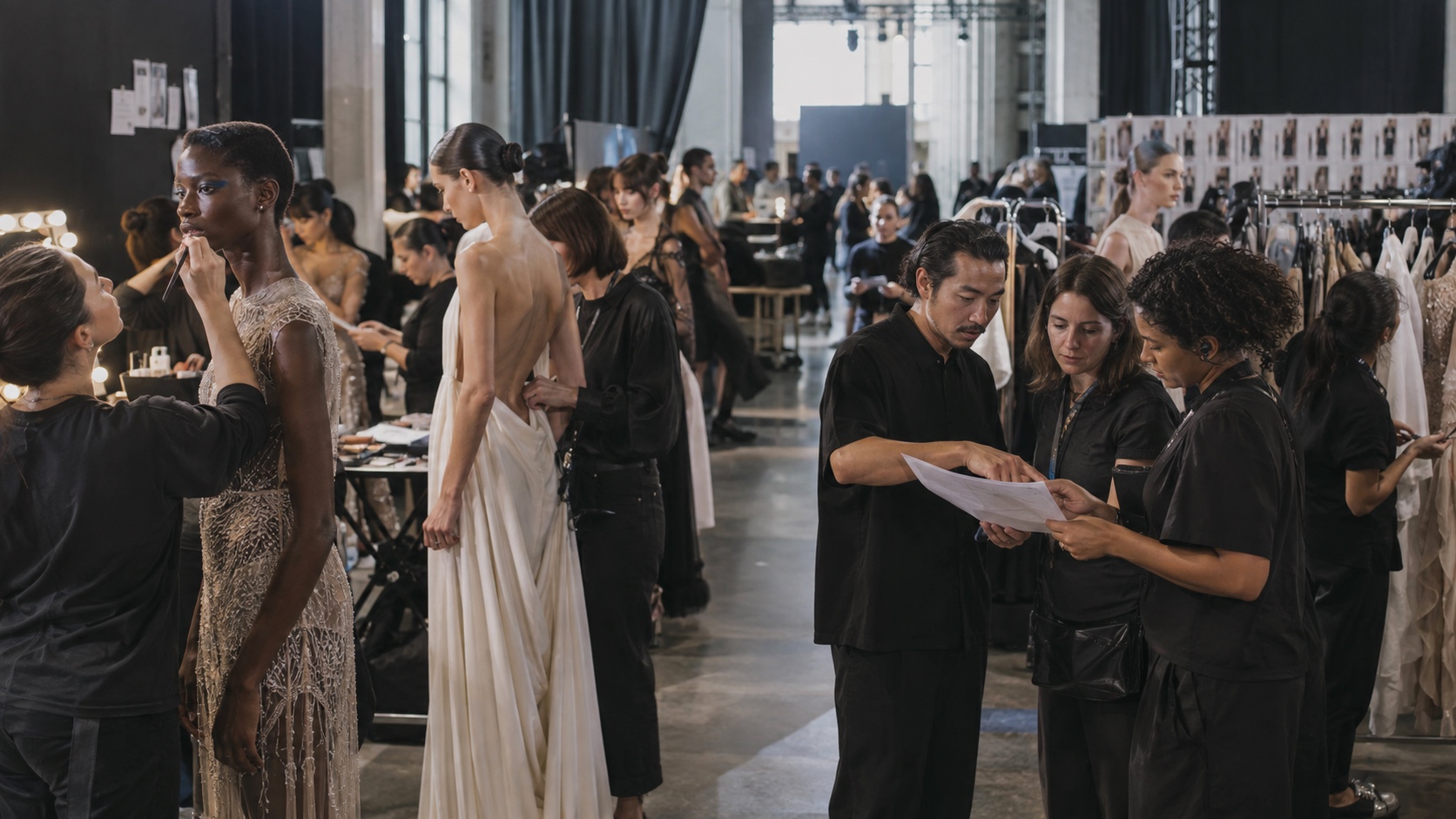
The modeling industry is not one job with one body type, one pay scale, or one route to success. Runway, commercial, fit, parts, showroom, and art models are hired for different purposes. This list separates the visible image from the labor behind it, using current occupational data, worker-protection rules, health research, and fashion history.
The ten facts are ranked by how strongly each one corrects a common assumption, with evidence quality and usefulness to an aspiring model or curious reader as tie-breakers. That makes the order editorial rather than scientific. Measurements, pay, and opportunities vary by market and assignment, so a single viral statistic cannot describe the whole modeling industry.
1. The dream is visible; the labor market is small

Fashion campaigns turn a handful of recognizable faces into symbols of travel, creativity, and high pay. The underlying U.S. occupation is much smaller. O*NET, using federal labor data, reported about 6,700 employed models in 2024, projected little or no growth through 2034, and listed 1,200 projected openings for 2024–34. Those figures do not measure every freelancer or prove that only a fixed percentage will succeed, but they explain why attention can be abundant while paid work remains scarce.
Why it matters: glamour is marketing; a career depends on bookings, contracts, reliability, and a marketable fit for a specific client. For an aspiring model, the practical warning is financial: the Federal Trade Commission says legitimate agencies earn money when the model earns money and should not demand upfront payment for representation, a test shoot, or a guaranteed job.
2. There is no universal set of model measurements
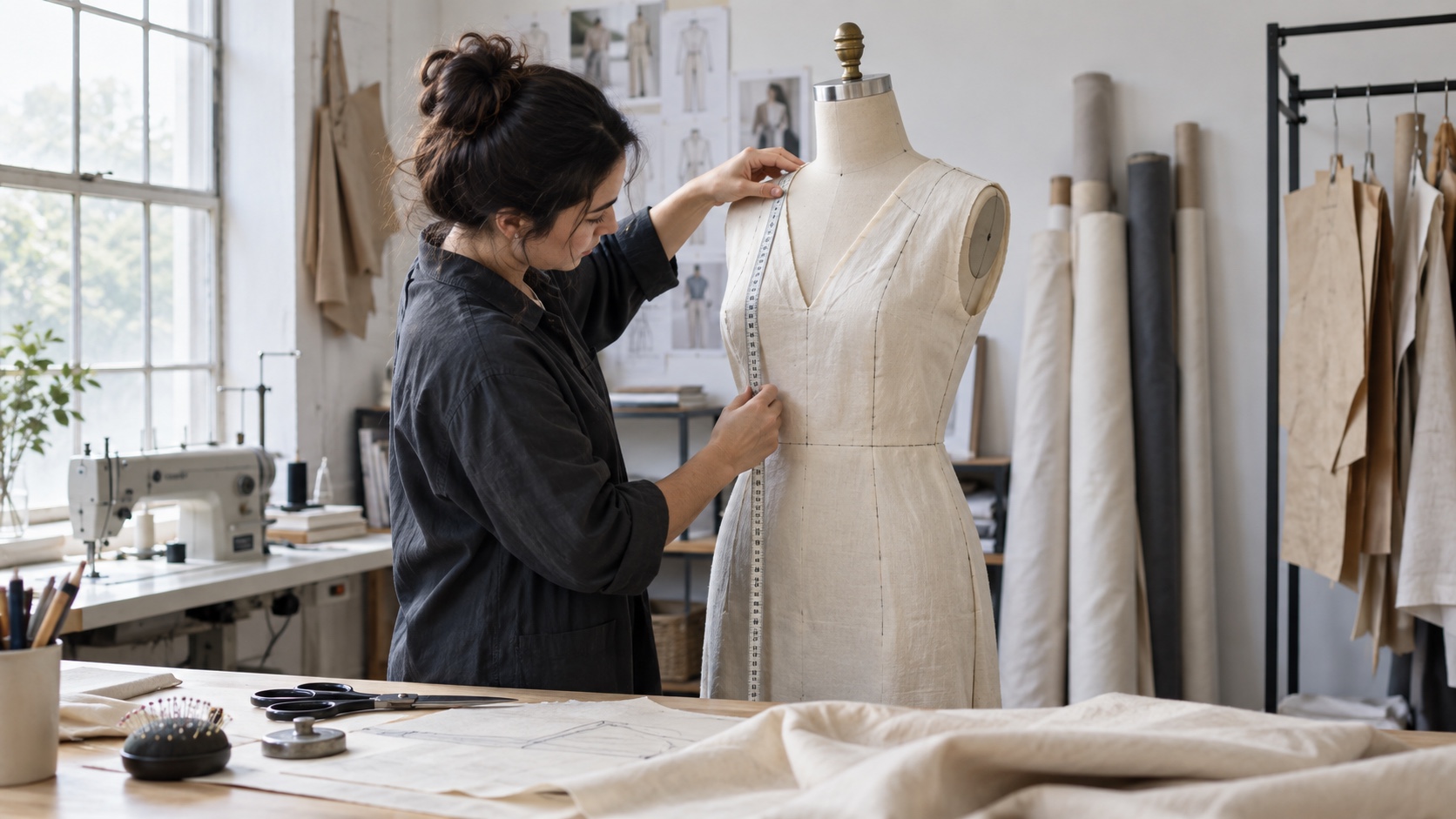
Runway and sample-size fashion work often uses narrow measurements because a collection is made in sample garments before mass production. Fit modeling has its own exact size specifications because the model acts as a live reference for how clothing hangs and moves. Commercial, beauty, fitness, parts, showroom, and art modeling can use different criteria entirely. O*NET defines the occupation broadly: models may present garments to buyers, pose for advertising photographs, or sit for artists.
Height and proportions can therefore be job requirements without being universal measures of attractiveness, health, or talent. Published agency ranges are screening preferences for a division and market, not medical standards or a promise of work. Readers interested in how styling changes visual balance can compare our guide to face shapes and earrings; that is a styling framework, not a rule about who can model.
3. Starting young brings legal protections, not a guaranteed career path

Some fashion models begin as teenagers, but “start young or miss your chance” is too broad. Commercial and specialty work can include adults across many ages. The usual early steps are snapshots or digitals, agency submissions, portfolio development, castings, and small bookings. O*NET lists maintaining a portfolio, gathering job details from agents, and traveling to go-sees among the occupation’s tasks.
For minors, the relevant question is not only opportunity but protection. The New York State Department of Labor requires child models who live or work in the state to have a permit, limits work hours, requires school and health documentation, and directs at least 15% of earnings into a trust. Rules differ by jurisdiction. A parent or guardian should verify the law, contract, supervision, education plan, and payment terms before any assignment.
4. A casting tests fit for one brief, not a person’s worth
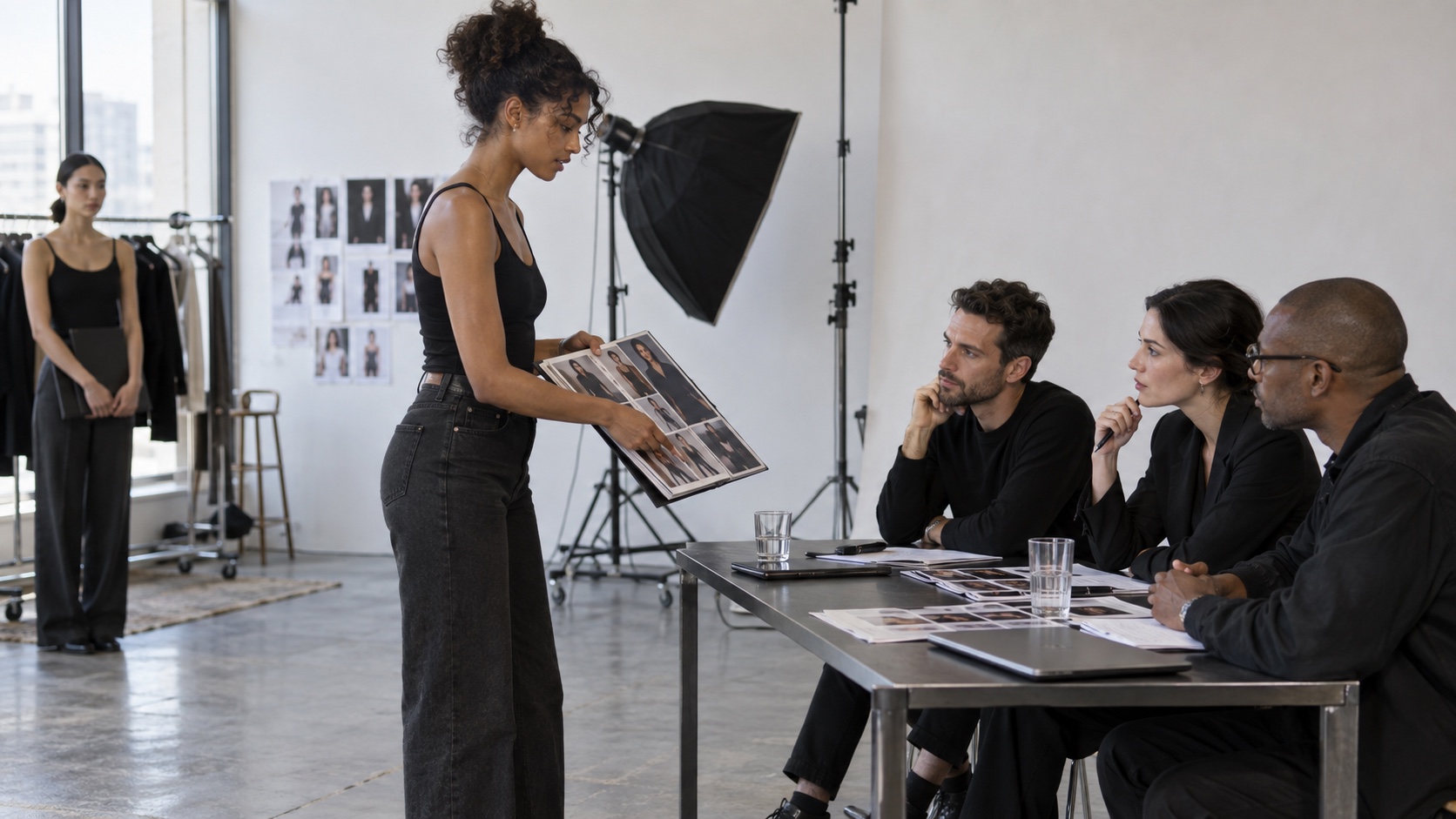
A casting, audition, or go-see lets a client compare candidates against a specific creative and production brief. The team may review a portfolio, take simple reference photos, check garment fit, observe movement, or ask about schedule and travel. Rejection often means the model did not match that assignment’s size, look, availability, or visual combination with other talent. It is not an objective verdict on appearance.
Castings are also where fraud can mimic opportunity. The FTC warns that unexpected offers, guaranteed work, compulsory in-house photographers, and requests for upfront payment are red flags. For working models, New York’s Fashion Workers Act added responsibilities for management companies and clients beginning in 2025, including registration and workplace protections. Read the contract and keep copies of job terms, deductions, and payment records.
5. Eating-disorder risk is serious, but “models usually have one” is unsupported

Appearance pressure and demands for thinness can harm models, but the evidence does not establish that most models have an eating disorder. A 2017 systematic review indexed by PubMed found only seven eligible studies from 1980 through 2015 and said the findings could not be generalized to all models. It reported lower average BMI and more partial-syndrome disorders in models, while the small evidence base did not show a clearly higher prevalence of diagnosed eating disorders than in non-model controls.
Later studies continue to find reasons for concern, but they also show why BMI alone is not a diagnosis. A 2020 study found that lower BMI did not reliably track worse eating-disorder symptoms among professional female models. Anyone experiencing restrictive eating, purging, compulsive exercise, dizziness, or distress about food and body image deserves confidential evaluation from a qualified clinician. Industry pressure is not a substitute for healthcare.
6. Travel ranges from local go-sees to international fashion weeks

Professional modeling can involve travel, but frequency depends on the market. A local commercial model may work mainly within one metro area. Editorial and runway models may travel to fashion weeks or spend short periods in cities such as New York, London, Milan, and Paris. O*NET specifically lists travel to go-sees, while each booking can add fittings, rehearsals, shoot days, and transit time.
The less glamorous details matter: who buys the ticket, who advances lodging, which expenses are recouped from future earnings, whether a visa permits the work, and what happens after a cancellation. Those terms should be written down before departure. Travel can expand a portfolio, but it can also create debt and long stretches away from a support network.
7. The clothes are usually work materials, not a bonus
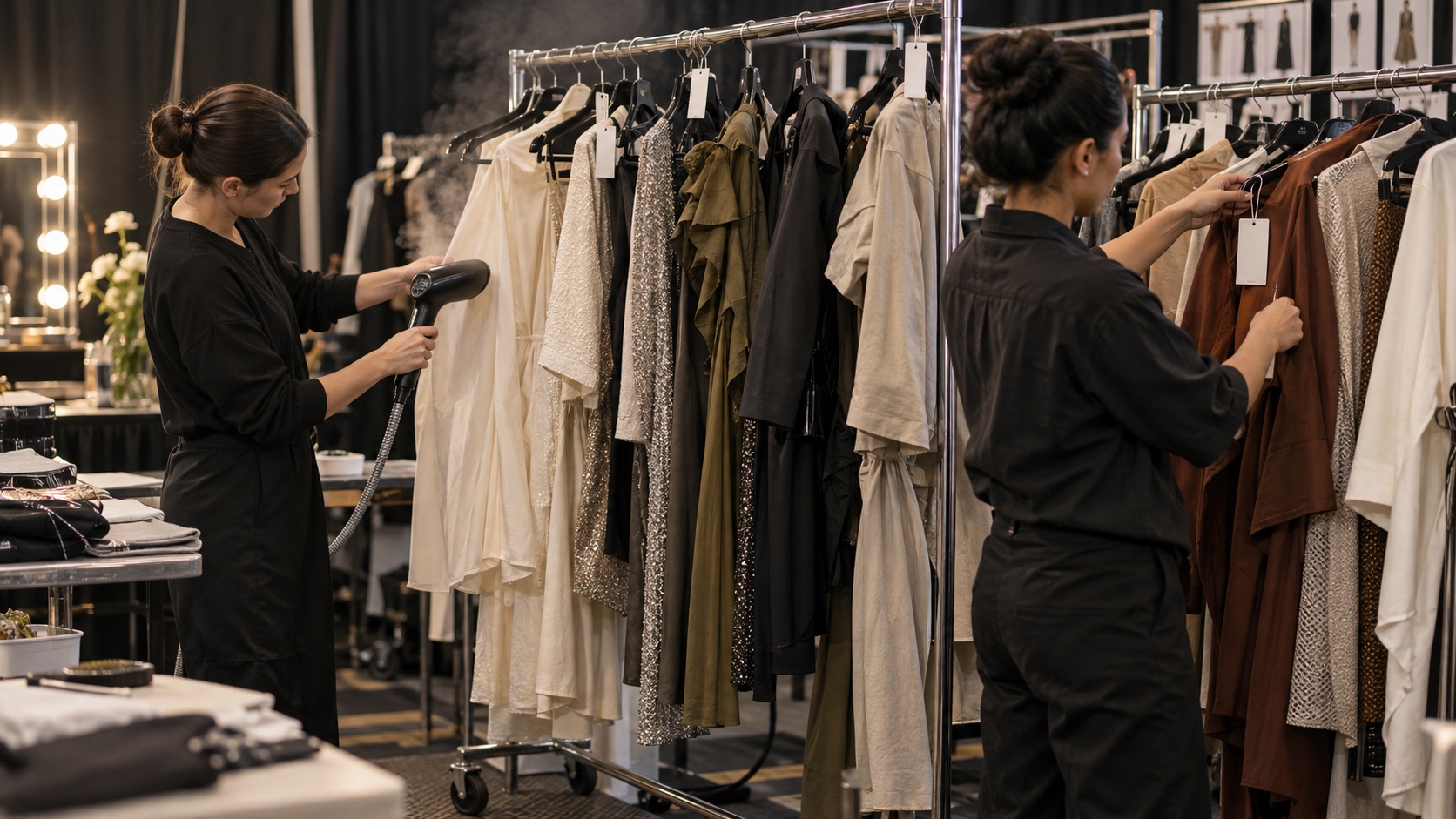
A model is hired to present clothing, not automatically to own it. O*NET describes models as presenting garments and accessories for prospective buyers at fashion shows, private showings, and retail establishments. Runway and editorial clothes are commonly samples managed by a designer, showroom, stylist, or publication, so they must be tracked and returned after the job.
A gifted item can be part of a specific agreement, but it should not be assumed or silently taken. The same production chain extends far beyond the runway: textiles, samples, logistics, retail, and disposal all shape a garment’s life. Our article on where your shirt came from follows that wider system.
8. Photo retouching predates Photoshop by more than a century
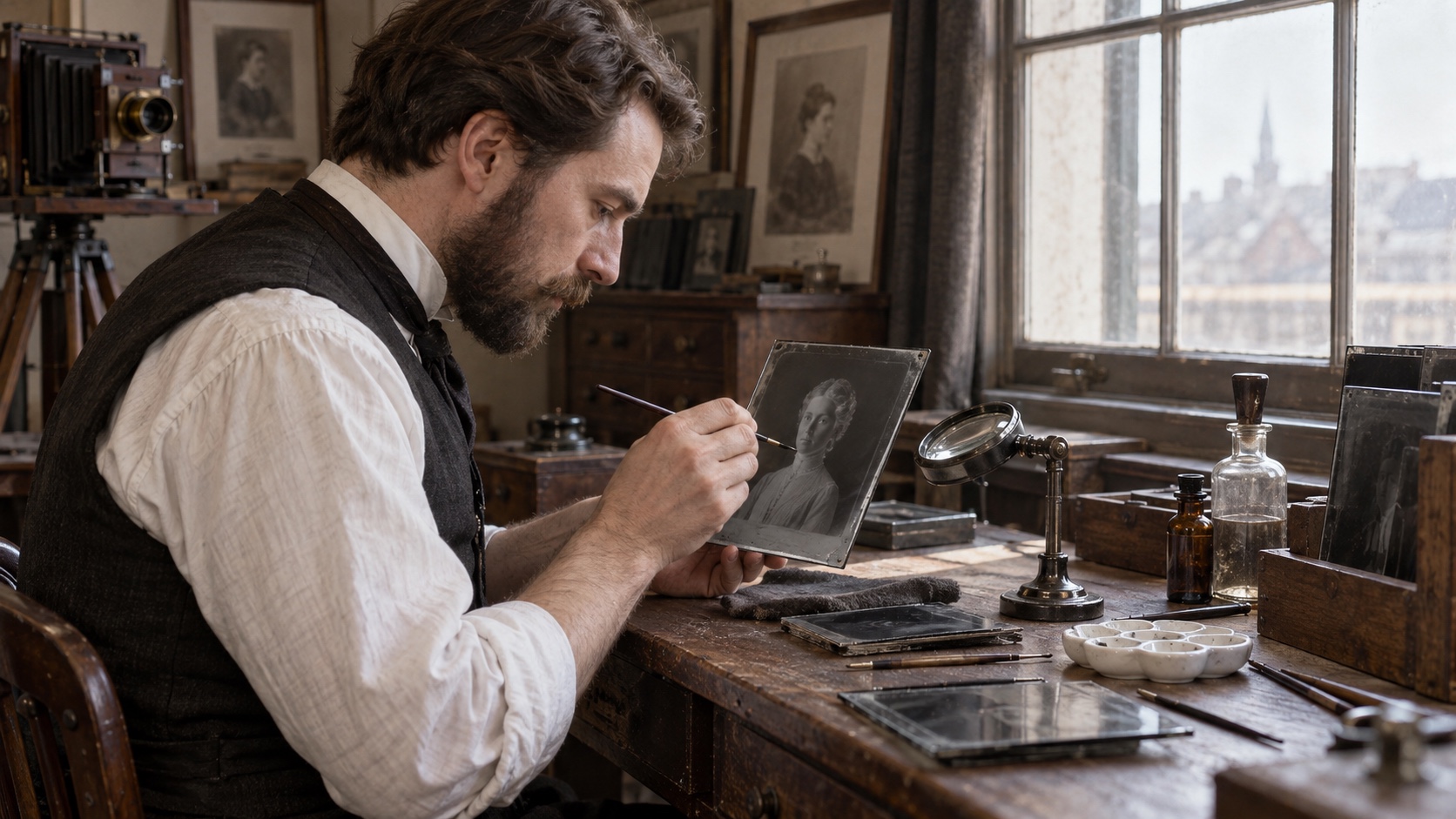
Digital software accelerated image editing; it did not invent it. The Smithsonian’s National Museum of Asian Art says retouching was widespread almost from photography’s inception. Nineteenth-century studio workers smoothed facial features, strengthened faint details, masked parts of negatives, and combined exposures. A polished fashion image has never been a neutral measurement of how a person looks in ordinary light.
Modern post-production can adjust color, fabric, background, skin, and body shape, which raises different ethical questions depending on the change and context. Israel’s modeling law also requires disclosure on certain advertisements when a person’s image has been graphically altered to appear thinner. The useful media-literacy rule is simple: a campaign image is a produced object involving lighting, hair, makeup, styling, camera choices, selection, and editing.
9. Thin-model laws are real, but “many countries banned thin models” is misleading
Governments and fashion organizations have used different tools rather than one global ban. France’s 2017 rules require a medical certificate for modeling work and tell occupational-health services to consider overall health, including BMI; the official Légifrance text does not reduce fitness to a single universal number. Israel’s law restricts the use of underweight models in commercial advertising and addresses disclosure when images are altered to make a person look thinner, according to a Knesset implementation review.
Other widely reported “bans” have sometimes been fashion-week policies, agency standards, or voluntary industry pledges rather than national law. That distinction affects enforcement and who is covered. Health researchers also caution that BMI alone can miss clinically significant symptoms, so worker protection needs medical judgment, transparent contracts, and safe reporting channels in addition to size thresholds.
10. Kate Moss became a symbol of “heroin chic”; she did not invent the aesthetic alone
Kate Moss’s early-1990s images helped define the waif look that displaced the more athletic supermodel ideal. The Museum at FIT describes her provocative ads as helping ignite the photography aesthetic later called “heroin chic.” But an aesthetic is made by a network of photographers, art directors, magazines, brands, and cultural references. Turning the whole controversy into one model’s personal creation erases that production system.
The public backlash was real. In a May 21, 1997 address preserved by the White House archive, President Bill Clinton criticized fashion images that made heroin addiction look glamorous. The controversy is best understood as a debate about what images normalize—not as evidence that a particular body type signals drug use. Critique the campaign and its message without diagnosing or blaming the person in the photograph.
What these modeling facts add up to
Modeling is image-making work performed inside a production and employment system. The model matters, but so do the client brief, sample garment, casting decision, agency contract, travel terms, health safeguards, photographer, and editor. That is why the most durable facts are not sensational percentages: there is no universal body standard, rejection is assignment-specific, protections vary by place, and a finished photograph is constructed.
Sources and review date
Reviewed September 21, 2026. Occupational tasks, employment, pay, and outlook were checked against the U.S. Department of Labor’s O*NET profile for models. Scam guidance comes from the Federal Trade Commission. Youth and current New York worker protections were checked with the New York State Department of Labor. Health claims use the 2017 systematic review and 2020 BMI study. Legal distinctions come from Légifrance and the Knesset. Retouching history comes from the Smithsonian; the 1990s section uses the Museum at FIT and the archived White House address.