
10 Best Dog Breeds for Seniors—With the Trade-Offs That Matter

For many older adults, a Bichon Frise or Miniature Poodle offers the most balanced combination of manageable size, trainability, moderate exercise, and companionship. That does not make either breed an automatic choice. A calm adult dog whose leash manners, health, grooming needs, and energy level already match your daily life is usually a safer bet than choosing a puppy from a list.
This editorial ranking compares ten breeds from the original article. It favors everyday fit for a broad range of older owners, using five criteria consistently: leash handling, exercise demand, grooming workload, predictable health considerations, and housing fit. Your mobility, strength, budget, climate, experience, household, and access to help can change the order completely. “Senior” describes a large and varied group of people; it is not a personality type or a medical diagnosis.
How to choose before you rank breeds
The American Kennel Club's guidance for older owners starts with lifestyle and physical ability rather than age. The American Veterinary Medical Association's selection guide likewise asks whether a dog's exercise, training, grooming, veterinary care, and outdoor needs fit the household. That makes breed a screening tool, not a verdict on an individual dog.
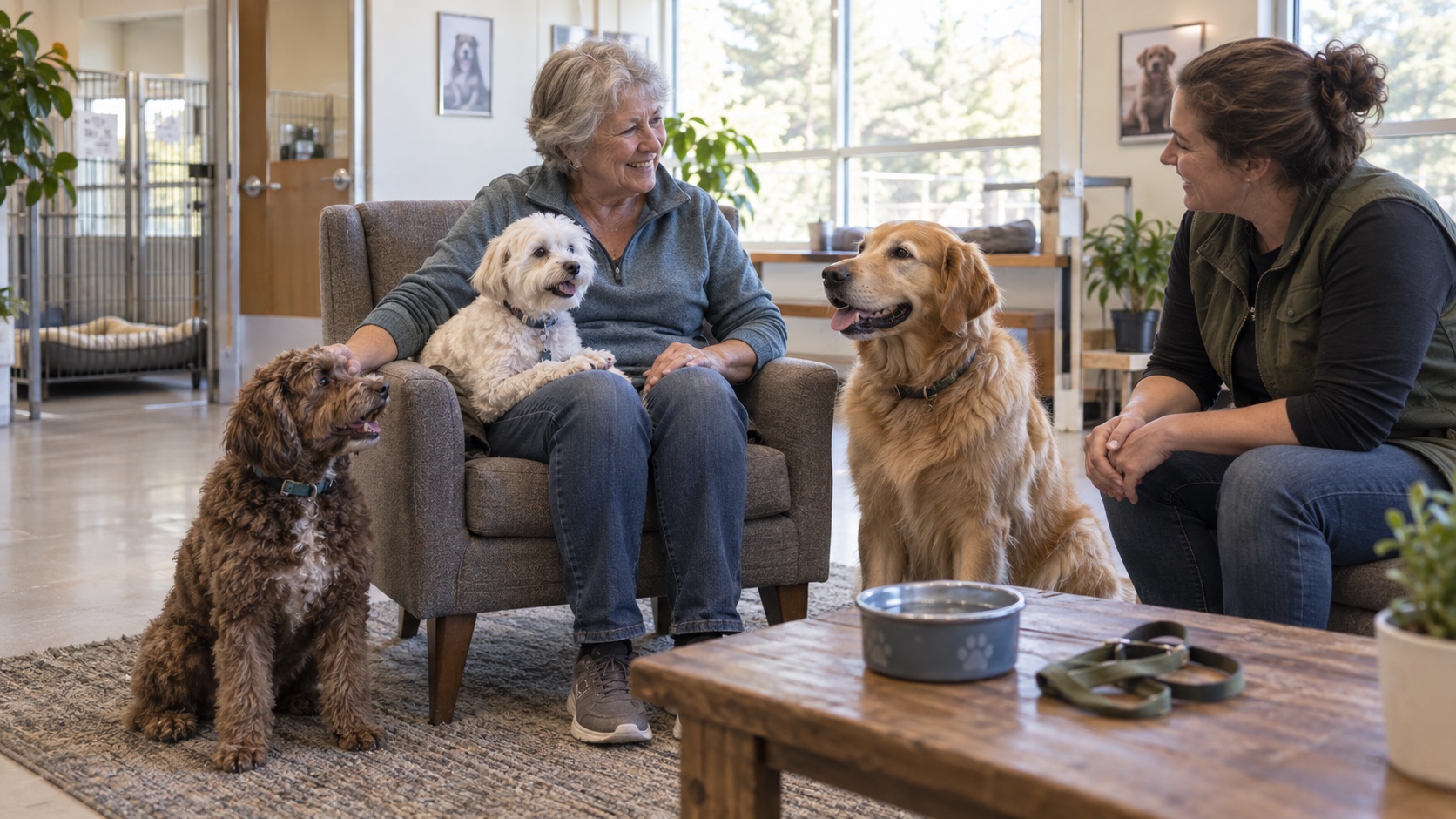
Meet the dog more than once if possible. Ask to see a normal walk, doorway behavior, handling of paws and ears, recovery after a surprise, and response to unfamiliar people or dogs. A foster-based rescue may know whether an adult dog is house-trained, vocal, comfortable alone, or likely to pull. A responsible breeder should discuss temperament, the parents, and the national breed club's recommended health testing. In either case, arrange a veterinary exam and read the actual records instead of accepting “healthy breed” as proof.
Falls deserve direct attention. A CDC analysis of emergency-department data found that walking dogs and chasing pets were common circumstances in pet-related fall injuries, with the highest injury rates among people age 75 and older. The study did not identify a safest breed or size, so this list does not invent one. Practical risk reduction means loose-leash training, clear walking paths, bowls and toys away from traffic routes, and a backup walker when weather or health makes an outing unsafe.
1. Bichon Frise
Best for: someone who wants a small, social companion and can commit to professional grooming. The Bichon takes our top position because its compact size, trainable nature, and moderate activity can fit many apartments and smaller homes. An adult with established house manners may be especially appealing to an owner who would rather skip puppy biting, midnight bathroom trips, and intensive early training.
The trade-off is coat care. Low shedding does not mean low maintenance: the curly coat needs regular brushing, bathing, trimming, and attention to mats. Budget and hand strength matter if you plan to do any grooming yourself. Ask for the dog's dental and veterinary history, meet the individual in a quiet setting, and confirm that its sociability does not become distress when left alone. A Bichon is a strong all-around candidate, not a universally easy dog.
2. Poodle
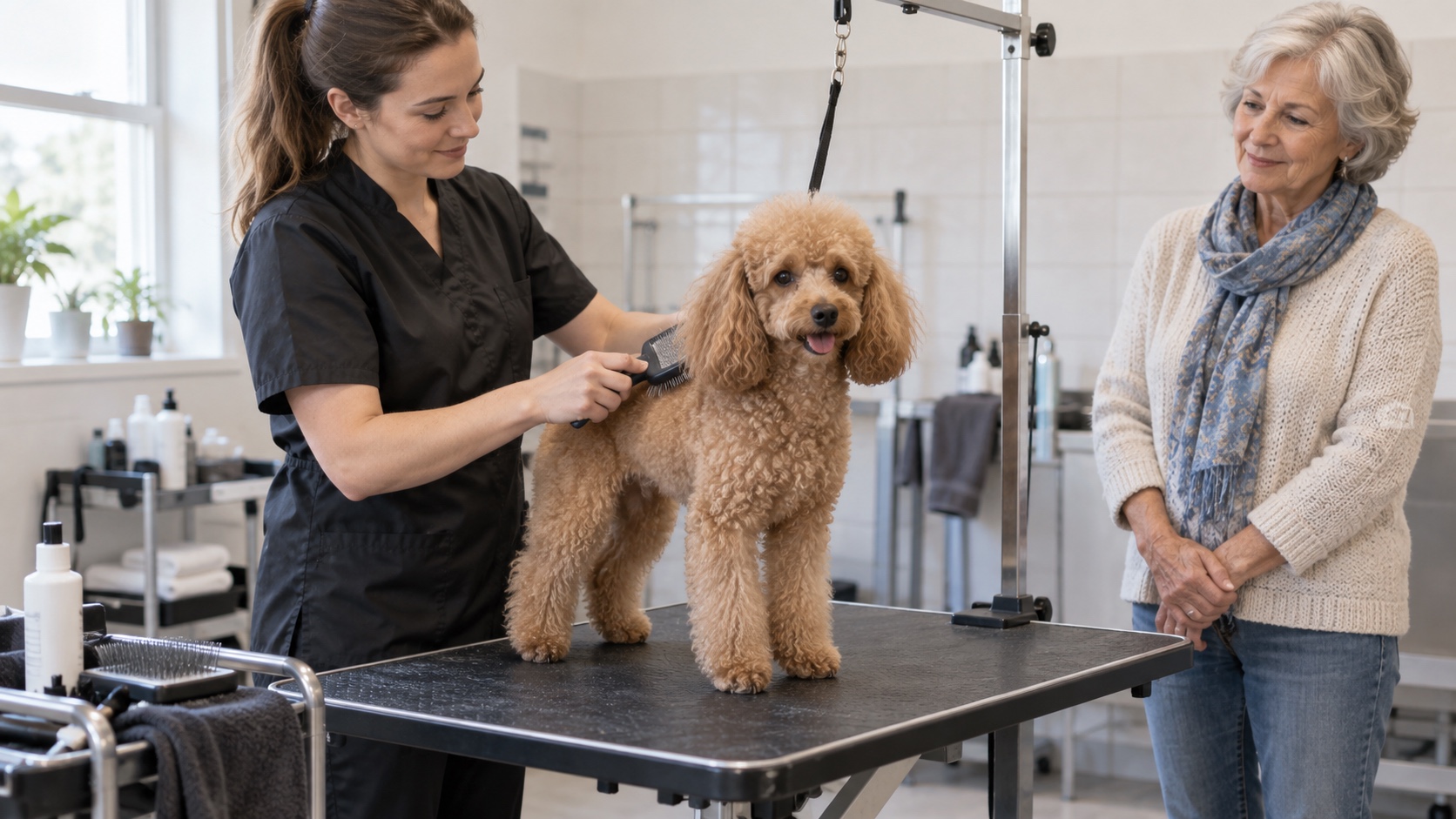
Best for: an owner who values training and wants a choice of sizes. Poodles are active, intelligent dogs rather than decorative lap accessories. A Miniature Poodle often offers a useful middle ground: easier to handle than a Standard, sturdier underfoot than some very small dogs, and capable of learning practical cues such as waiting at doors, settling on a mat, and walking without pulling.
Coat care is the obvious cost. The hair keeps growing and needs routine brushing and clipping, whether at home or with a professional. “Low shedding” is also not a guarantee that a person with allergies will tolerate a particular dog. Match the variety and individual energy level to your real routine, not the routine you hope to begin next month. Ask a breeder for the parent club's health-testing records, or ask a rescue for examination and behavior notes.
3. Cavalier King Charles Spaniel
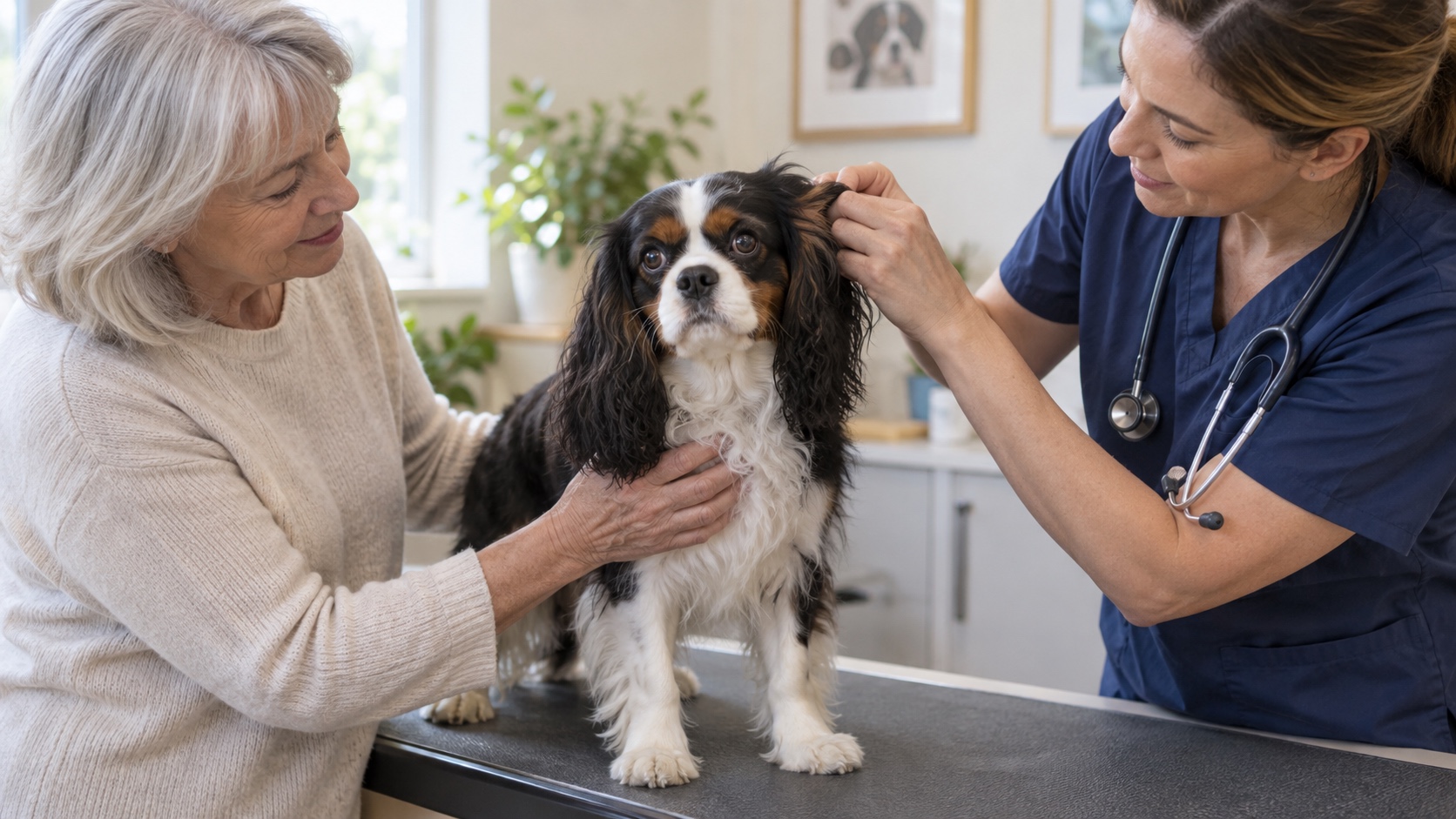
Best for: someone seeking an affectionate small spaniel that can enjoy both walks and quiet time. Cavaliers often adapt well to their owner's pace, which helps them rank highly. Their size is manageable for many people, but they still need daily activity, enrichment, training, and company. The long feathered coat also needs brushing, especially around the ears and legs.
Health history is the decisive caveat. Do not treat a friendly temperament as evidence that a puppy or adult has been responsibly bred or medically screened. Review the national breed club's current test recommendations, ask to see results rather than promises, and have your veterinarian interpret the records. For an adult rescue, request any cardiac, eye, orthopedic, and medication history available. This breed can be a close companion, but the likely veterinary workload must fit the owner's budget and support plan.
4. Shih Tzu
Best for: an apartment resident who prefers shorter outings and is prepared for coat and face care. The Shih Tzu's small size and companion-oriented history can suit a quieter home. A short “puppy cut” may reduce daily brushing compared with a full coat, but it does not eliminate regular grooming, eye-area cleaning, nail care, dental care, or professional appointments.
The flat face makes heat and breathing tolerance important. Keep exercise appropriate to the individual, avoid hot parts of the day, and ask a veterinarian about noisy breathing, exercise intolerance, eye irritation, or skin-fold problems rather than normalizing them as breed quirks. A small dog can still dart underfoot, resist handling, or bark at hallway sounds, so evaluate behavior in the actual housing context. This is a good fit for some low-key homes, provided grooming and brachycephalic health needs are not minimized.
5. Yorkshire Terrier
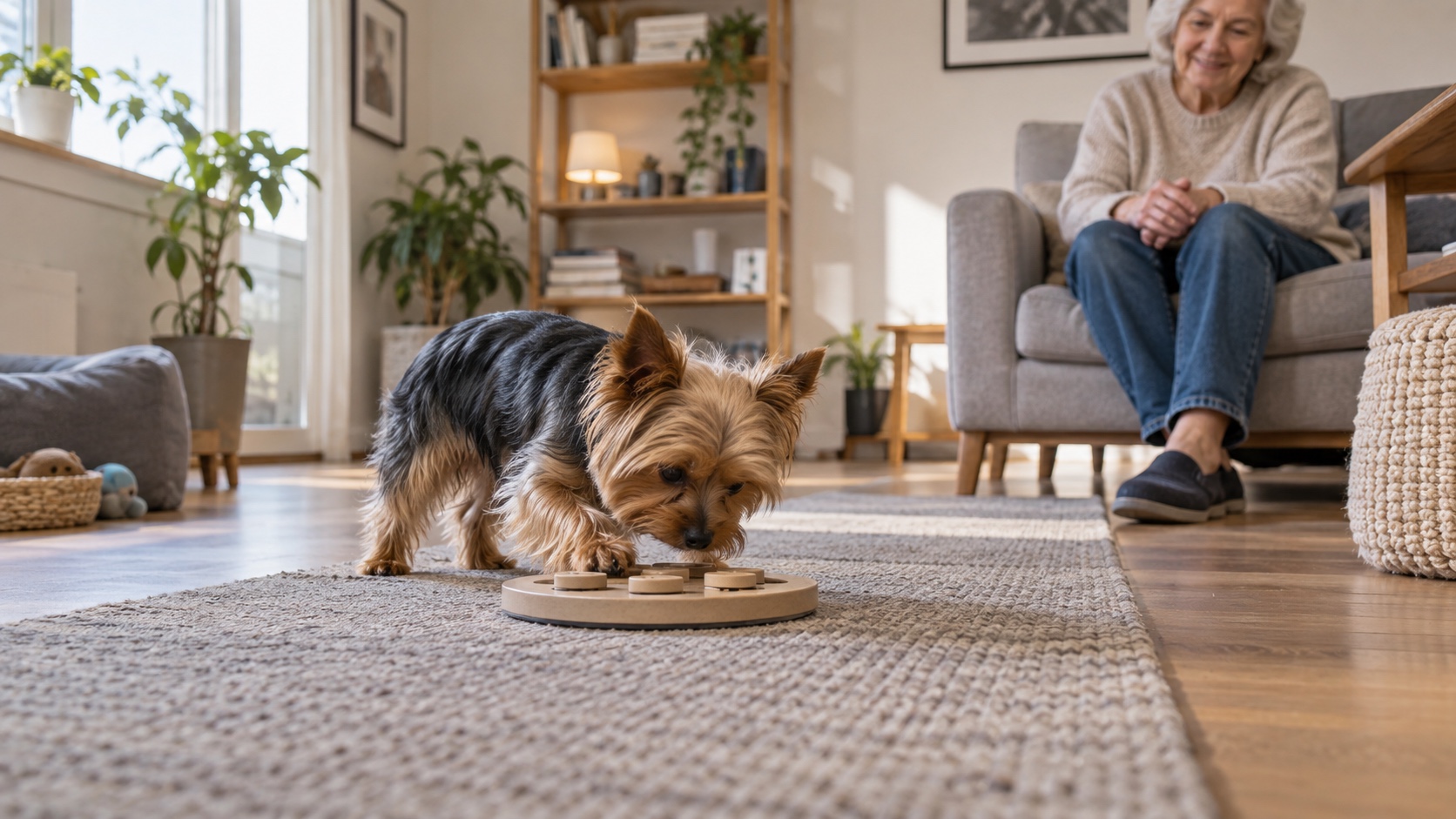
Best for: an experienced small-dog owner who wants portability and a lively personality. A Yorkie can exercise through a mix of walks, training, and indoor play, and its small body is easier to transport than a large retriever. That same size can make the dog hard to see near feet, mobility aids, or bedding. Clear pathways and reliable stationing cues matter.
Yorkies are terriers, not silent stuffed animals. Some are alert barkers, determined explorers, or selective about handling. Meet the individual and test ordinary situations such as elevators, visitors, grooming, and leash walks. A long coat requires significant care; a shorter trim still needs brushing and appointments. Never assume the dog should be carried in a bag instead of taught safe walking skills. Small size reduces some handling demands, but training remains part of daily care.
6. Miniature Schnauzer
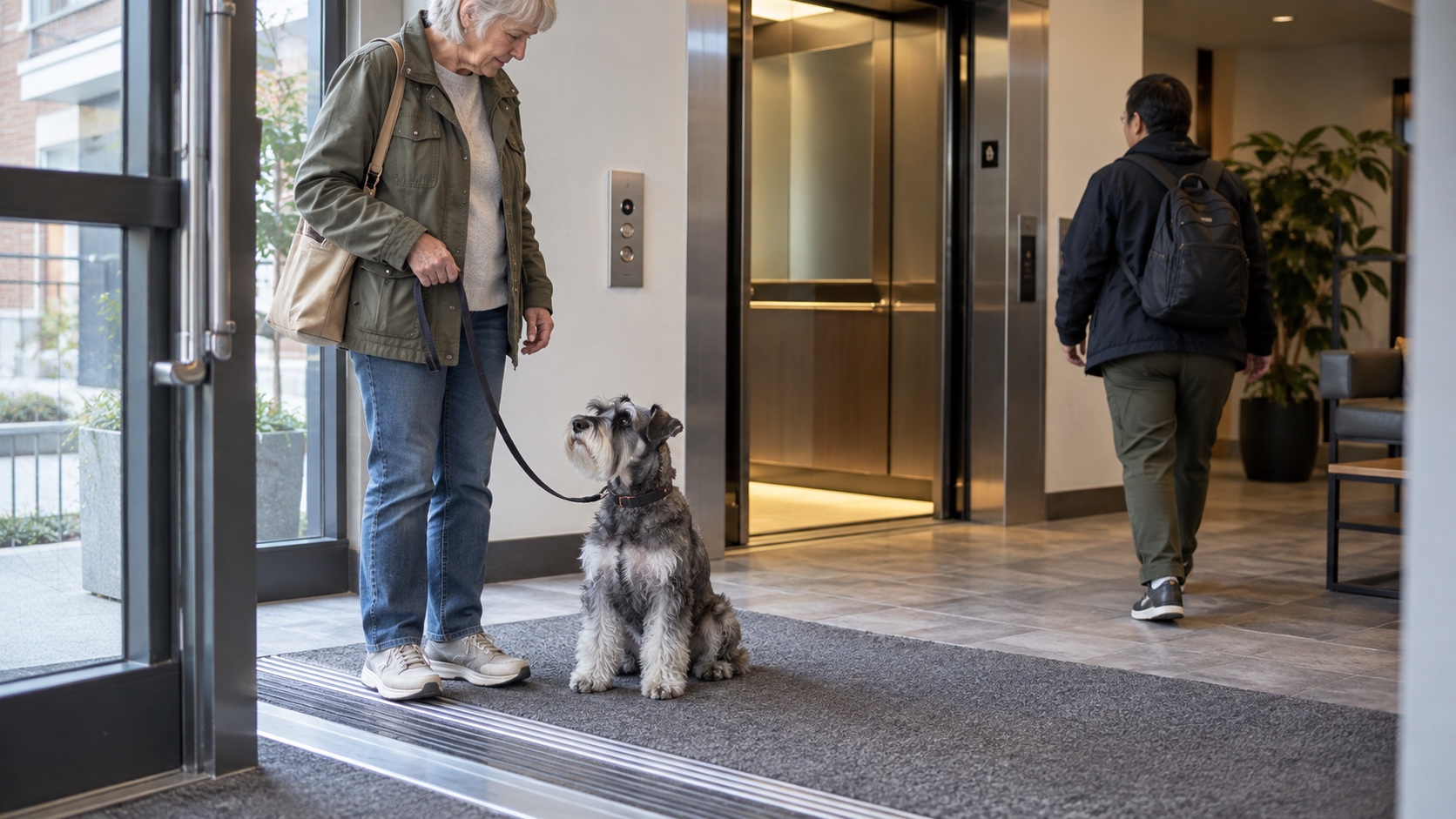
Best for: a moderately active owner who enjoys training an alert, sturdy small dog. The Miniature Schnauzer offers more physical substance than many toy breeds without reaching large-dog handling territory. Regular walks, scent games, and short training sessions can give the dog useful outlets. This is a better choice for someone who wants an engaged companion than for a person expecting a dog to be content with couch time alone.
The wiry coat needs clipping or hand stripping plus routine brushing. Alert barking can be a concern in shared housing, and leash reactions or doorway excitement should be evaluated rather than dismissed. Ask to see the dog's response after the trigger passes: recovery is often more informative than one bark. An adult dog with known manners may outrank a puppy for a household that values predictability.
7. Greyhound
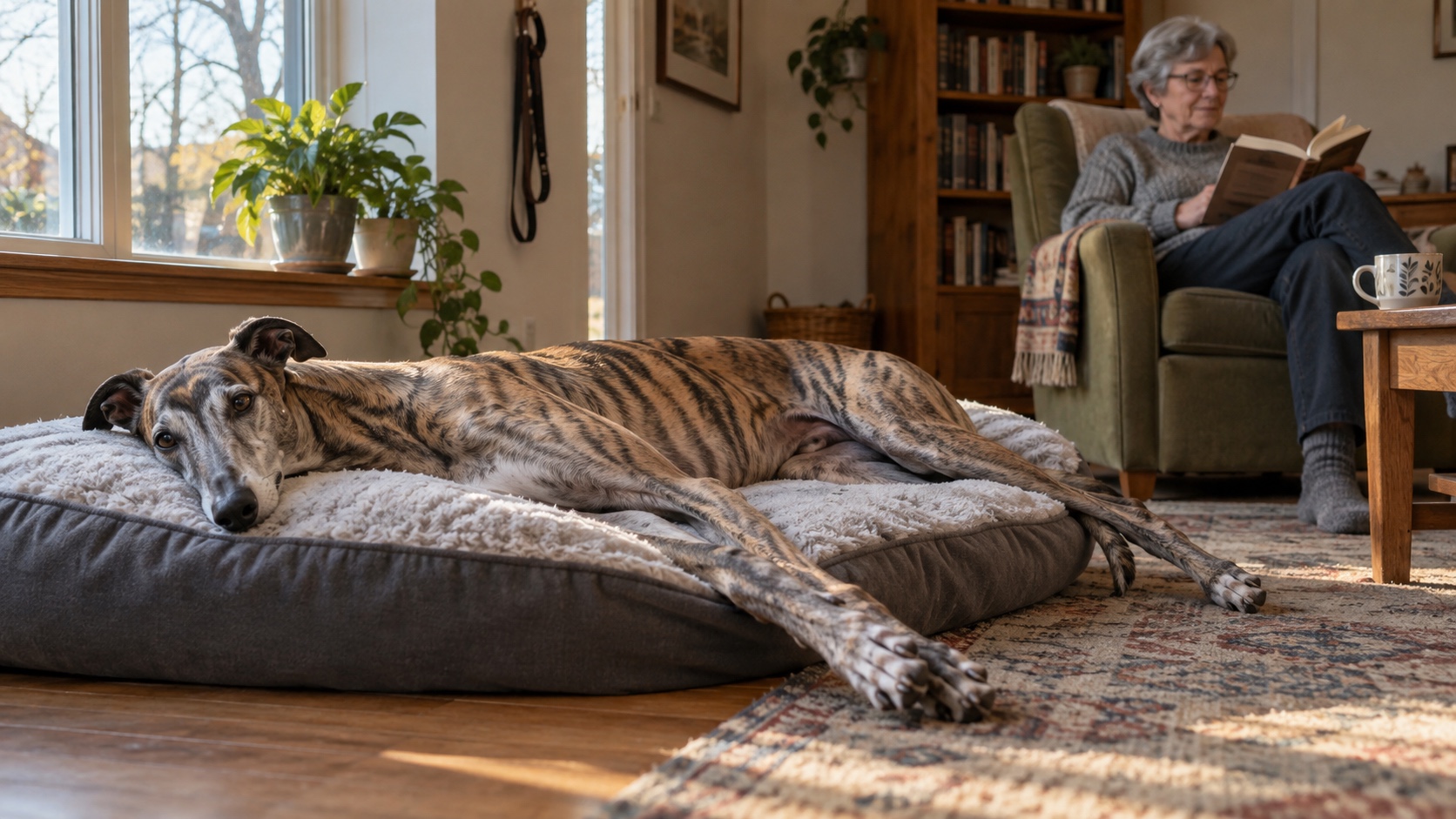
Best for: someone who likes a calm adult large dog and can manage its size safely. The AKC describes the Greyhound as gentle and sweet-tempered, but breed-level language cannot predict every dog. Many retired racers or rescue Greyhounds have foster notes that reveal house manners, reactions to small animals, stair experience, and comfort when alone.
A Greyhound takes up substantial floor and car space and may be difficult to lift after an injury. Sighthound prey drive also makes a secure leash and fenced area important; a quiet living room does not mean reliable off-leash recall. Evaluate stairs, slick floors, leash starts, and the presence of cats or small dogs. For the right owner, an adult Greyhound can be less hectic indoors than its athletic silhouette suggests. For someone with balance or lifting limitations, the size may move it off the shortlist.
8. Golden Retriever
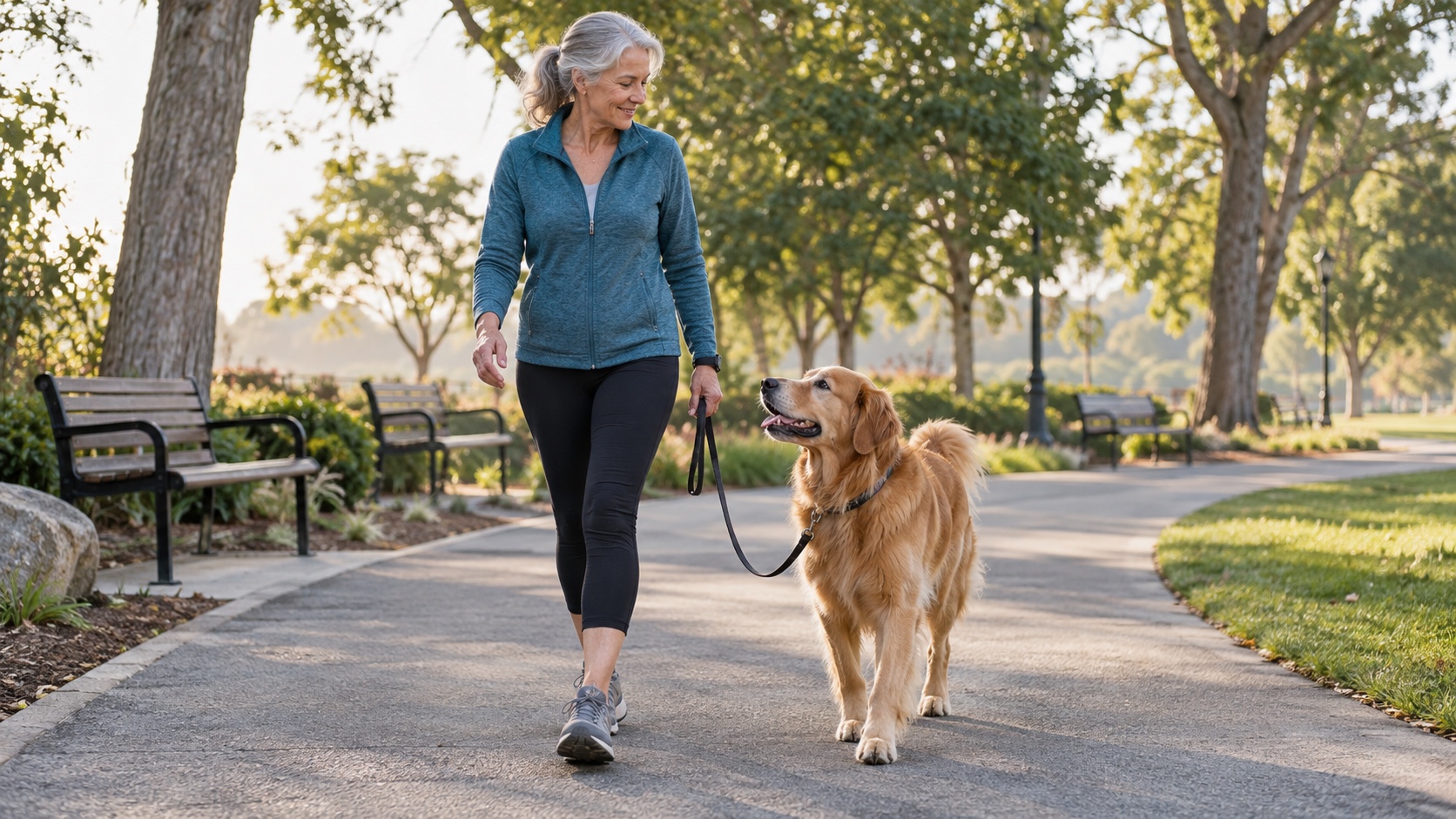
Best for: an active owner with the strength, time, space, and backup help for a large sporting dog. Goldens can be social, trainable companions, yet they need more exercise and shed more hair than the small breeds above. A young dog may jump, pull, carry objects, or greet people with enough enthusiasm to challenge balance. An older, trained individual may be a very different proposition.
Watch a full walk before deciding. The leash should stay loose through turns, distractions, and stops—not only for ten steps in a quiet room. Consider transportation, bathing, stairs, veterinary emergencies, and who can care for the dog if the owner is temporarily unable. A yard can help with convenience, but it does not replace exercise or training; household workload also matters when considering outdoor projects and yard upkeep.
9. Pug
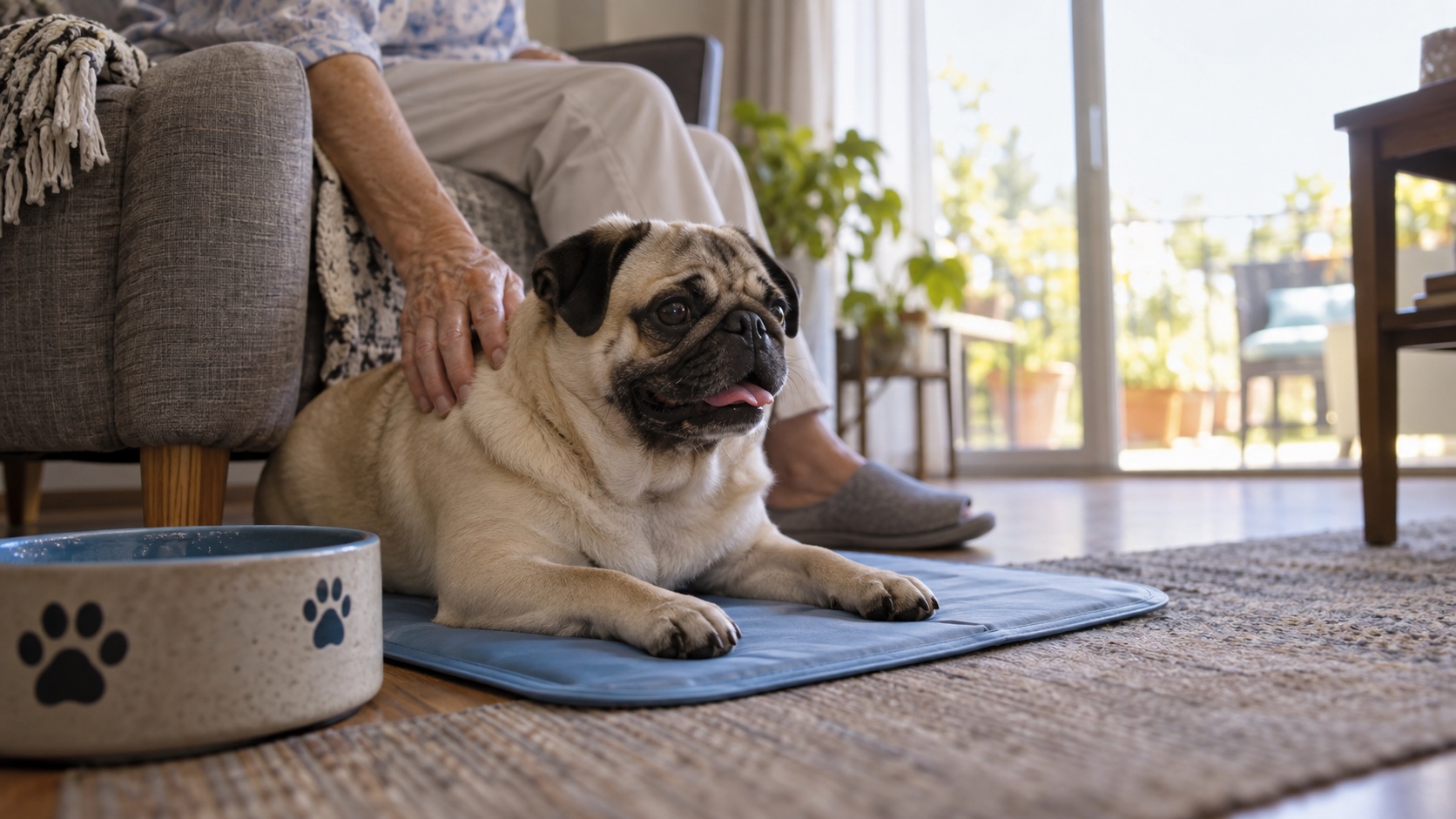
Best for: a home-centered owner who understands brachycephalic health and lives in a climate-controlled setting. Pugs are compact, social, and often happy to remain close to their people. Those qualities explain the appeal. They do not justify the old article's claim that the breed is low maintenance or that loud snoring is merely a light-sleeper inconvenience.
Snoring, noisy breathing, exercise intolerance, overheating, and repeated skin or eye trouble should be discussed with a veterinarian. The Royal Veterinary College's overview of brachycephalic health issues identifies important welfare risks for flat-faced breeds, including Pugs. Ask for health-testing documentation, evaluate breathing at rest and after gentle movement, keep the dog lean, and budget for veterinary care. These constraints push the Pug near the bottom of a broad-fit ranking despite its companionable personality.
10. French Bulldog
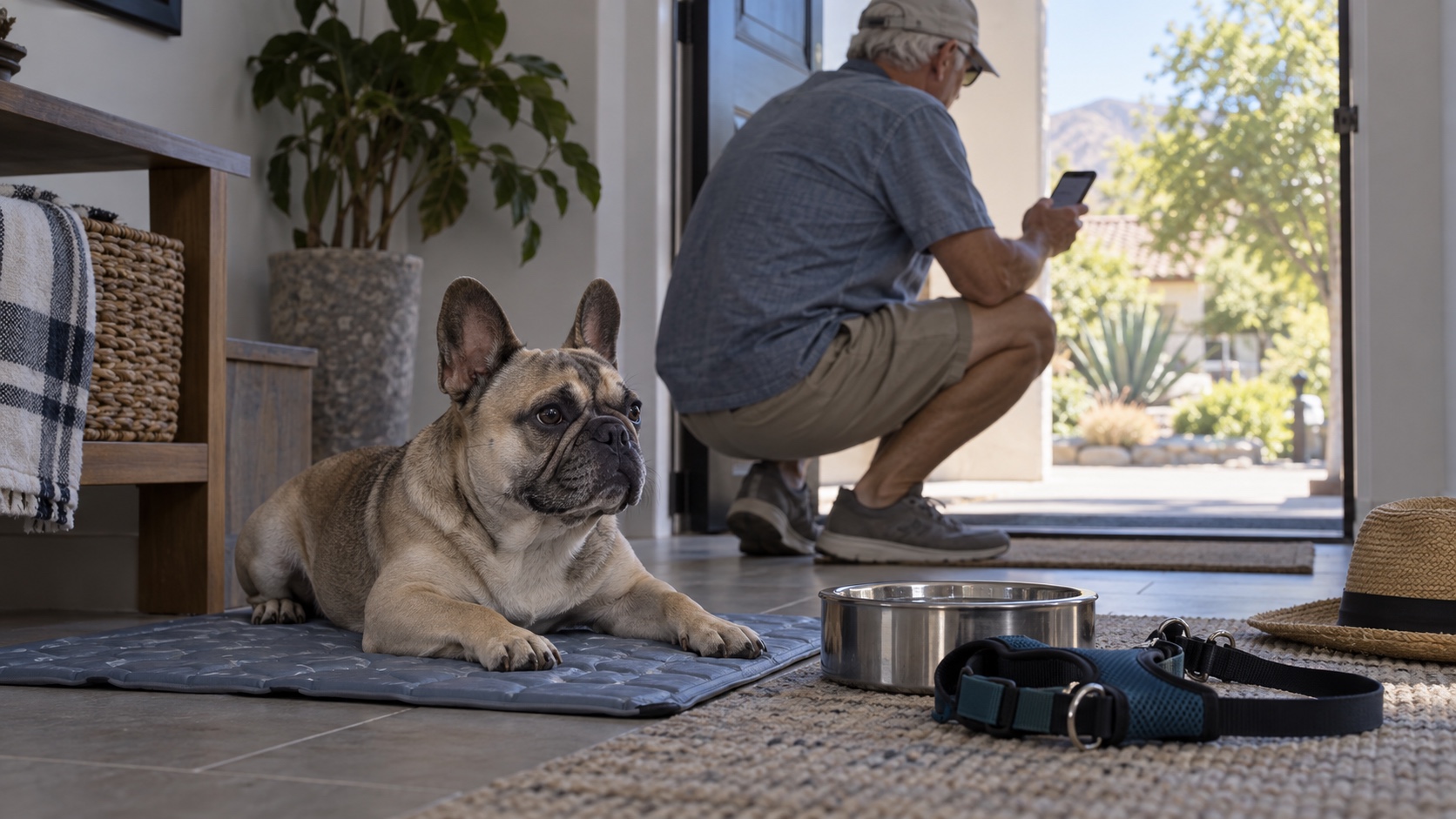
Best for: an informed owner specifically prepared for the breed's medical and temperature-management demands. A French Bulldog is compact and may fit apartment life, but compact is not the same as uncomplicated. The national breed club notes that the short face can make breathing less efficient and reduce tolerance for heat, strenuous exercise, and stress.
The AKC's parent-club health-testing page lists multiple recommended evaluations for French Bulldogs. Prospective owners should examine those records, discuss airway function and spine concerns with a veterinarian, and avoid normalizing persistent respiratory noise. The breed ranks tenth because its housing convenience is outweighed by health and welfare constraints for a general audience. That is a population-level caution, not a judgment about the affection or value of an individual dog.
Budget, backup care, and the better adult-dog question
Price the complete routine: food, preventive care, insurance or emergency savings, grooming, training, boarding, medication, transportation, and a dog walker. Do not spend retirement money on the assumption that one breed stays healthy or needs less care. If pet costs affect a broader plan, review the same cash-flow discipline used in our retirement savings guide, then get real local quotes before adopting.
Finally, ask a more useful question than “Which breed is best for seniors?” Ask which individual adult dog can walk safely with you, settle in your home, accept routine care, fit your budget, and remain supported if your circumstances change. Breed traits can narrow the search. A calm meeting, transparent behavior history, veterinary records, health testing, and a realistic backup plan make the final decision defensible.
Sources and verification
Selection criteria, breed-fit considerations, and health cautions were checked on September 22, 2026 against the American Kennel Club, AKC-recognized parent-club testing recommendations, the American Veterinary Medical Association, the Centers for Disease Control and Prevention, and the Royal Veterinary College. Breed tendencies describe groups, not guaranteed behavior or health in one dog. A veterinarian and qualified behavior professional can help evaluate the specific animal and household.