
Costco vs. Sam's Club: Which One Is Cheaper in 2026?


Sam's Club has the lower standard membership fee: $60 a year versus $65 for Costco Gold Star. That does not make every Sam's Club basket cheaper. Prices and package sizes vary by club, ZIP code, date, and promotion, so the honest winner depends on what you buy and which location you will actually use.
We checked the clubs' current U.S. membership, benefits, location, and payment pages on September 21, 2026. Our comparison uses five criteria: private-label value, annual fee, useful perks, local convenience, and payment flexibility. Temporary new-member promotions are excluded because they do not represent the normal renewal price.
Costco vs. Sam's Club at a glance
| Criterion | Costco | Sam's Club | Our verdict |
|---|---|---|---|
| Standard annual fee | Gold Star: $65 | Club: $60 | Sam's Club by $5 |
| Premium annual fee | Executive: $130 | Plus: $120 | Sam's Club by $10 |
| Private label | Kirkland Signature | Member's Mark | Compare your exact basket |
| U.S. and Puerto Rico footprint | 633 warehouses at November 23, 2025 | 602 clubs at July 31, 2026 | Costco on this snapshot; proximity matters more |
| Credit cards in club | Visa | Visa, Mastercard, American Express, Discover | Sam's Club for flexibility |
1. Store-brand items: compare unit prices, not old shopping lists
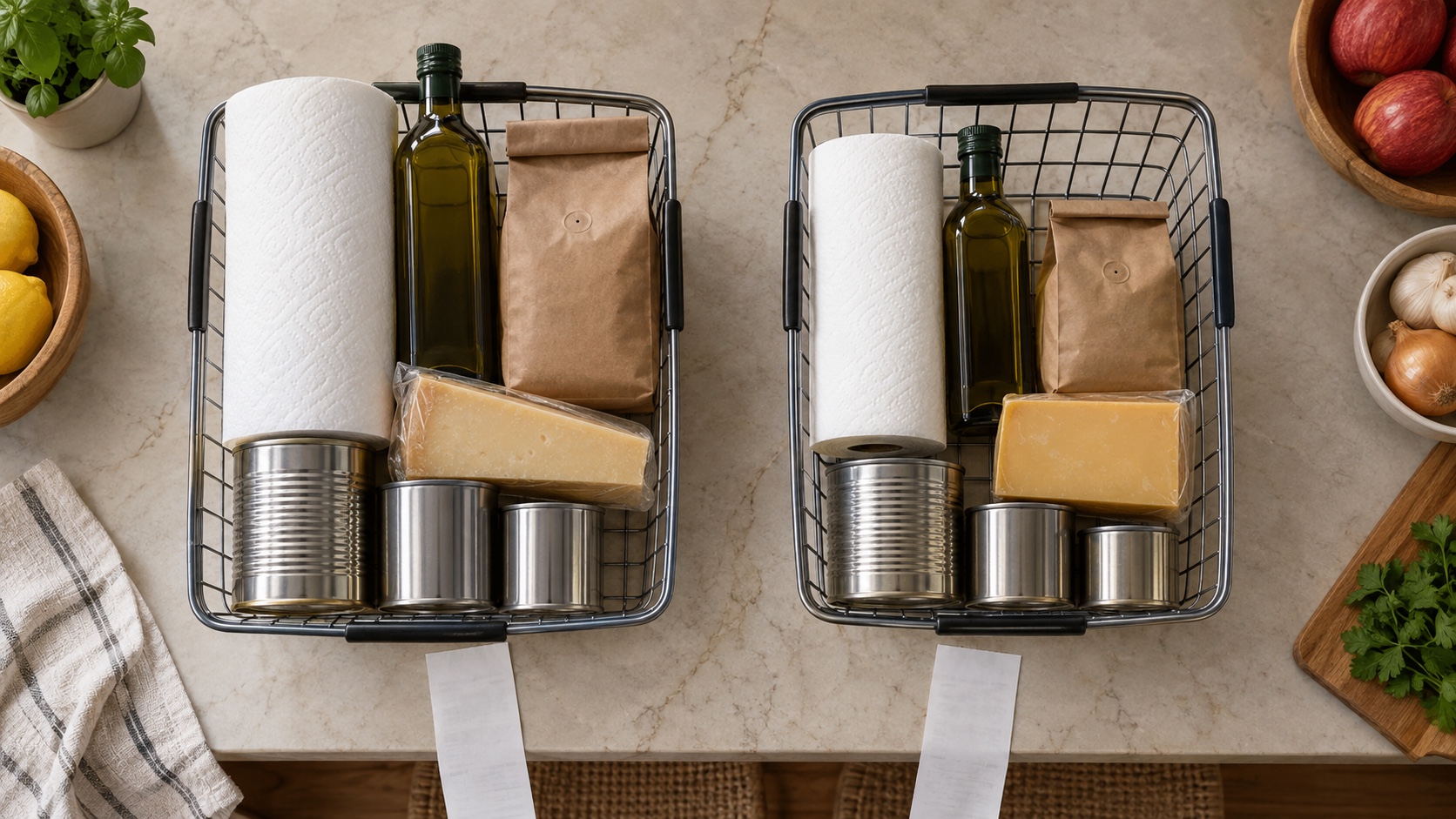
Costco's private label is Kirkland Signature; Sam's Club calls its line Member's Mark. Both span multiple grocery and household categories. Neither official source establishes that its whole private-label line is cheaper than the other, and a few hand-picked products cannot prove a chain-wide winner.
Build a ten-item test basket from things your household repeatedly finishes: perhaps paper towels, olive oil, coffee, cheese, detergent, and canned goods. Record the same-day price, package quantity, and unit price at the two clubs serving your ZIP code. Match like with like—ounces to ounces, ply to ply, and comparable ingredients or specifications. Then count only what you will use before it spoils. A lower cost per ounce is not a saving when half the pack goes to waste.
Verdict: no responsible universal winner. Costco emphasizes Kirkland Signature quality and value; Sam's Club describes Member's Mark as a curated private label shaped by member feedback. Your recurring basket is stronger evidence than a viral price list from another city or year.
2. Membership costs: Sam's Club is cheaper at the regular rate

Costco currently lists Gold Star at $65 and Executive at $130 per year, plus applicable tax. Sam's Club lists Club at $60 and Plus at $120. Each standard membership includes a second card for an eligible household member under the club's rules.
The gap is modest: Sam's Club saves $5 at the standard tier and $10 at the premium tier. Do not let a first-year promotion decide a long-term comparison. Instead, divide the regular fee by your realistic annual visits. At twelve visits, the standard fee works out to about $5.42 per Costco trip and $5 per Sam's Club trip before any merchandise savings.
Both companies advertise satisfaction guarantees for the membership. That is a consumer protection, not a plan for getting a “free trial.” Join only when the location, basket, and services make sense; if the membership genuinely disappoints, follow the current cancellation terms.
3. Perks: choose the benefits you will use

Costco Executive members receive an annual 2% reward on qualifying Costco, Costco.com, and Costco Travel purchases, currently capped at $1,250. The $65 upgrade over Gold Star breaks even from the reward alone at about $3,250 in eligible annual spending. Costco also lists Executive shopping hours, a monthly $10 credit on an eligible $150-or-more SameDay or Instacart order, and added value on selected Costco Services. Exclusions matter, so read the current benefit terms before treating the reward as cash back on everything.
Sam's Club Plus members receive 2% Sam's Cash on qualifying pre-tax purchases, currently capped at $750 per membership year. Sam's Club also lists free shipping and free Delivery from Club on eligible orders of $50 or more, early shopping, and selected pharmacy, optical, and tire benefits. Its official benefits page spells out delivery fees, geographic limits, and excluded items.
At the basic tier, both clubs provide warehouse and online shopping, a household card, member fuel pricing where offered, and member-only savings. Sam's Scan & Go can be decisive for shoppers who dislike checkout lines; Costco Travel can matter to travelers who find a competitive package. Verdict: Sam's Club Plus offers the lower premium fee and a strong convenience bundle, while Costco Executive can suit households with substantial eligible Costco spending or useful travel and service benefits.
4. Location: the shortest useful trip often wins

Costco reported 633 warehouses in the United States and Puerto Rico on November 23, 2025. Walmart reported 602 Sam's Club U.S. locations as of July 31, 2026. These are dated corporate snapshots, not promises that either chain serves your neighborhood.
Put your home, workplace, or normal errand route into each official club locator. Compare round-trip miles, traffic, fuel-station access, hours, curbside or delivery coverage, and whether the location stocks your recurring items. If one trip adds 20 miles, multiply that distance by your vehicle's real operating cost and expected visits. The closest club can beat a small membership discount before you put anything in the cart.
Verdict: Costco had the larger U.S.-and-Puerto-Rico count in the cited snapshots, but the useful winner is the club that fits your route and inventory needs.
5. Payment methods: Sam's Club accepts more credit networks in club
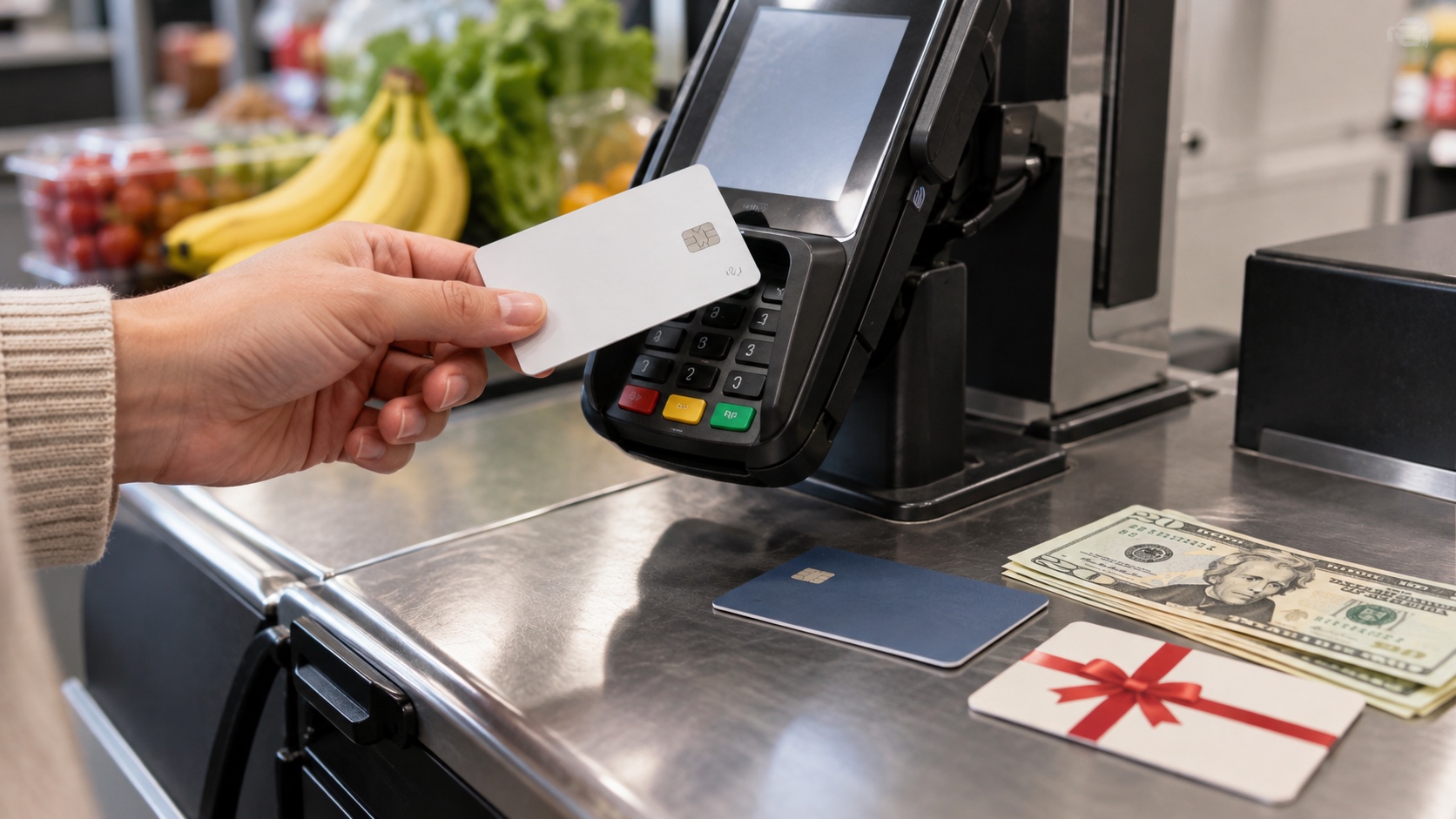
U.S. Costco warehouses accept Visa cards, most PIN-based debit or ATM cards, Costco Shop Cards, cash, eligible checks, EBT, and supported mobile wallets. Costco.com also accepts Mastercard, but that does not make a Mastercard credit card valid at a U.S. warehouse register.
Sam's Club accepts Visa, Mastercard, American Express, and Discover from qualifying U.S.-based accounts, plus debit, cash or check in club, Sam's Cash, eligible gift cards, and SNAP/EBT under its channel rules. Some health-benefit cards work only in club, and PayPal is not accepted.
Verdict: Sam's Club wins for credit-card flexibility. Costco's Visa-only warehouse rule may be irrelevant if your preferred card is Visa, but it can erase rewards or convenience for a household committed to another network.
So, which one is cheaper?
Sam's Club is cheaper to join, but there is no chain-wide merchandise winner. Pick Sam's Club when the lower fee, wider in-club credit-card acceptance, Scan & Go, or Plus delivery benefits match your habits. Pick Costco when its nearby warehouse, Kirkland Signature assortment, Costco Travel, or Executive reward produces more value in your own receipts.
Before joining, run one disciplined comparison: the same ten products, the same day, comparable package specifications, and the normal annual fee. Add travel cost and subtract only benefits you expect to use. For a deeper look at one side of the decision, see our guide to Costco membership benefits and our list of prepared family meals at Costco. You can also compare the broader market in our guide to the most and least expensive U.S. grocery stores.
Frequently asked questions
Is Sam's Club cheaper than Costco?
Its normal annual fee is lower: $60 for Club versus $65 for Costco Gold Star as checked on September 21, 2026. Merchandise prices vary by product, package, place, and date, so compare your own basket by unit price.
Which premium membership costs less?
Sam's Club Plus is $120 a year, while Costco Executive is $130, plus applicable tax. The cheaper tier is not automatically the better value; compare reward eligibility and benefits you will actually use.
Can I use Mastercard at Costco?
Costco.com accepts Mastercard, but U.S. Costco warehouses list Visa for credit-card payments. Most PIN-based debit cards and several other payment types are also accepted in warehouses.
How should I compare warehouse-club grocery prices?
Use the same date and local market, compare equivalent specifications, calculate price per ounce or count, and exclude quantities your household is unlikely to finish. Repeat the test on recurring purchases rather than promotional one-offs.