
10 Unforgettable Destinations for a Meaningful Adventure

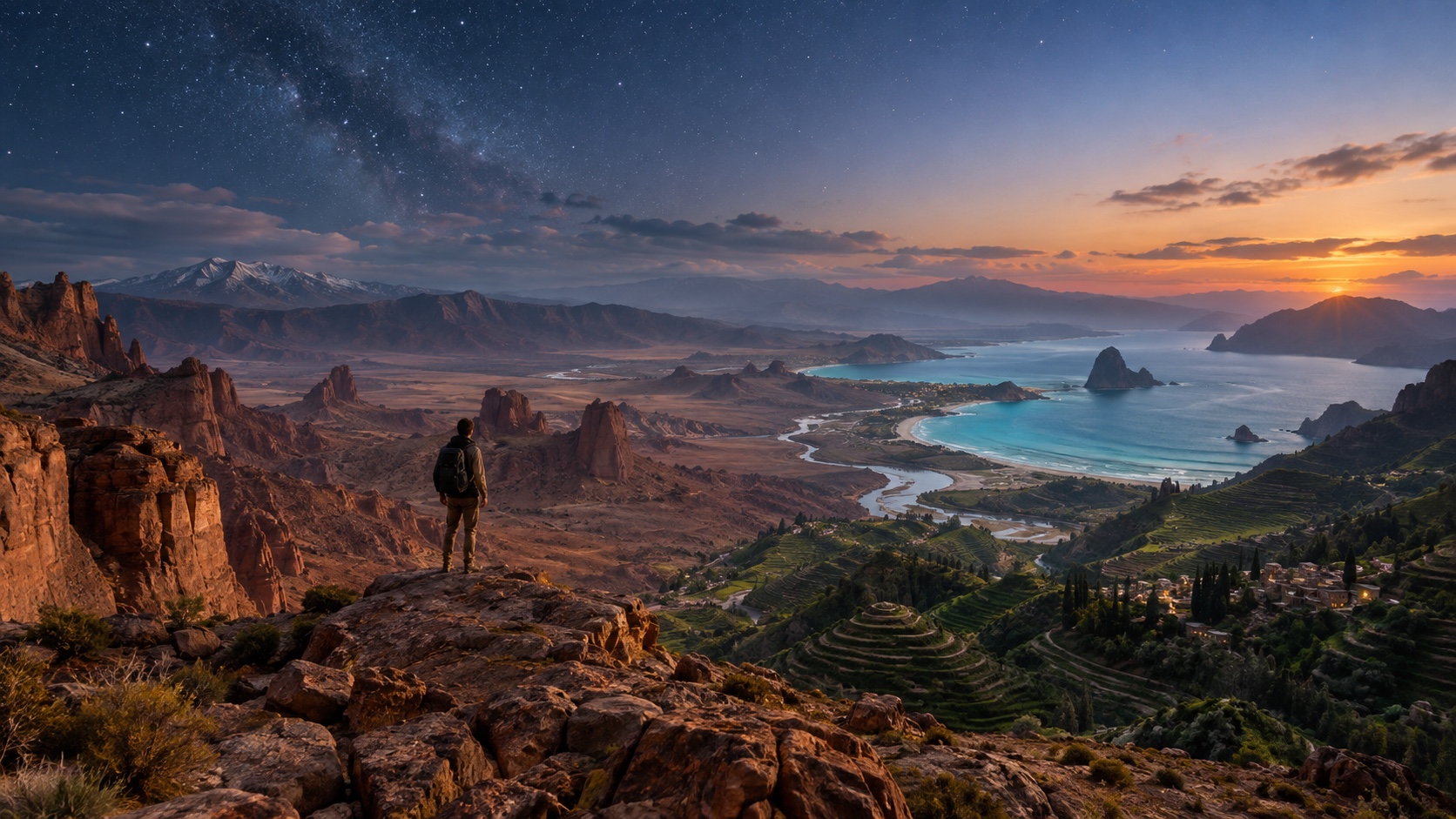
The trips that stay with you are rarely the ones with the longest attraction checklist. They are the places where landscape, living culture, and the way you move through them feel inseparable. Our top pick, Bali, makes that connection unusually easy to see in its working rice terraces and water-temple system. Marrakech is the strongest urban choice, while Bhutan rewards travelers who accept more planning in exchange for a slower, carefully managed visit.
This is an editorial ranking, not a measurement of which culture is “most exotic.” That label can turn places where people live into scenery for outsiders. Instead, we compared ten destinations using the same four criteria: a distinctive sense of place, variety within a realistic trip, the depth of the cultural or natural story, and how responsibly a visitor can experience it. We also considered friction. Fees, altitude, seasonal access, long transfers, and conservation rules do not make a destination worse, but they can change who it suits.
How we ranked these destinations
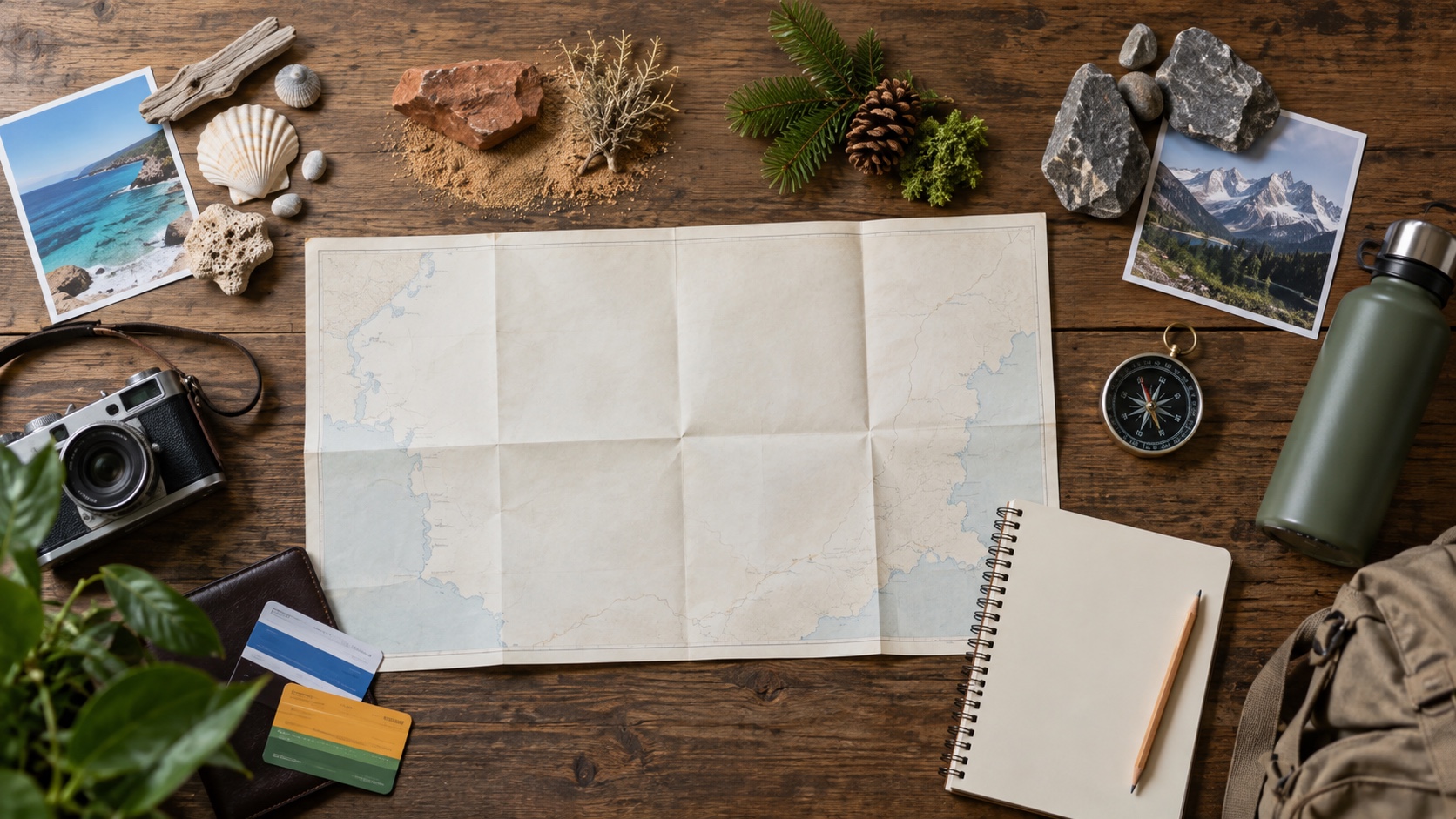
Each destination needed more than one photogenic landmark. The best entries let you connect geology to settlement, wildlife to conservation, or architecture to trade and belief. We favored places that still reveal those relationships when you slow down, hire local expertise where it matters, and follow site rules. Positions are close: a wildlife-focused traveler could reasonably put the Galápagos first, while an archaeology fan might choose Petra.
Conditions change. Visa rules, conservation fees, park permits, weather closures, health requirements, and regional security can all shift after publication. Treat this guide as a shortlist, then check the linked official source and the U.S. State Department advisory for every country before paying for a nonrefundable trip. The facts and official pages below were reviewed September 21, 2026.
1. Bali, Indonesia: best overall blend of culture and landscape
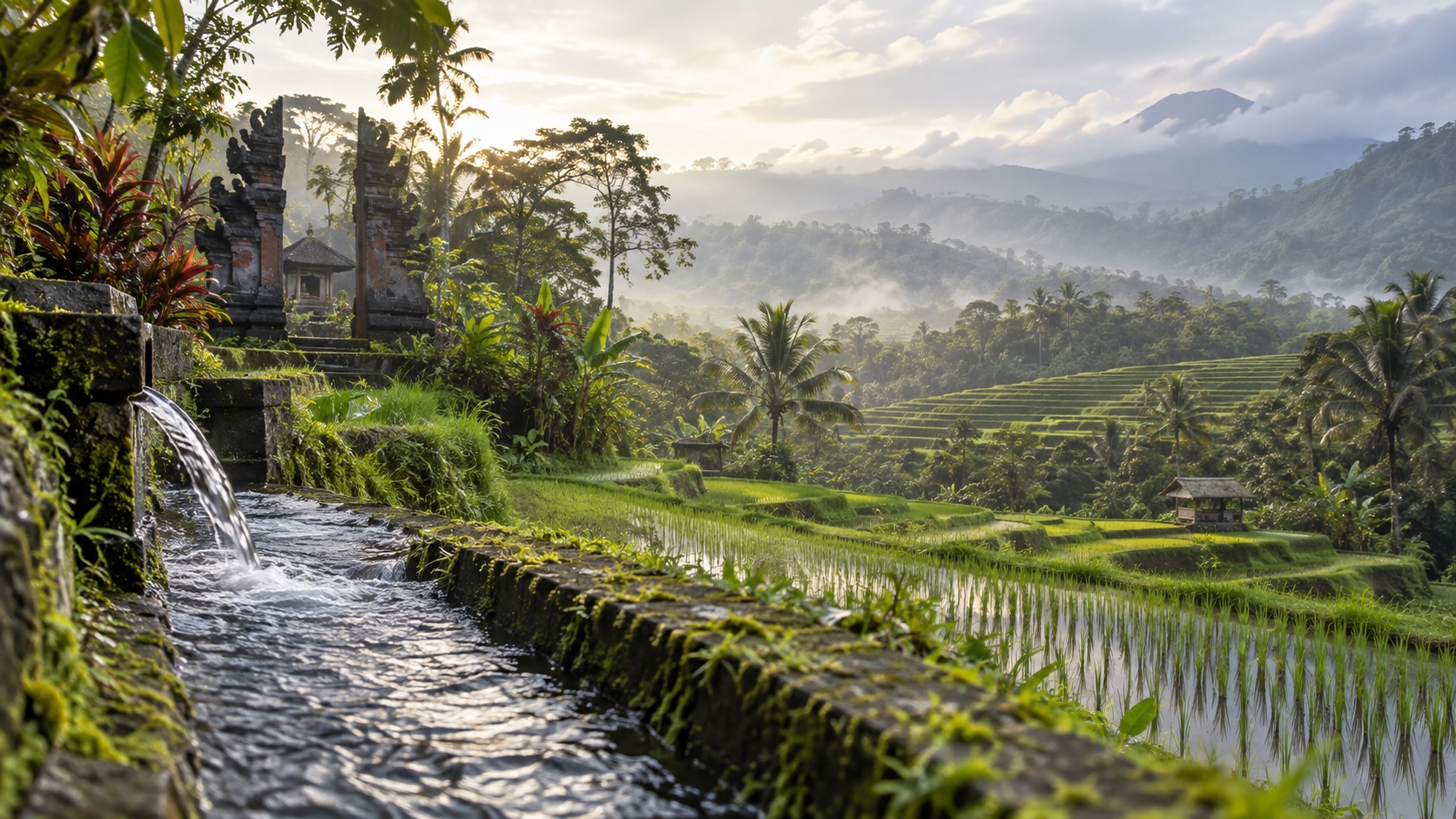
Best for: travelers who want temples, food, surf, and a rural cultural landscape in one trip. Bali earns first place because its appeal is not limited to beaches. The island's UNESCO-listed subak landscape links rice terraces, canals, farmers' cooperatives, and water temples in a system that has shaped the island for centuries. Seeing a working irrigation channel with a knowledgeable local guide tells you more than racing between “Instagram spots.”
The trade-off is pressure from traffic, crowds, development, and water use. Base yourself in fewer places, allow extra road time, dress and behave respectfully at active temples, and do not enter fields or ceremonial spaces for a photograph. Scooter rental is not a shortcut for an inexperienced rider; use a licensed driver or regulated transport if you are not qualified and insured. Bali suits a first long-haul trip because it offers many levels of activity, but the most rewarding version is deliberately unhurried.
2. Marrakech, Morocco: best for an immersive city break
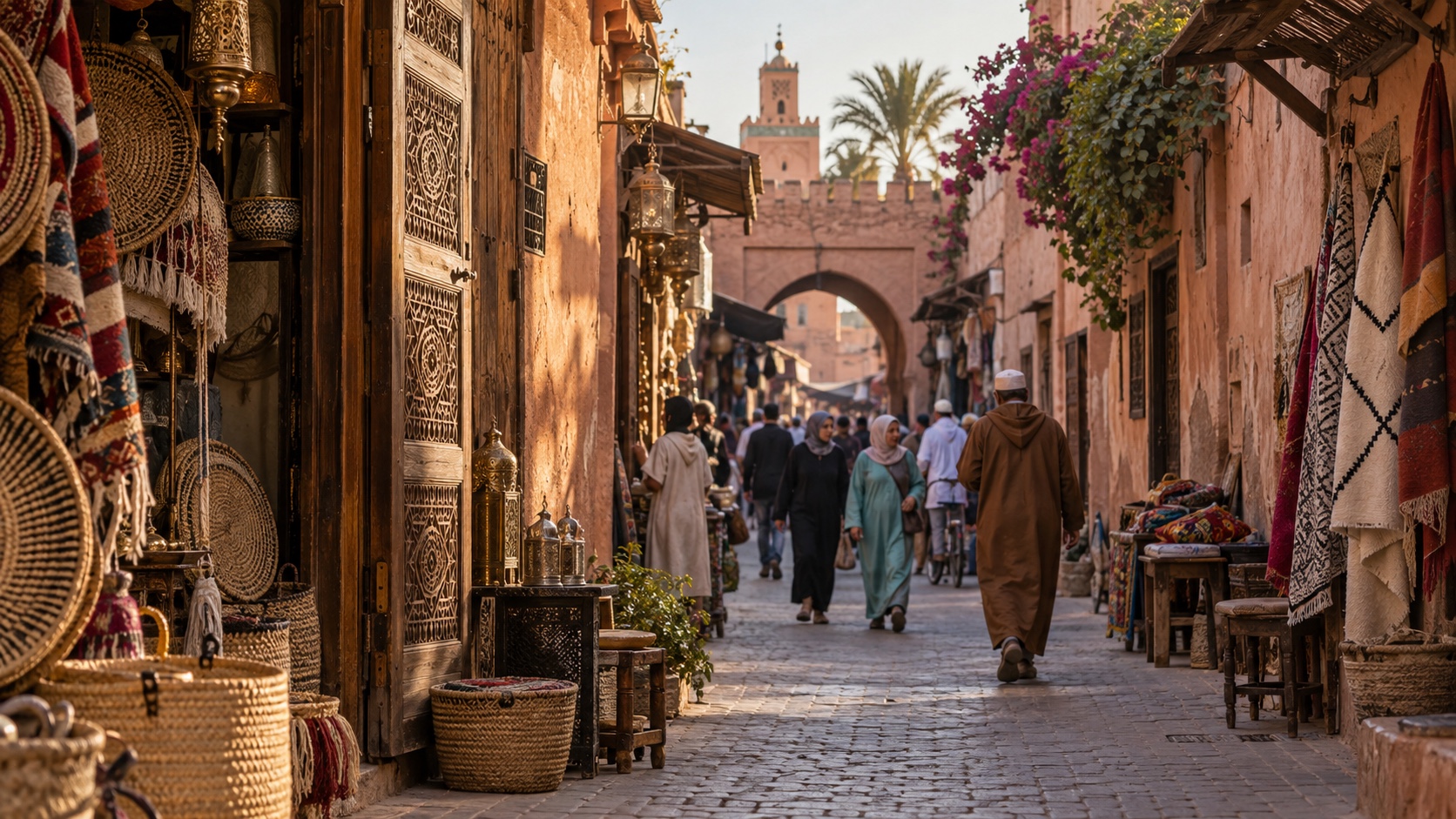
Best for: travelers who enjoy architecture, markets, gardens, and learning a city on foot. Marrakech places you inside a living urban pattern rather than in front of a single monument. UNESCO describes the Medina of Marrakesh as a historic political, economic, and cultural center whose fabric includes the Koutoubia Mosque, ramparts, gardens, palaces, souks, and Jamaâ El Fna.
That density is also the challenge. Navigation can be tiring, bargaining norms take adjustment, and scooters share narrow lanes with pedestrians. Choose a licensed guide for the first walk if complex street layouts make you anxious, agree on prices before a service, and ask permission before photographing people or their work. Marrakech ranks above the remaining entries because a few days can deliver remarkable depth without multiple domestic flights, but it is a better fit for alert city travelers than for anyone seeking quiet.
3. Bhutan: best for a slower, planned Himalayan journey
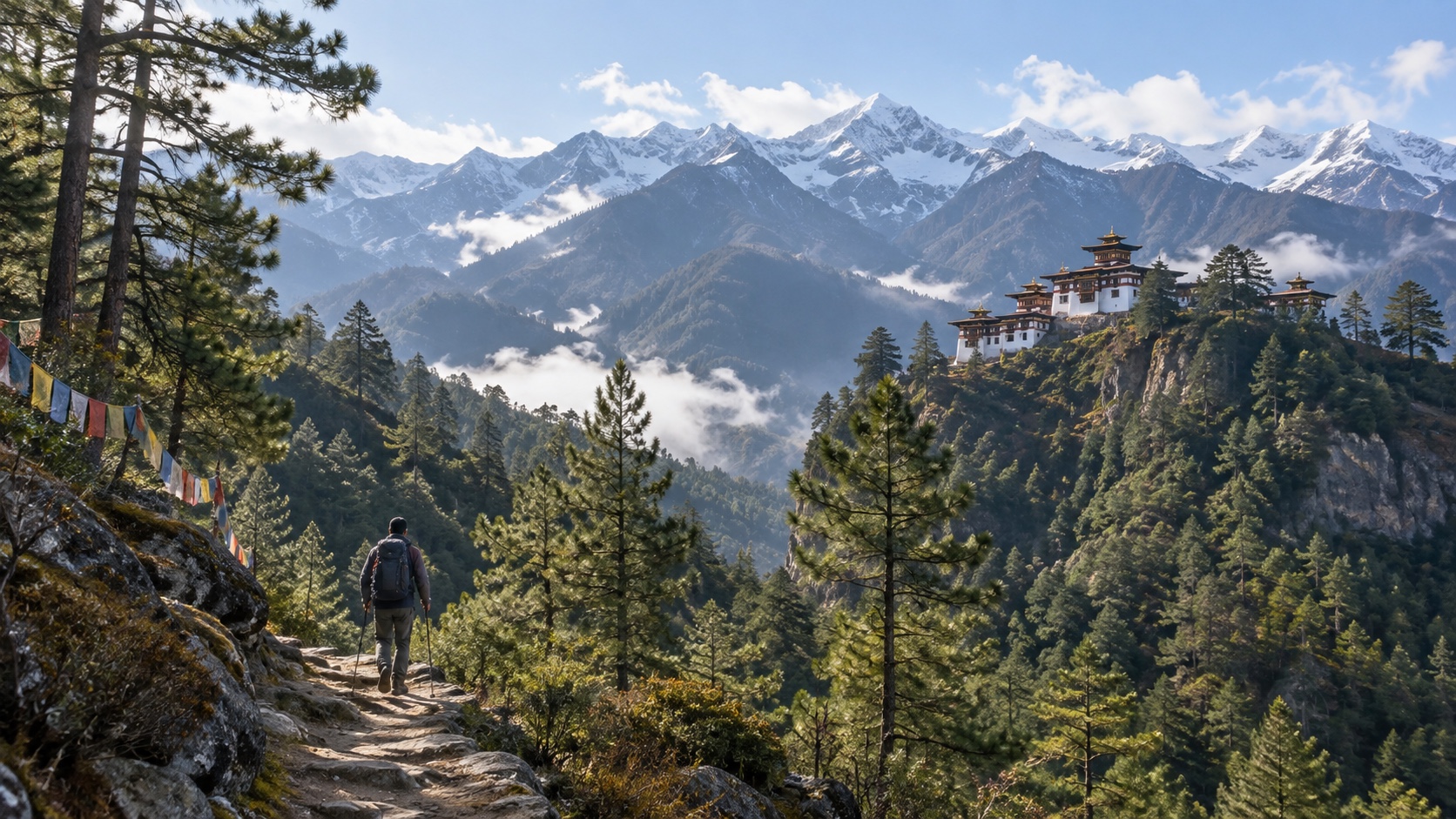
Best for: travelers willing to trade spontaneity for a structured trip through mountain landscapes and Buddhist cultural sites. Bhutan's visitor model makes planning part of the destination. The official Bhutan Travel visa page says most international visitors need a visa in advance and, as of our review, pay a Sustainable Development Fee of $100 per adult per day plus a $40 visa application fee. Children receive concessionary rates.
The fee does not automatically include hotels, meals, transportation, and a guide, so the old claim that one daily payment covers everything is obsolete. Independent visa applications are possible, although a tour operator or hotel can apply on your behalf. Altitude and winding road transfers also limit how much belongs in one itinerary. Bhutan ranks highly for travelers who value context and time over quantity; it is a poor choice for a cheap, improvised stopover. Confirm current fees and entry rules before booking.
4. Galápagos Islands, Ecuador: best for closely managed wildlife encounters
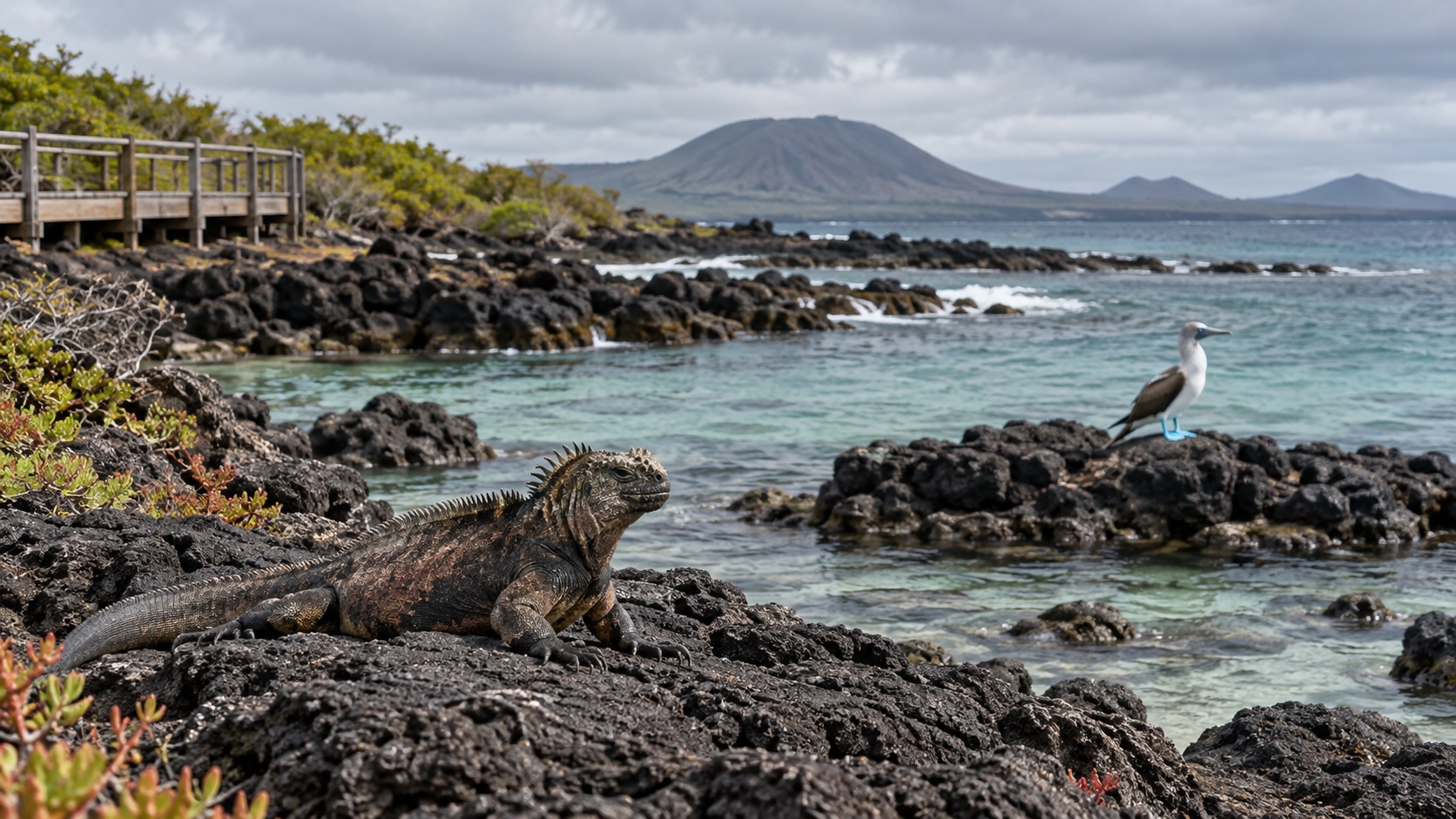
Best for: travelers whose priority is ecology rather than nightlife or resort variety. The archipelago's value comes from evolutionary isolation, volcanic landscapes, and animals that visitors must observe on the park's terms. You do not need to choose a cruise automatically: land-based stays can work well for inhabited islands, while a licensed vessel can reach more distant visitor sites. The right format depends on mobility, seasickness, budget, and which wildlife habitats matter most.
Conservation procedures are not optional extras. The Galápagos National Park arrival guidance tells travelers to follow biosecurity screening and rules on restricted organic products; current entry charges and transit-control requirements should be checked separately before departure. Stay on marked routes, keep the required distance from wildlife, and never feed or reposition an animal for a picture. The Galápagos would rank first for a naturalist, but cost, limited access, and strict logistics make it less versatile for a general trip.
5. Petra, Jordan: best for archaeology revealed on foot
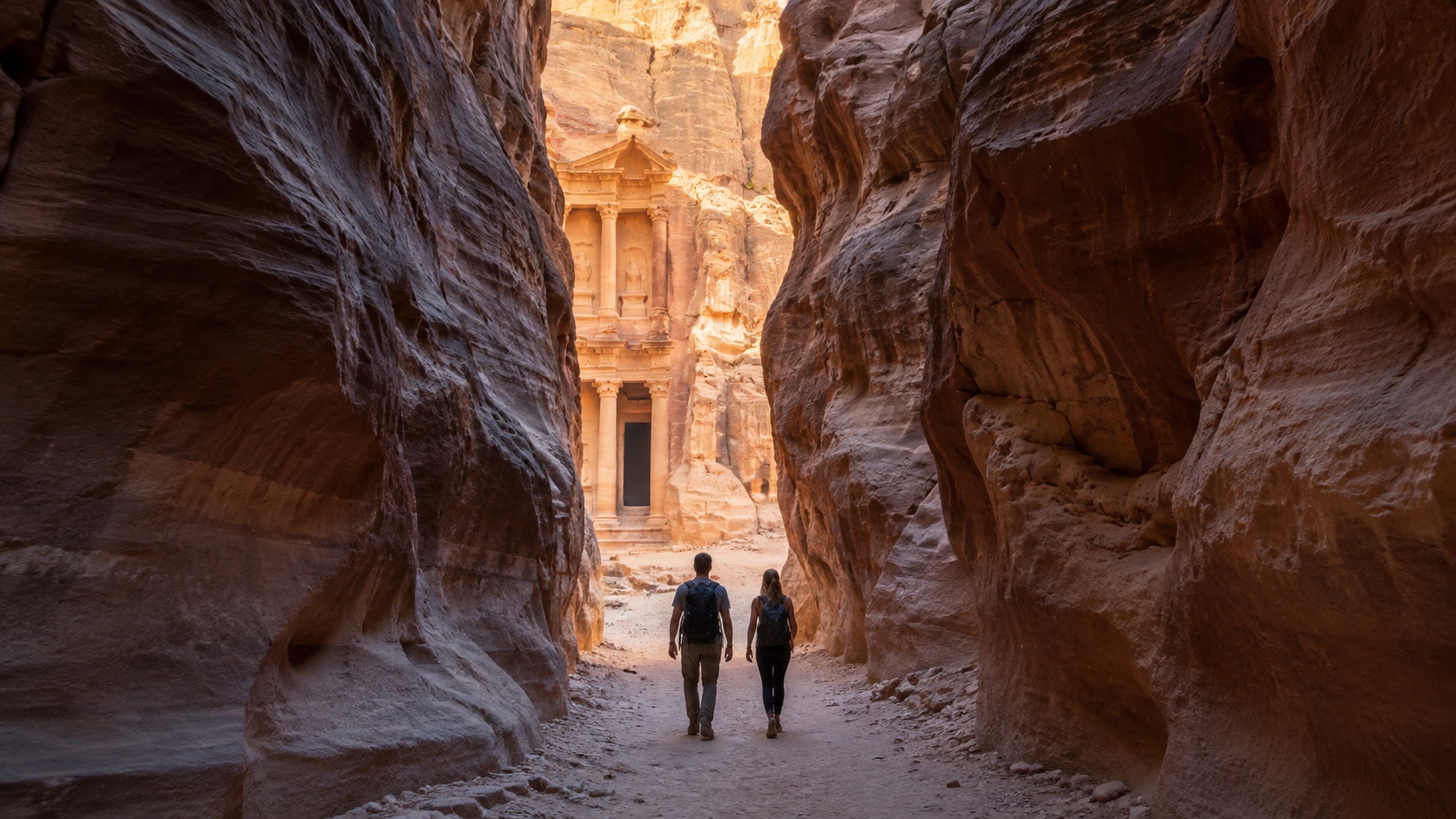
Best for: travelers who want the route into an ancient city to be part of the story. Petra is more than the Treasury facade familiar from movies. UNESCO describes the Nabataean caravan city as half-built and half-carved into rock, with passages, tombs, civic remains, and a water-management system that supported settlement in an arid landscape. Give it at least a full day; strong walkers will still have to choose among long climbs.
Heat, cold, dust, uneven ground, and steep steps can matter more than the distance shown on a map. Start early, carry water, and check official site hours. Animal rides raise welfare and safety questions, so walking is the clearest default when your mobility allows it; travelers who need assistance should research current options rather than accepting the first offer at the gate. Petra ranks below the Galápagos only because its signature routes are physically demanding, not because the archaeological experience is narrower.
6. Palawan, Philippines: best for limestone coasts and island time
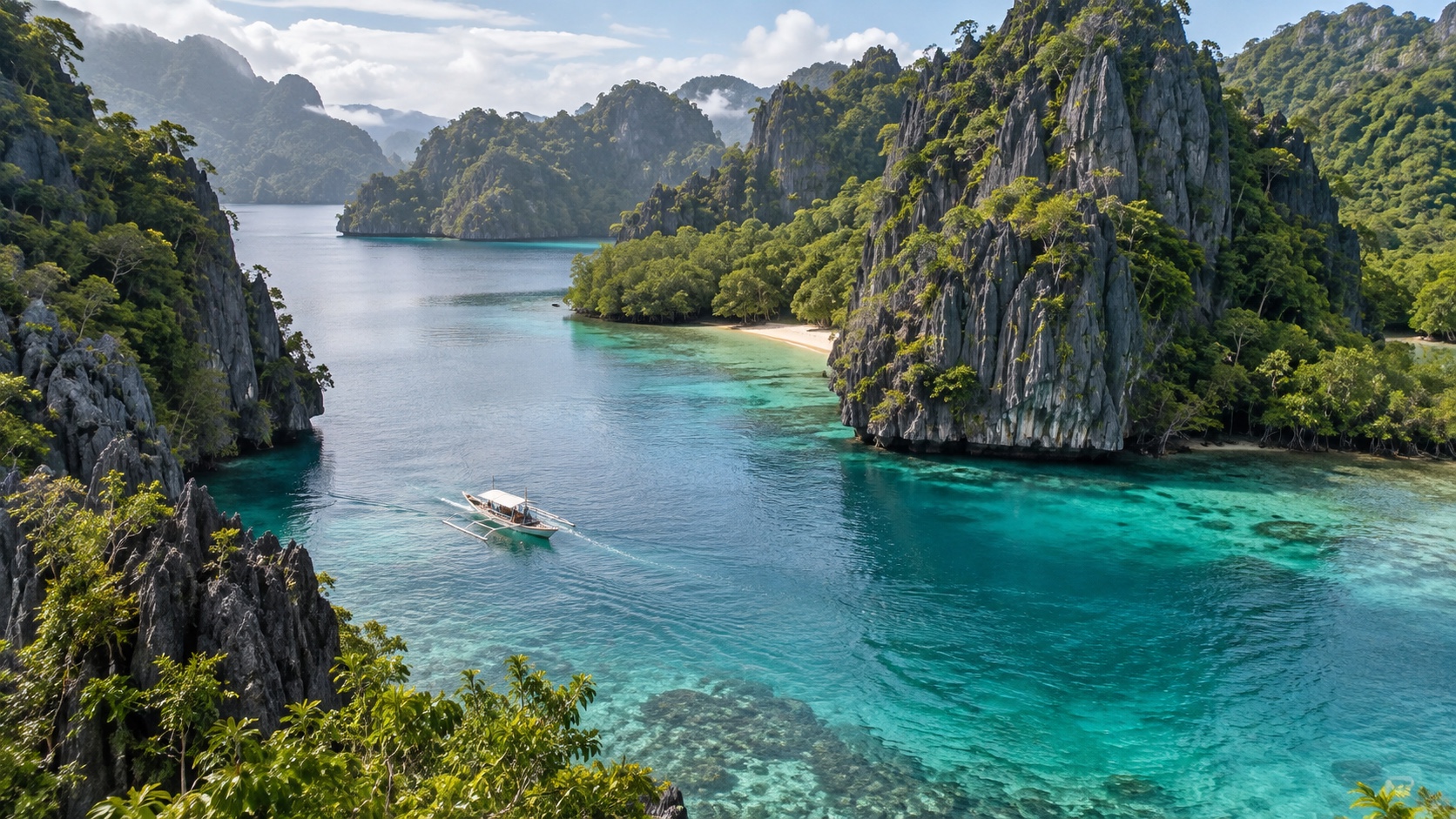
Best for: travelers who want sea kayaking, snorkeling, limestone scenery, and slower island transfers. “Palawan” covers a long province, not one beach. Puerto Princesa, El Nido, and Coron anchor different trips, and squeezing all three into a short visit can turn turquoise-water time into van, ferry, and airport time. Pick one or two bases according to whether your priority is the underground river, island-hopping, reefs, or wreck diving.
The Puerto-Princesa Subterranean River National Park protects a mountain-to-sea karst ecosystem whose underground river is influenced by tides. Access is managed, so permits and weather can shape the day. For boat trips, use a registered operator, wear the provided life jacket, and follow closures rather than pressuring a crew to sail. Palawan's water and cliffs are exceptional, but seasonal seas and transfer complexity keep it out of the top five.
7. Cappadocia, Türkiye: best for geology you can explore from several angles
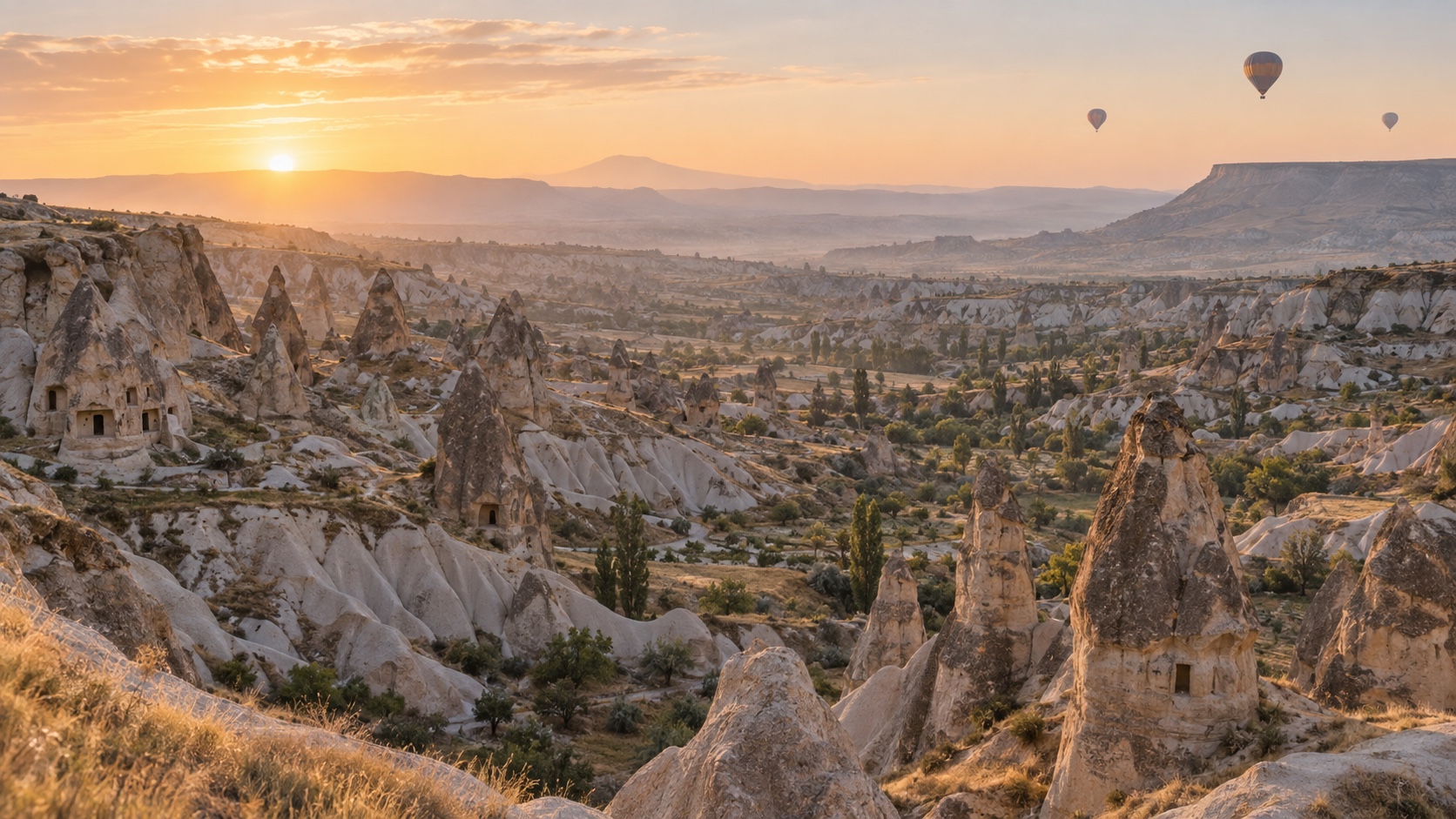
Best for: hikers and history-minded travelers who want landscape, cave architecture, and archaeology in one base. UNESCO's Göreme National Park and Rock Sites of Cappadocia combines erosion-sculpted hoodoos with rock-cut sanctuaries, settlements, and underground towns. The balloons are memorable, but they are not the reason the region matters—and a canceled flight does not ruin the trip.
Plan at least one valley walk, one carefully chosen rock-cut site, and time to understand how volcanic tuff made excavation possible. Balloon operations are weather-dependent; book with a licensed operator, expect safety cancellations, and never treat a refund policy as a flight guarantee. Underground spaces can be narrow and steep, so check accessibility before entering. Cappadocia ranks seventh because crowding around sunrise viewpoints can overwhelm the subtle history, but travelers who explore beyond the balloon scene may rank it much higher.
8. Madagascar: best for biodiversity with serious logistics
Best for: experienced travelers prepared for long road days, changing conditions, and guided wildlife viewing. Madagascar's wildlife is not simply “strange.” It reflects tens of millions of years of isolation, and much of it is threatened. UNESCO's Rainforests of the Atsinanana protect habitats with exceptional endemism, including threatened lemurs, while the country's dry forests support a completely different set of landscapes and species.
Choose a region around seasonal wildlife goals instead of attempting an island-wide highlights tour. Domestic transport and road conditions can change the schedule, and park visits are stronger with trained local guides who know animal behavior and trail rules. Do not handle wildlife, buy products made from protected species, or assume every close encounter is ethical. Madagascar sits lower because the planning margin is substantial; for a patient naturalist with enough time, that same complexity is part of its value.
9. Atacama Desert, Chile: best for desert geology and dark skies
Best for: travelers drawn to salt flats, high-altitude landscapes, and astronomy. San Pedro de Atacama is a practical base, but many headline excursions climb far above town. The region's dry air and high plateaus also support major observatories. ESO notes that the APEX telescope operates near 5,100 meters on the Chajnantor plateau because the thin, exceptionally dry atmosphere is valuable for submillimeter astronomy.
That does not mean every tourist stargazing site is at observatory altitude, or that rain is impossible. Acclimatize before the highest excursions, ask an operator for the maximum elevation, bring layers for cold nights, and discuss altitude risk with a clinician if you have relevant medical concerns. Moon phase changes the night-sky experience, while summer highland weather can affect roads and tours. Atacama ranks ninth because its most dramatic contrasts come with altitude and exposure that do not suit every traveler.
10. Zanzibar, Tanzania: best for a coast-and-history pairing
Best for: travelers who want an Indian Ocean beach stay with a substantial urban history. Zanzibar is an archipelago; Stone Town lies on Unguja, the main island. UNESCO calls the Stone Town of Zanzibar an outstanding Swahili trading town shaped by African, Arab, Indian, and European influences. Its carved doors, coral-stone buildings, markets, religious sites, and difficult history of enslavement deserve more than a hurried transfer to a resort.
Spend time with a qualified guide who can connect architecture to trade and explain the former slave-market sites without turning suffering into spectacle. Outside town, tides strongly affect some beaches and water activities, so a beachfront photo does not tell you how the shore works throughout the day. Dress with awareness of local norms away from resort compounds and ask before photographing residents. Zanzibar completes the list because it offers an unusually rich two-part trip, though travelers focused purely on wildlife or archaeology have stronger choices above.
How to choose the right destination
Start with the constraint most likely to change your enjoyment. Choose Marrakech for a compact urban immersion, Bali for breadth, Bhutan for a planned slow journey, the Galápagos or Madagascar for wildlife, Petra for archaeology, Palawan or Zanzibar for coast, Cappadocia for walkable geology and history, and Atacama for high-desert landscapes. Then price the complete route—not just the flight—including permits, guides, internal transfers, insurance, and weather buffers.
Responsible travel is practical, not performative: stay on marked trails, respect active places of worship, avoid wildlife contact, and spend enough time in each base to reduce rushed transfers. If your trip planning is centered on treatment rather than leisure, use our separate guide to medical tourism destinations in Southeast Asia; its safety and provider-verification questions are different from the criteria used here.
Frequently asked questions
Which destination is best for a first big international trip?
Bali offers the broadest mix of culture, food, coastline, and inland scenery, with many choices of pace and accommodation. It still requires careful transport planning and respect for temple and village life.
Which destination is best for wildlife?
The Galápagos is the clearest choice for accessible, tightly managed wildlife viewing. Madagascar offers greater regional variety and endemism but usually requires more time, longer transfers, and flexible logistics.
Are these destinations safe year-round?
No destination has one permanent safety or access answer. Weather, regional events, health conditions, closures, and entry rules change. Review official local guidance and the current U.S. State Department advisory shortly before booking and again before departure.