10 Must-Read Books of All Time


A short list of must-read books should open doors, not pretend to settle the literary canon. This preserved editorial sequence moves from Tolstoy's intertwined private lives to Hawthorne's study of public shame. It favors novels whose cultural influence, thematic depth, historical range, and continuing value give modern readers a clear reason to engage with them.
This is an editorial ranking, not an objective verdict on the ten greatest books ever written. The order from the original article remains intact. Each entry explains what the novel does especially well, who is most likely to appreciate it, and what may make it difficult. Translation choices can also change the experience of the four books first published outside English, so sample more than one translation when the prose feels needlessly remote.
1. Anna Karenina by Leo Tolstoy
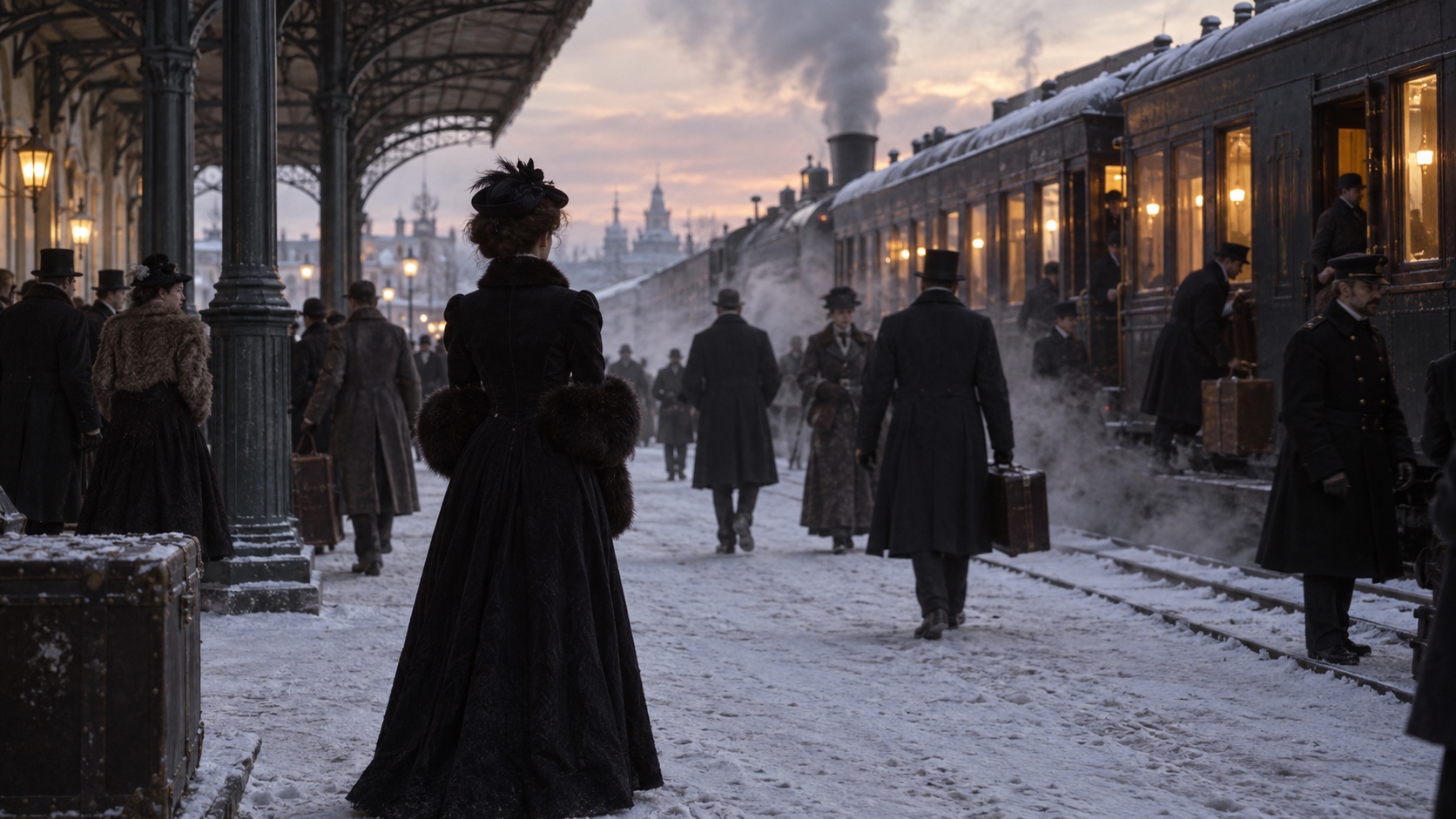
Best for: readers who want a large social novel in which intimate decisions carry public consequences. Anna Karenina places Anna's affair and isolation beside Konstantin Levin's search for meaningful work, family life, and faith. That parallel construction keeps the book from becoming a single cautionary tale: Tolstoy tests several ideas of love and fulfillment against the rules of imperial Russian society.
The British Library describes the novel through Anna's relationship with Vronsky and the social pressure surrounding her, while its English-language collection also makes a practical point: readers meet Tolstoy through a translator's sentences. The cast is wide, the Russian names have multiple forms, and the book addresses suicide. A character list and a translation you enjoy will do more than rushing through its length.
2. Madame Bovary by Gustave Flaubert
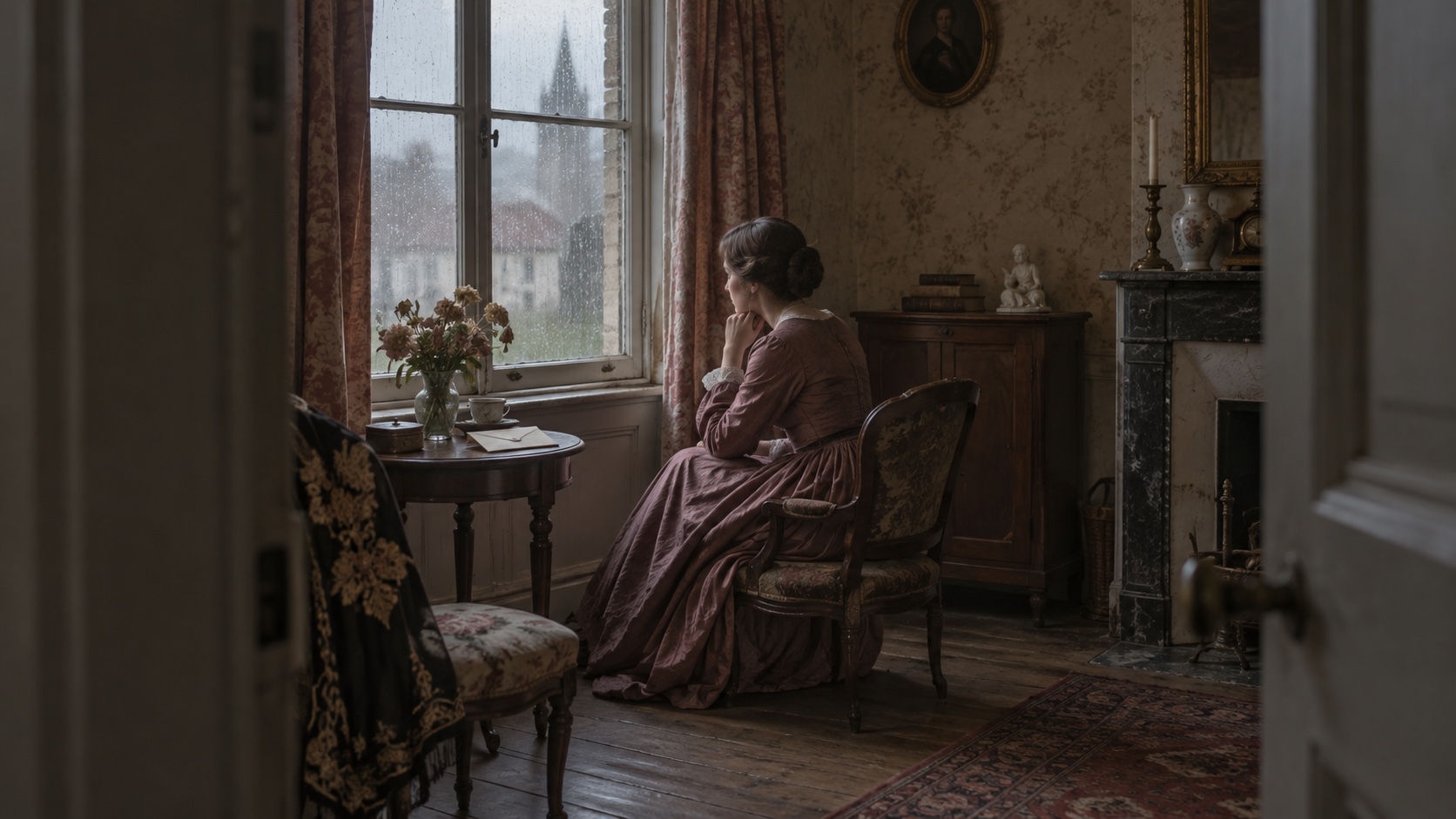
Best for: readers interested in style, self-deception, and the gap between fantasy and ordinary life. Emma Bovary consumes romantic ideals, becomes dissatisfied with provincial marriage, and pursues excitement through affairs and spending. Flaubert's close attention to objects, gestures, and clichés makes the reader notice how language itself helps Emma misread her world.
The Bibliothèque nationale de France's collective catalog records Flaubert's notebooks, preparatory files, and final manuscripts, useful evidence of how deliberately the novel was made. That craftsmanship is the reason to read it, not an invitation to treat Emma's suffering as entertainment. The book includes infidelity, financial exploitation, suicide, and a society quick to judge a woman while profiting from her mistakes.
3. War and Peace by Leo Tolstoy
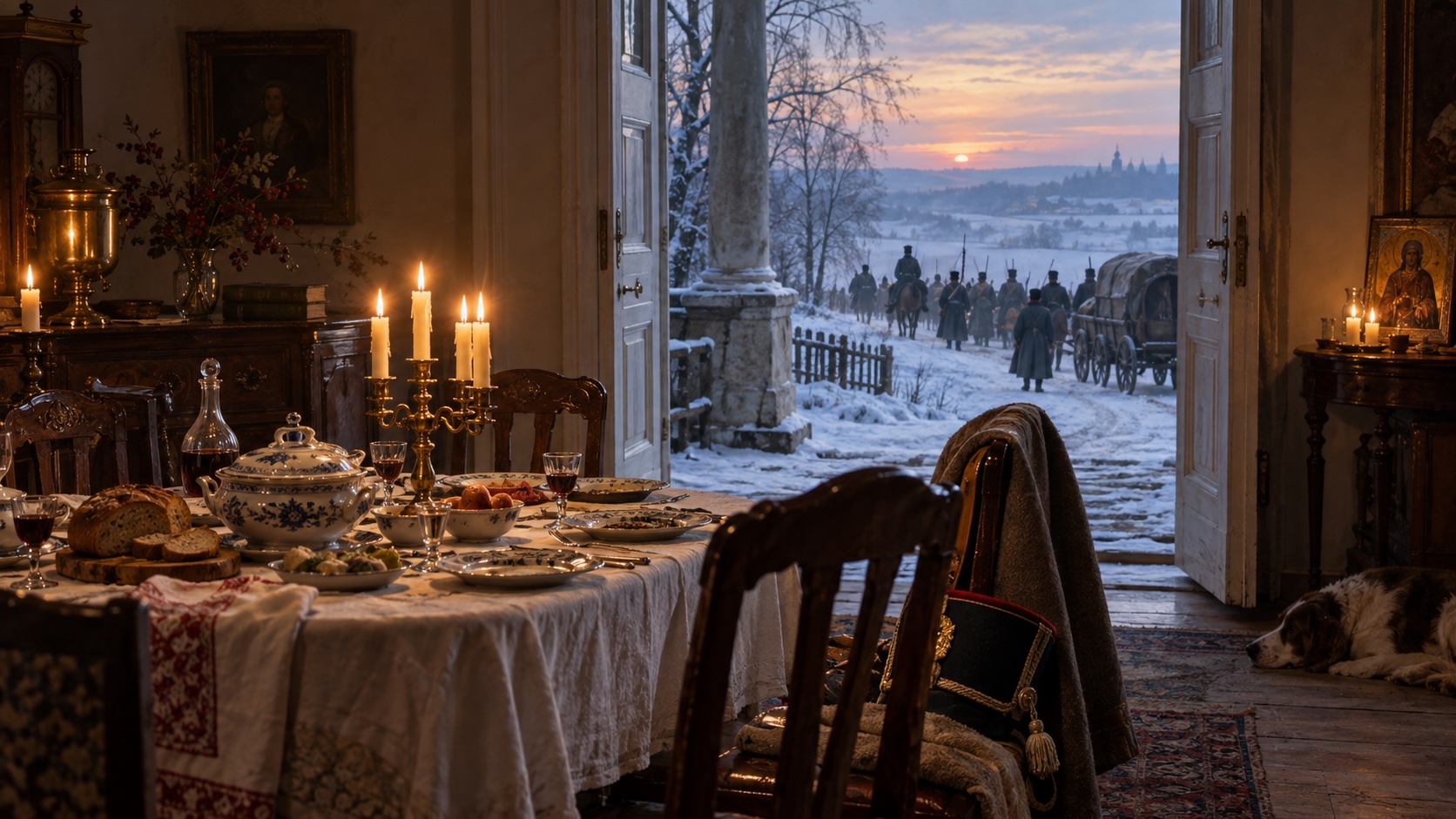
Best for: patient readers who want private lives, political history, and philosophical argument in one book. The novel follows Pierre Bezukhov, Andrei Bolkonsky, Natasha Rostova, and several families as Napoleon's wars reshape their choices. Battles matter, but so do dinners, dances, illnesses, marriages, and the quiet revisions people make to their ideas of happiness.
The State Museum of Leo Tolstoy's digital edition notes that Tolstoy visited the Borodino battlefield while working on the novel's account of the battle. That research did not turn the book into a simple military chronicle; Tolstoy repeatedly questions the idea that one “great man” controls history. The main obstacle is scale. Use a family tree, accept that some historical essays interrupt the plot, and read in steady sections rather than treating the novel as an endurance stunt.
4. The Great Gatsby by F. Scott Fitzgerald
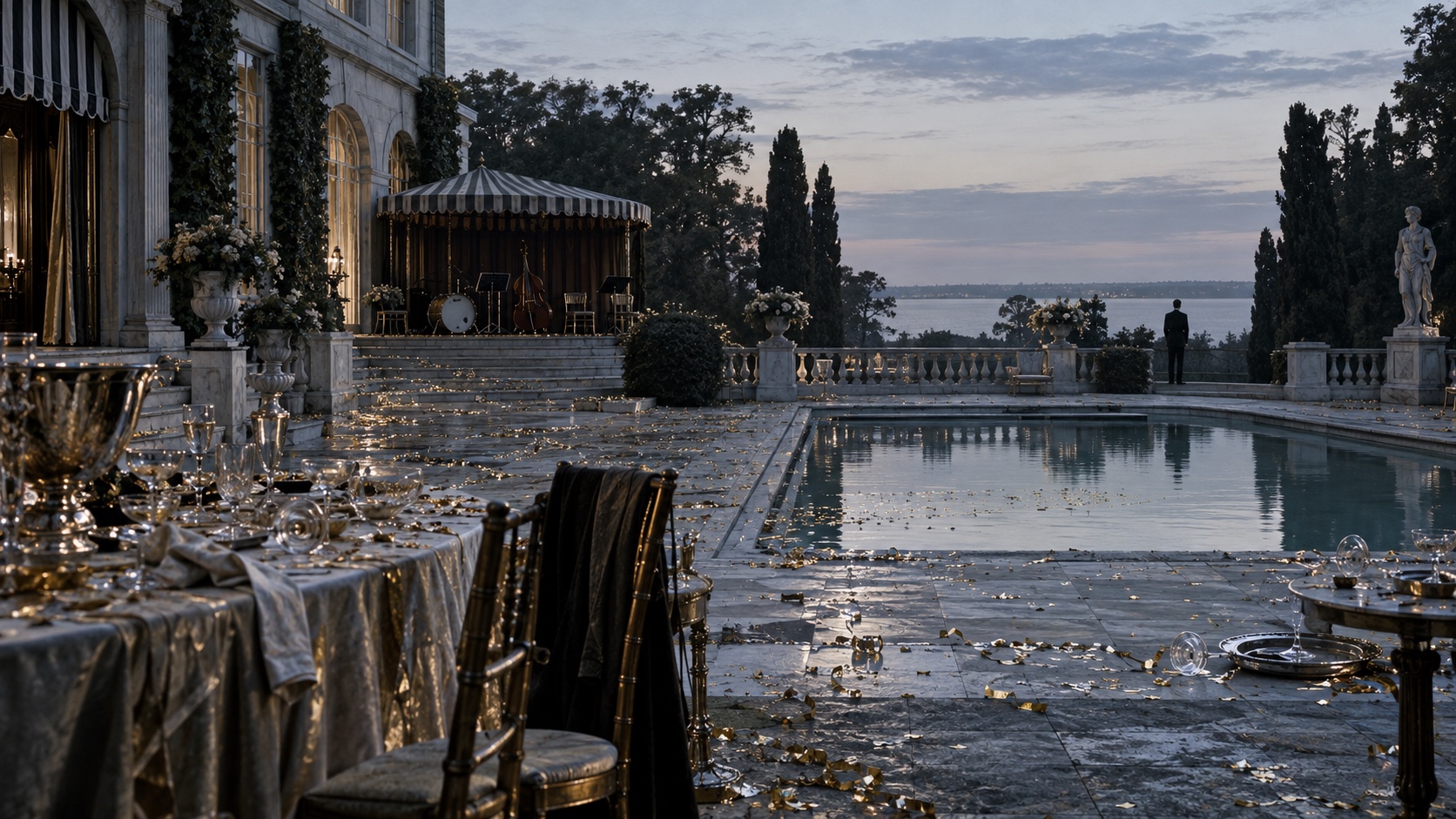
Best for: readers who want a compact novel with an unreliable observer, memorable symbols, and a sharp argument about reinvention. Nick Carraway narrates Jay Gatsby's effort to recover a past with Daisy Buchanan, but Nick is not a neutral camera. His attraction to wealth and his judgments about other characters shape what readers see.
The Library of Congress's America Reads exhibition frames the 1925 novel around class, wealth, social status, ambition, and the promise of new beginnings. Those ideas remain more useful than reducing the story to “money can't buy happiness.” The book is short, but its racial and antisemitic language reflects prejudices in its setting and narration. Read that language critically rather than treating every sentence as Fitzgerald's endorsement.
5. Lolita by Vladimir Nabokov

Best for: experienced readers studying how beautiful language can be used to manipulate an audience. Humbert Humbert is an unreliable narrator who tries to turn his sexual abuse of a child, Dolores Haze, into a story centered on his taste and suffering. The critical task is to notice what his performance conceals: Dolores's fear, loss, confinement, and limited choices.
The Library of Congress finding aid for the Vladimir Nabokov Papers dates the first Paris publication to 1955 and records manuscript materials connected to the novel. A separate Library of Congress study of its publication history notes that Nabokov opposed putting a girl on the cover. That boundary matters. This is not a romance, and it is not suitable for every reader; the book contains child sexual abuse, coercive control, and a narrator who repeatedly minimizes harm.
6. The Catcher in the Rye by J. D. Salinger
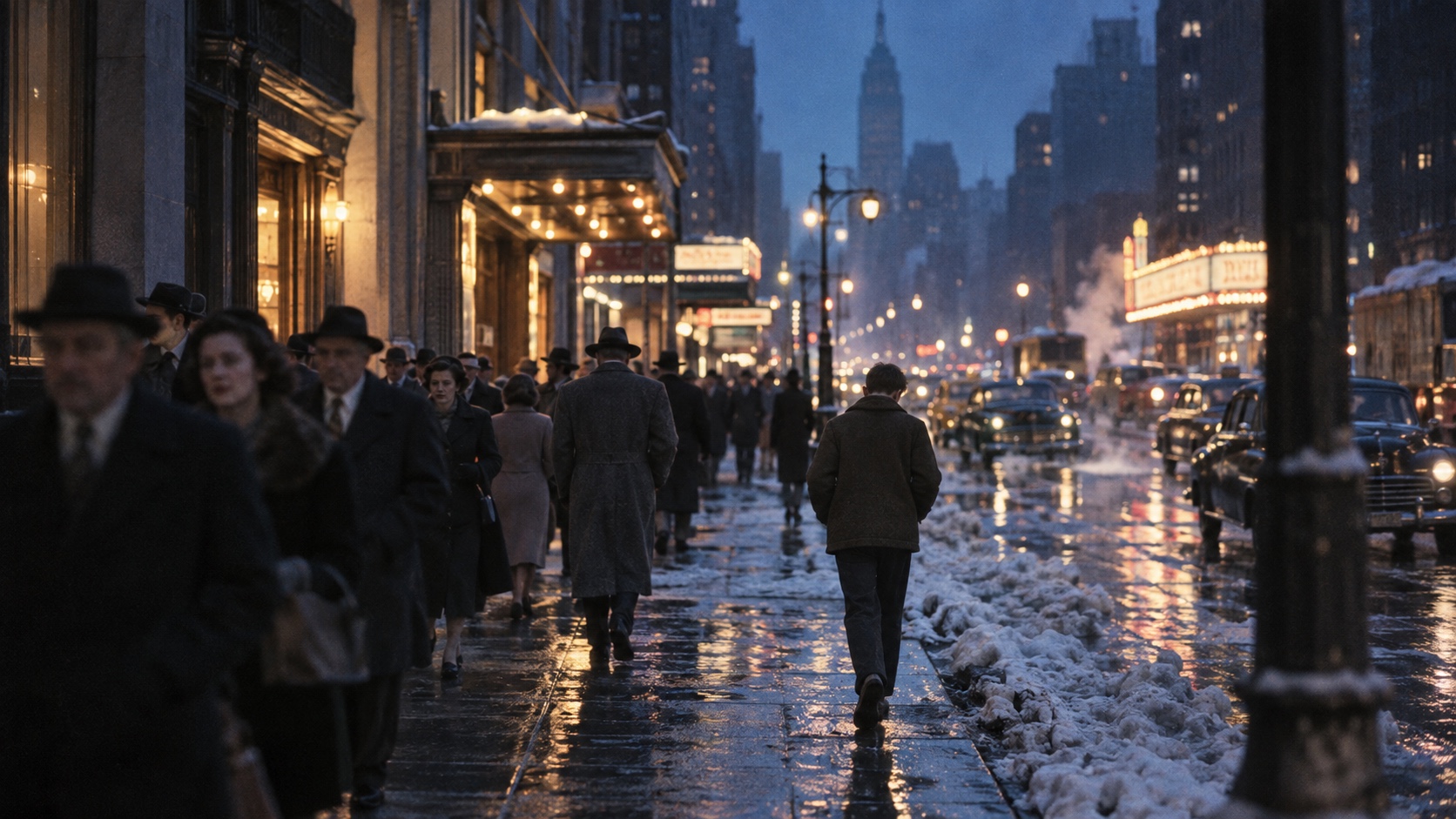
Best for: readers willing to listen closely to a distressed teenager whose judgments are defensive as often as they are perceptive. After being expelled from school, sixteen-year-old Holden Caulfield spends several days moving through New York, attacking “phoniness” while avoiding the grief and fear beneath his performance.
The Library of Congress's America Reads exhibition identifies adolescent rebellion and disillusionment as central to Holden's influence. The novel's importance does not require agreeing with him. His sexist, homophobic, and prejudiced language, along with references to suicide and sexual exploitation, can be abrasive. Read his voice as characterization: the repetitions, contradictions, and sudden tenderness reveal a young person reaching for connection while insisting that he does not need it.
7. Great Expectations by Charles Dickens

Best for: readers who like a first-person coming-of-age story with mystery, social comedy, and moral revision. Pip mistakes money and gentility for personal worth, grows ashamed of the people who cared for him, and slowly learns how badly he has interpreted his “expectations.” Dickens builds that lesson through memorable settings: the marshes, the forge, London, and Miss Havisham's stopped household.
The Charles Dickens Museum connects the opening landscape to Cooling churchyard and the Kent marsh country Dickens knew. That physical grounding helps balance the novel's coincidences and Gothic effects. The caveat is the serial rhythm: comic side characters and reversals can feel expansive to readers accustomed to compressed contemporary fiction. Let the social world accumulate instead of reading only for the benefactor reveal.
8. Lord of the Flies by William Golding

Best for: readers who want a brief allegorical novel that invites argument rather than offering a neutral experiment. A group of British schoolboys stranded on an island try to organize rescue, rules, and shared work. Fear, status competition, and violence fracture that effort, turning the conch, signal fire, and imagined “beast” into competing symbols of authority and panic.
Nobel Prize records that Golding began the novel after World War II and published it in 1954; the Nobel educational material also calls its interpretation contestable rather than singular. That is the right approach. The island is a constructed moral argument, not proof that children inevitably become savage without adults. The book includes bullying, racialized language, cruelty to animals, and the violent deaths of children.
9. The Handmaid's Tale by Margaret Atwood
Best for: readers interested in how authoritarian systems control language, reproduction, memory, and complicity. Offred narrates life in Gilead, a theocratic regime that classifies women by function and forces Handmaids into reproductive servitude. Her restricted viewpoint preserves uncertainty: survival depends on reading small gestures while never knowing the whole system.
The publisher's academic page describes Gilead as a former United States organized around repressive religious rule and declining fertility. The novel's power comes from mechanisms, not predictions: rights are removed, records rewritten, and people encouraged to police one another. It contains sexual violence, execution, suicide, forced pregnancy, and racist authoritarian history. Readers should also keep the 1985 novel separate from later screen adaptations and its sequel, The Testaments.
10. The Scarlet Letter by Nathaniel Hawthorne
Best for: readers interested in public punishment, private guilt, and the unstable meaning of symbols. In Puritan New England, Hester Prynne is forced to wear the scarlet “A” after bearing a child outside her marriage. Her punishment is visible, while the child's father protects his position and Hester's estranged husband turns secrecy into revenge.
The Library of Congress's Books That Shaped America exhibition places the 1850 novel within American romanticism and identifies guilt, sin, and concealed responsibility as central concerns. Hawthorne's long sentences and allegorical method can feel distant, and the opening “Custom-House” essay delays the main narrative. Readers who want the story first can treat that frame as context, then return to it after seeing how the letter's meaning changes.
Where should you start?
Choose The Great Gatsby for the shortest path into the list, Great Expectations for plot and character growth, or Anna Karenina for a broad social world. Pick War and Peace when you want a long project, The Handmaid's Tale for political dystopia, and Lolita only when you are prepared to read against a manipulative narrator. “Must-read” should mean worth understanding, not mandatory for every person at every moment.
These novels have also generated many screen versions, but an adaptation makes its own argument. Our ranking of Mila Kunis movies explains how performance changes the meaning of a role, while our guide to Netflix original movies offers a more contemporary viewing list. Neither substitutes for the books; both are useful reminders to judge an adaptation on what it chooses to transform.
Sources and verification
Book identity, publication context, themes, and archival claims were checked on September 21, 2026 against the British Library, Bibliothèque nationale de France, State Museum of Leo Tolstoy, Library of Congress, Charles Dickens Museum, Nobel Prize, Margaret Atwood's official site, and the current publisher page for The Handmaid's Tale. Interpretive verdicts and reading recommendations are editorial judgments, not claims of universal critical consensus.